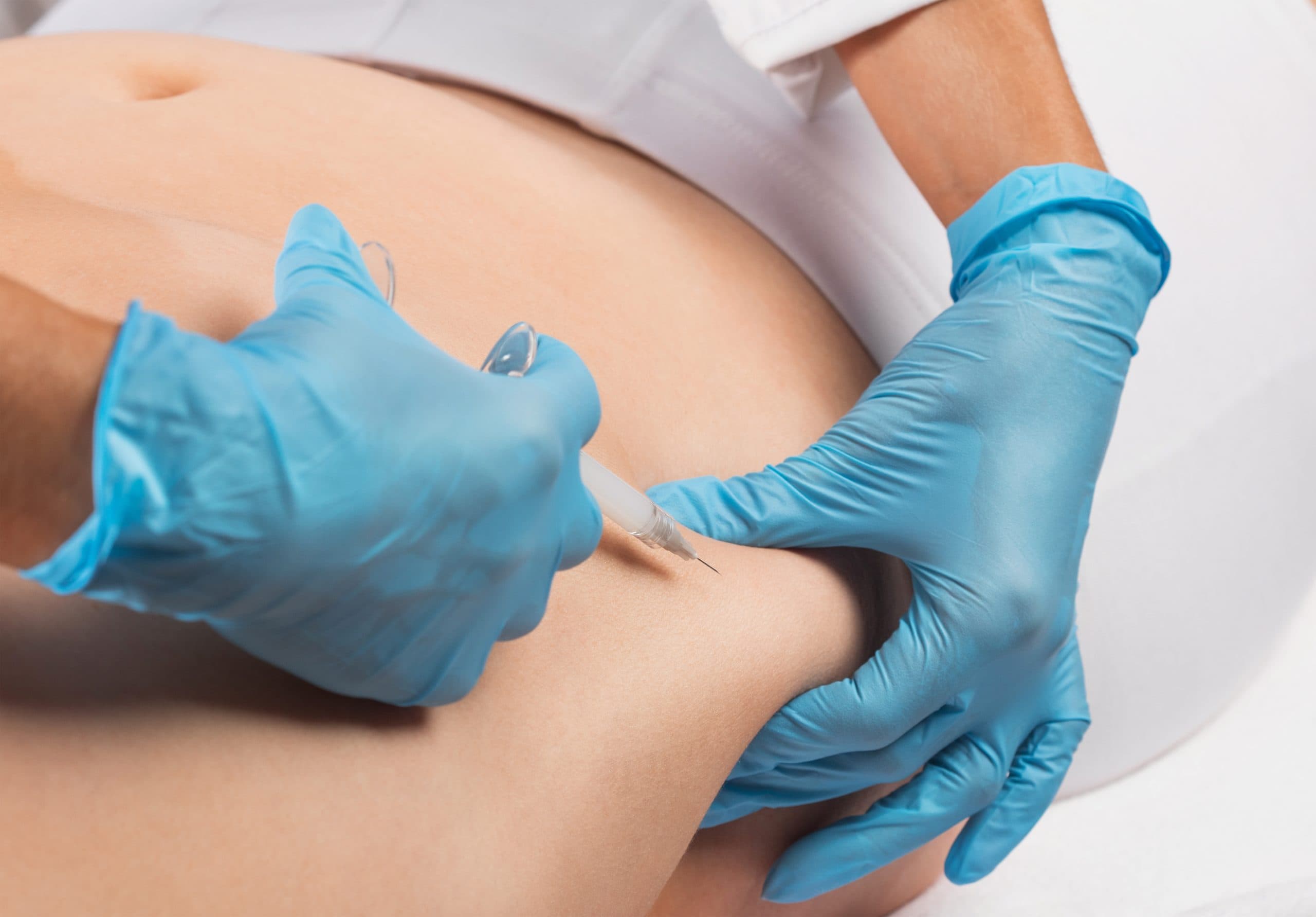
Blue-gloved clinician injecting thigh area

nFat Regenerative Therapy

From £5,800
View Price List

Guide price only. Final cost is confirmed after assessment.

nFat, or nano Fat, represents a breakthrough in regenerative medicine, offering a potent and targeted approach to treating osteoarthritis and other conditions. At London Cartilage Clinic, our nFat therapy uses finely processed adipose tissue, broken down into nano-scale particles to maximise surface area and regenerative potential.

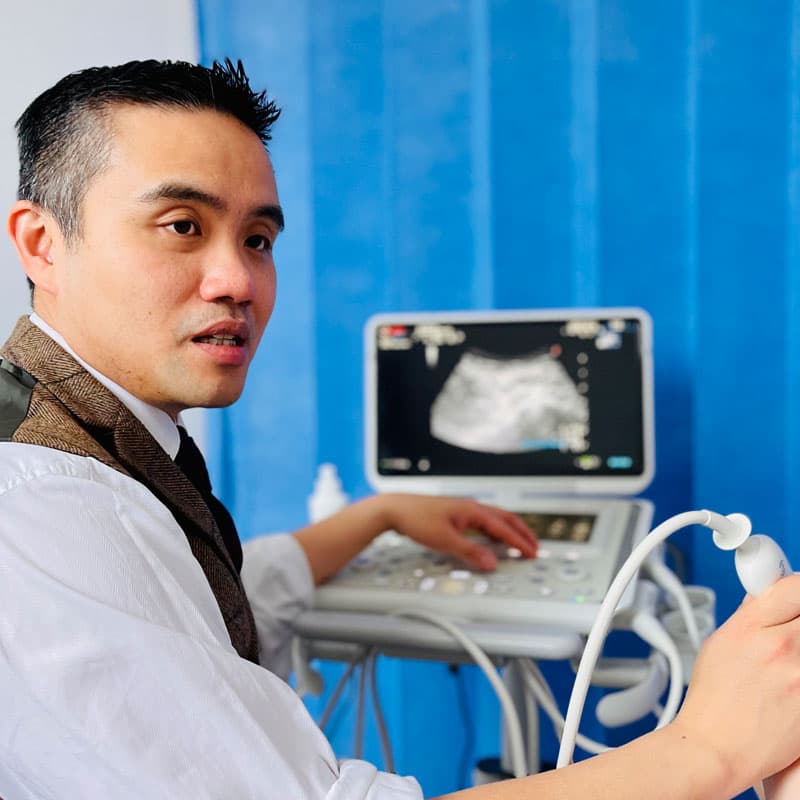
Doctor operating ultrasound console in treatment room

The science behind nFat targeted regenerative care

nFat is processed into very fine adipose-derived particles, creating a high-surface-area biological product designed for intensive cellular signalling.

  • Rich in regenerative cell populations and anti-inflammatory mediators.
  • Useful when focused, high-potency biological support is required.
  • Commonly applied in osteoarthritis and selected cartilage-related conditions.

Because nFat is highly refined and shorter-lived than other fat formats, it is typically prepared and delivered fresh for best effect.

nFat vs mFat key clinical differences

Both options are autologous adipose-based therapies, but they are processed differently and may suit different treatment goals.

  • Particle size: nFat is more finely processed than mFat, enabling broader micro-distribution.
  • Potency profile: nFat is often chosen for higher-intensity biological signalling.
  • Duration: nFat generally has a shorter persistence, while mFat may provide longer biological presence.
  • Selection: choice depends on pathology, tissue targets, and your treatment timeline.

At consultation, we assess imaging, symptoms, and prior treatment response to select the most appropriate fat-based regenerative strategy.


Doctor examining knee in white clinic room
consulting-in-office-with-pen

Frequently Asked Questions

How Does nFat Differ from Other Fat Therapies Like uFat and mFat?

While all these therapies utilise micro-fragmented adipose tissue, nFat is processed into even smaller pieces, providing a greater surface area for interaction and a more potent therapeutic effect, albeit with a shorter duration of efficacy.

What Are the Primary Applications of nFat Therapy?

nFat is primarily used in the treatment of osteoarthritis, offering relief from joint pain, aiding in cartilage repair, and improving overall joint function.

Is nFat Therapy Long-Lasting?

Due to its fine structure, nFat has a shorter half-life compared to other fat therapies, and is typically used in fresh preparations for optimal effectiveness.

Still have more specific concerns?

Free Discovery Call

London Cartilage Clinic

Latest Insights

Clinical updates, cartilage treatment guidance, and recovery-focused articles from our specialist team.

How Turf Toe Can Lead to Labrum Tear Complications
John Davies

How Turf Toe Can Lead to Labrum Tear Complications

Turf toe, an injury to the big toe's ligaments from hyperextension, is common in athletes and can lead to altered gait patterns. This compensation increases stress on other joints, notably the hips and shoulders, raising the risk of labrum tears—damage to the cartilage stabilizing these ball-and-socket joints. Proper diagnosis using physical exams and imaging, along with multidisciplinary treatment approaches including rest, physiotherapy, and occasionally surgery, are essential for recovery. Understanding the biomechanical link between turf toe and labrum tears highlights the importance of a whole-body rehabilitation strategy to prevent secondary injuries and support long-term athletic performance.

Low Impact Exercises for Maintaining Knee Cartilage Health
John Davies

Low Impact Exercises for Maintaining Knee Cartilage Health

Preserve knee cartilage health with expert-recommended low-impact exercises that minimize joint strain while enhancing strength and flexibility. Activities like cycling, swimming, elliptical training, and targeted strength routines support smooth, pain-free knee movement. Guidance from orthopaedic specialists, such as Professor Paul Lee at the London Cartilage Clinic, emphasizes proper technique, gradual intensity, and personalized care to prevent further cartilage damage. Prioritize gentle warm-ups, supportive footwear, and attentive progression to maintain knee mobility and comfort effectively.

The Hidden Anatomy of the Knee and Its Links to Chronic Pain
John Davies

The Hidden Anatomy of the Knee and Its Links to Chronic Pain

Explore the intricate anatomy of the knee and discover how its complex structures contribute to chronic knee pain. This comprehensive guide highlights key components like ligaments, menisci, cartilage, and lesser-known tissues such as the infrapatellar fat pad and bursae. Understand common causes of persistent pain, risk factors including repetitive stress and aging, and early symptoms to watch for. Learn why chronic knee pain often involves a mix of structural damage and nerve sensitivity, emphasizing the importance of early diagnosis and treatment. Ideal for patients and healthcare professionals, this article provides vital insights for maintaining healthy, pain-free knees.