








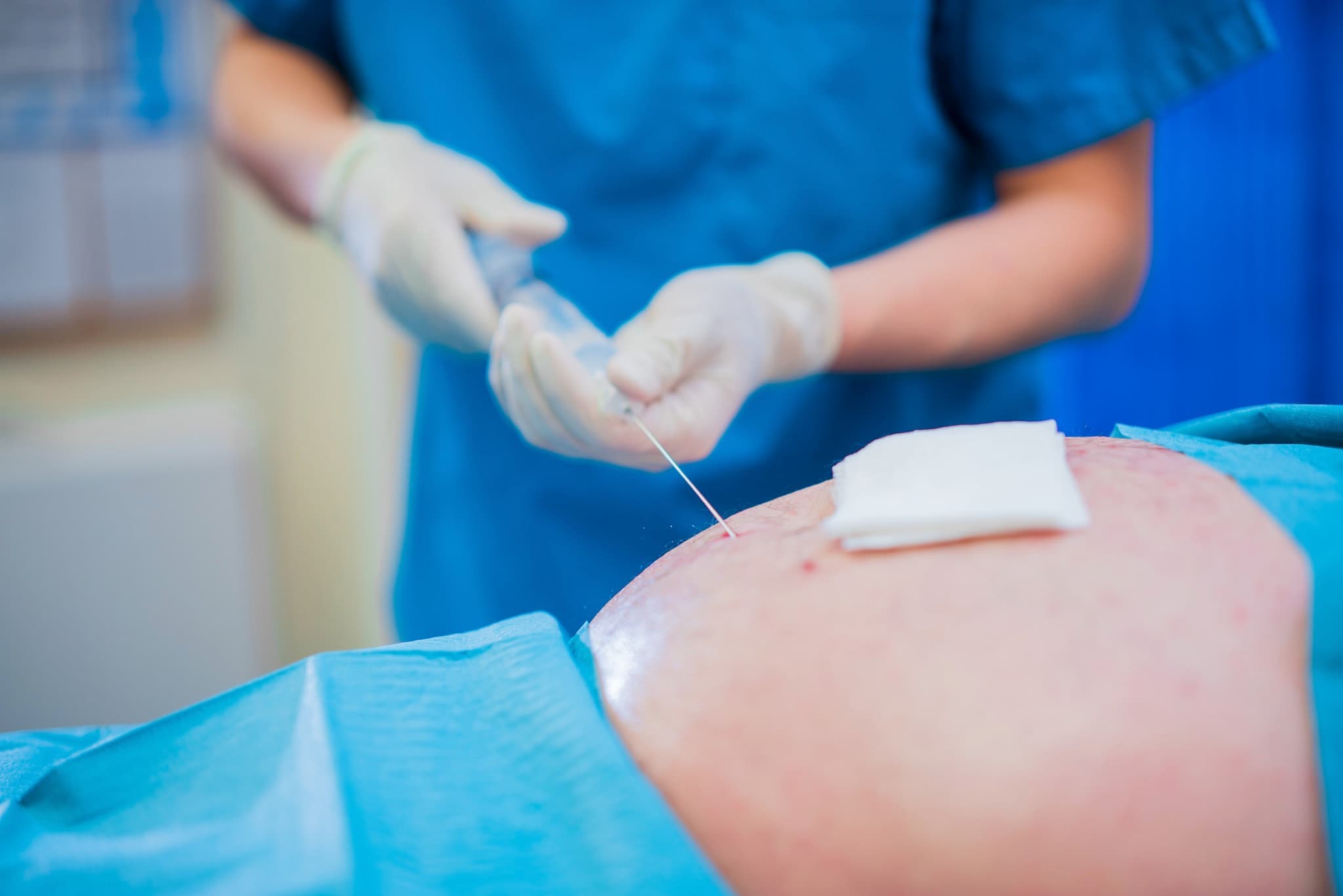



Sterile setup for knee injection preparation

Monovisc Injection

From £1,200
View Price List

Guide price only. Final cost is confirmed after assessment.

Monovisc Injection represents a significant advancement in treating osteoarthritis knee pain. This innovative, single-shot hyaluronic acid treatment at London Cartilage Clinic offers patients a simple yet effective solution for managing knee pain associated with osteoarthritis. With its unique formulation and proven effectiveness, Monovisc Injection stands out as a preferred choice for those seeking relief from joint discomfort.

Physiotherapist examining patient's knee on couch

Understanding Monovisc single-injection HA therapy

Monovisc is a highly purified hyaluronic acid viscosupplement designed to mimic the knee’s natural lubrication and cushioning properties.

  • Supports smoother motion in osteoarthritic joints.
  • May reduce pain and stiffness with a single treatment session.
  • Biocompatible formulation with broad clinical use in knee OA care.

It is commonly considered for patients who have persistent symptoms despite first-line conservative management.

Benefits of Monovisc at London Cartilage Clinic

Monovisc offers a convenient, single-injection pathway for knee osteoarthritis symptom control with minimal disruption to routine life.

  • Fewer clinic visits compared with multi-injection regimens.
  • Potential for medium-term pain and mobility improvement.
  • Can be repeated at clinically appropriate intervals.

At London Cartilage Clinic, ultrasound-guided technique and specialist follow-up are used to optimise treatment precision and track your functional response.

Blue-gloved hands preparing injection syringe
consulting-in-office-with-pen

Frequently Asked Questions

How long does Monovisc Injection take to work?

The onset of pain relief with Monovisc Injection varies, but many patients report a noticeable improvement in knee pain within a few weeks after the injection.

Is Monovisc Injection suitable for everyone?

Monovisc Injection is ideal for patients with knee osteoarthritis who haven’t found relief with traditional treatments. However, it’s important to consult with our specialists to determine if it’s the right option for you.

Are there any side effects of Monovisc Injection?

Monovisc Injection is generally well-tolerated, but like any medical treatment, it may have side effects. Our clinic ensures a thorough assessment to minimize any risks.

How is Monovisc administered?

A trained specialist uses a single injection to administer Monovisc. This is known as viscosupplementation. During the procedure, the patient will either be lying down or sitting, and a local anaesthetic may be used. The injected area is cleaned and bandaged after the Monovisc has been administered.

How does Monovisc help with osteoarthritis knee pain?

The Monovisc injection contains ultra-pure hyaluronic acid, which can be found in the synovial fluid of the knee joint. This gel-like substance lubricates the joint, helping prevent damage and discomfort that might lead to pain. By allowing the bones of the joint to move more freely, Monovisc injections also help delay the onset of osteoarthritis.

How long should I wait between injections?

Most patients will be able to go for a repeat procedure after six months. However, this may not be true depending on your situation. If your osteoarthritis is deemed to be too advanced, then your surgeon may advise knee replacement surgery.

Still have more specific concerns?

Free Discovery Call

London Cartilage Clinic

Latest Insights

Clinical updates, cartilage treatment guidance, and recovery-focused articles from our specialist team.

Non-Surgical Recovery Strategies for Torn Shoulder Labrum to Regain Strength and Mobility
Eleanor Hayes

Non-Surgical Recovery Strategies for Torn Shoulder Labrum to Regain Strength and Mobility

A torn shoulder labrum, a common injury affecting the cartilage ring stabilizing the shoulder joint, often causes pain and limited movement. Non-surgical recovery focuses on physiotherapy, targeted exercises, and lifestyle modifications to strengthen muscles and restore mobility. Accurate diagnosis, including clinical tests and imaging despite limitations, guides effective treatment. Expert-led rehabilitation, personalized to individual needs, promotes healing while minimizing risks associated with surgery such as capsulitis. Key exercises target range of motion, scapular stability, and rotator cuff strength, supported by evidence showing significant improvements in mobility and pain reduction. Persistent symptoms may warrant surgical evaluation. This comprehensive guide emphasizes realistic expectations and professional support for optimizing non-surgical recovery outcomes in torn shoulder labrum cases.

Hidden Risks and Complications of Knee Cartilage Gel Injections
Eleanor Hayes

Hidden Risks and Complications of Knee Cartilage Gel Injections

Knee cartilage gel injections, including hyaluronic acid-based viscosupplementation and synthetic gels like Arthrosamid, help relieve pain and improve joint function in cartilage damage and osteoarthritis. While generally safe, mild side effects such as temporary pain and swelling can occur. Rare but serious complications like infections and allergic reactions require prompt medical attention. Ensuring patient safety involves experienced clinicians, thorough screening, sterile techniques, and clear aftercare guidance. Research supports the safety and efficacy of collagen gels like ChondroFiller, though more studies are needed for long-term outcomes. Patients should consult qualified professionals to understand treatment options, risks, and benefits for informed decision-making.

Partial ACL Tear Recovery Timelines and Outcomes
Eleanor Hayes

Partial ACL Tear Recovery Timelines and Outcomes

Discover comprehensive insights on partial ACL tear recovery, including diagnosis, treatment options, and rehabilitation timelines. Learn how conservative management and surgery influence healing duration, with physiotherapy playing a crucial role. Expert care from specialists like Professor Paul Lee at the London Cartilage Clinic ensures personalized treatment plans to promote safe recovery and prevent complications. Understand when to seek medical advice and how adherence to rehabilitation protocols improves long-term outcomes. This guide provides essential information for patients and healthcare providers aiming for effective knee injury management and optimal return to activity.

Privacy & Cookies Policy