
















minimalist-runner-on-sandstone-slope

Meniscus

Get industry leading private treatments for damage to the meniscus that seek to repair, save, and protect knee meniscus, as supplied by London Cartilage Clinic.

Meniscus repair illustration

Meniscus repair

Surgery to repair the meniscus is a low risk procedure that historically results in very little complications. An arthroscope is used to complete precise trimming and repair of the meniscus with minimal invasion. Despite this excellence, our rates are in line with the average private meniscus knee surgery cost uk.

Learn More
Partial meniscus repair illustration

Partial meniscus repair

The London Cartilage Clinic can complete partial meniscus removal surgery to strike a balance between achieving the best results and avoiding. This process seeks to remove as little of the damaged cartilage as possible and instead manipulate the meniscus to facilitate healing.

Learn More
Meniscus scaffold regeneration illustration

Meniscus scaffold regeneration

We have developed an artificial support scaffold that can be used to allow for the regeneration of the meniscus. This is typically employed to treat patients who have suffered larger tears to the meniscus and subsequently had parts of the cartilage removed.

Learn More
Meniscus cartilage replacement illustration

Meniscus cartilage replacement

Cartilage replacement, either with biological or specialised synthetic material for those with extensive meniscus damage. This treatment delays the onset of arthritis by reducing contact pressure, while also helping restore structural knee support.

Learn More
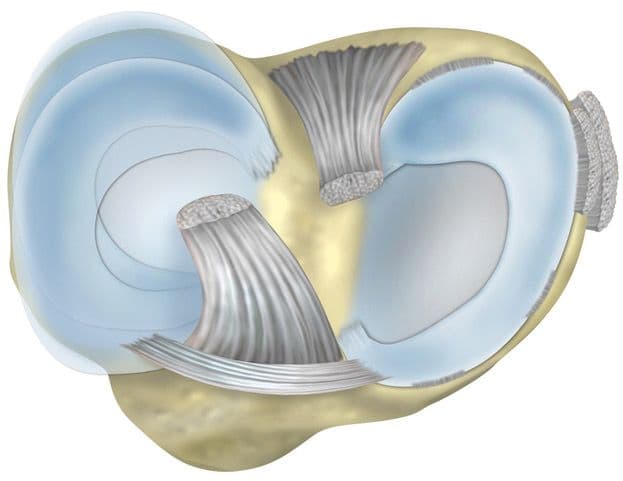
Anatomical illustration of the knee joint meniscus structure

What is meniscus?

Meniscus is a type of hard cartilage present in the knee joint that functions as a shock absorber. Each knee contains two C-shaped menisci, the lateral meniscus and the medial meniscus. Both are positioned to cushion the area where the thigh bones and shin bones meet. A meniscus tear is a serious injury as it prevents the individual from moving their knee in the ways they are used to.

Symptoms of a meniscus tear

A tear in the meniscus typically occurs when the upper leg twists while the foot remains planted. A torn meniscus is therefore a common injury among athletes and sports players. Symptoms can include:

  • Localised swelling and stiffness.
  • Pain that increases with rotational movement.
  • Difficulty fully extending the knee.
  • A popping sensation in the knee.
  • Feeling as though the knee is locked in place when you try to move it.
Athlete stretching outdoors with focus on knee discomfort
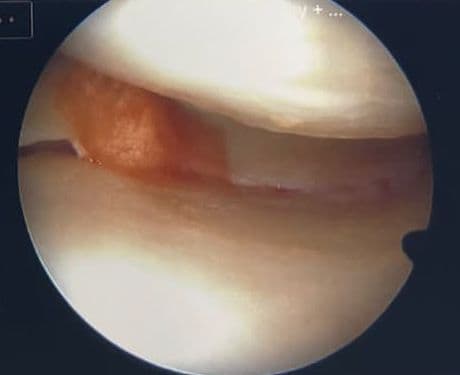
Arthroscopy close-up showing interior of the knee joint

Treatment options for meniscus tear

With modern technology and techniques, there are many treatments options for a torn meniscus which can be explored before knee meniscus surgery. Resting the affected knee and applying ice packs can help relieve the pain, along with various pain relief medication. You may also be asked to complete regular exercises designed to strengthen the muscles surrounding the knee. However, meniscus tear treatments will vary depending on a variety of factors. This includes age, medical history, severity of the injury, and more.

How can London Cartilage Clinic help?

As our name suggests, we specialise in treatments designed to restore the cartilage and protect its important role within our bodies. Our medical experts possess the knowledge and training required to complete meniscus tear surgery with minimal risk. By leveraging an in-depth understanding of human anatomy, our experts can provide treatments and advice in many disciplinary areas.

Specialist meniscus treatment planning and surgical expertise
consulting-in-office-with-pen

Frequently Asked Questions

Can a torn meniscus heal without surgery?

Some smaller tears may settle with rest, rehabilitation, and targeted non-surgical care. However, this depends on tear location, stability, symptoms, and your activity goals. A specialist assessment helps determine whether conservative treatment is enough or if surgery is the safer long-term option.

How long does recovery from meniscus treatment take?

Recovery time varies by treatment type and tear severity. Non-surgical treatment may improve symptoms within weeks, while surgical recovery can take longer with staged rehabilitation. Your surgeon will provide a personalised timeline based on your knee condition, age, and return-to-sport or work goals.

When should I seek specialist care for knee pain after twisting injury?

Seek specialist review if pain, swelling, locking, or difficulty straightening the knee lasts more than a few days, or if the knee feels unstable. Early diagnosis can help protect remaining meniscal tissue and reduce the risk of ongoing joint damage.

Still have more specific concerns?

Free Discovery Call

London Cartilage Clinic

Latest Insights

Clinical updates, cartilage treatment guidance, and recovery-focused articles from our specialist team.

Nutrition Strategies for Strengthening Knee Cartilage
John Davies

Nutrition Strategies for Strengthening Knee Cartilage

Discover how nutrition supports knee cartilage health, as explained by Professor Paul Lee of the London Cartilage Clinic. Learn which foods—like fatty fish, turmeric, and vitamin C-rich fruits—can strengthen cartilage and reduce inflammation. Avoid processed sugars and trans fats that harm joints. Practical meal tips help incorporate these nutrients into daily life. While diet aids joint comfort and resilience, it works best combined with exercise and medical advice. Embrace balanced eating and expert guidance for healthier, more comfortable knees.

ChondroFiller Minimally Invasive Cartilage Repair Benefits and Patient Suitability
John Davies

ChondroFiller Minimally Invasive Cartilage Repair Benefits and Patient Suitability

ChondroFiller is a minimally invasive, keyhole surgery technique that repairs cartilage damage by injecting a collagen gel directly into the affected area. Suitable for patients with small to medium cartilage lesions, it promotes natural cartilage regeneration with less pain and faster recovery compared to traditional surgeries. The procedure involves arthroscopic guidance for precise gel placement, minimizing tissue damage and complications. Clinical studies report high patient satisfaction, improved joint function, and lasting benefits. Recovery typically includes tailored rehabilitation with reduced pain and a quicker return to activity. ChondroFiller offers a safe, effective alternative for cartilage repair, emphasizing simplicity and rapid healing. Consultation with healthcare professionals is essential to determine candidacy and ensure optimal outcomes.

The Link Between Segond Fracture and ACL Tears in Diagnosis and Treatment
John Davies

The Link Between Segond Fracture and ACL Tears in Diagnosis and Treatment

Explore the critical connection between Segond fractures and anterior cruciate ligament (ACL) tears, common yet often intertwined knee injuries especially among athletes. This article highlights how the Segond fracture—a small tibial bone break—serves as a key indicator of ACL damage. Advances in MRI and CT imaging aid in early and accurate diagnosis, leading to more comprehensive treatment strategies that address both bone and ligament injuries. Understanding this relationship improves patient outcomes, enhancing knee stability and function. Future research aims to refine detection and develop minimally invasive surgical techniques, helping patients recover faster and return to active lifestyles confidently.