








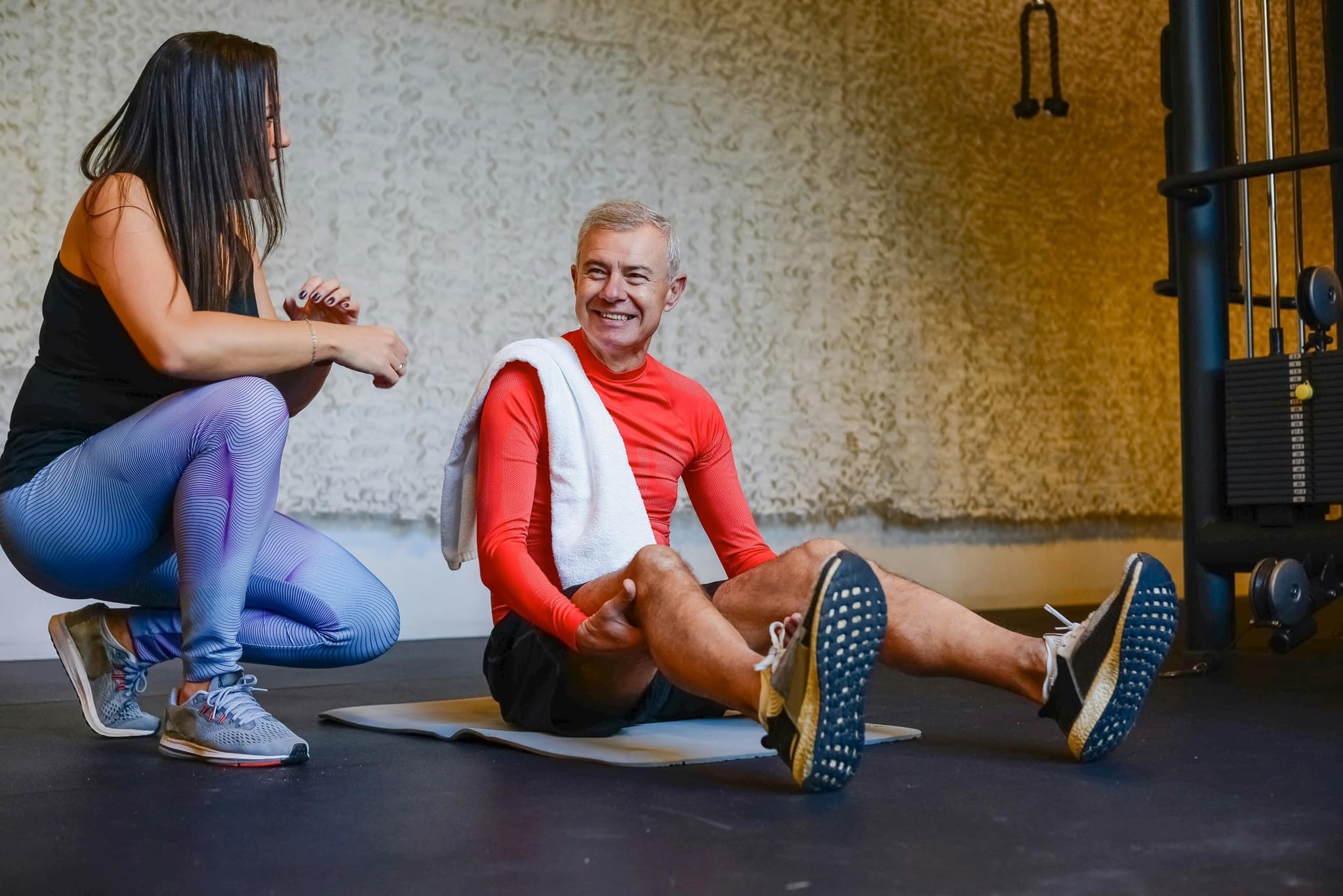
Post-injection instructions · not the surgical pathway
ChondroFiller® aftercare after an injection: no brace, no crutches, back on your feet
There are two ways ChondroFiller is given, and two different aftercare pathways. This is the one for the ultrasound-guided injection, week by week. The arthroscopic surgery pathway you may have found online does not apply to you.
 Reviewed byProfessor Paul Lee MBBch, FRCS (Tr & Orth), PhDCartilage and joint preservation expertise
Quick answer
After a ChondroFiller injection there is no brace and no crutches, unless your medical team specifies otherwise. You walk out of the clinic. Keep the first three days quiet, aim for about half your usual joint activity in weeks one and two, then build back towards normal in stages over weeks three to six. Mild soreness, swelling or stiffness is normal early on. The clinical team calls you at six weeks, free, and an MRI at 12 months checks the repair.
The ChondroFiller aftercare leaflet, as given with your clinic letter
One page covering the treated joint, the injection site, activity week by week and when to contact the clinic. Personalised instructions in your clinic letter take priority over the leaflet and this page.
Two ways of giving ChondroFiller, two aftercare pathways
ChondroFiller aftercare: injection versus arthroscopic surgery
ChondroFiller can be implanted during arthroscopic (keyhole) surgery or placed by ultrasound-guided injection. Most of what Google returns for ChondroFiller aftercare describes the surgical pathway: a brace, staged weight-bearing and months before sport. The injection pathway used at London Cartilage Clinic is different, and far less onerous. Here are the two side by side.
| What you hadChondroFiller injection | What Google showsArthroscopic ChondroFiller surgery | |
|---|---|---|
| Anaesthetic | Local anaesthetic, awake, outpatient | General or spinal anaesthetic in theatre |
| Brace | None | Joint held still in a brace for 48 hours |
| Crutches and weight-bearing | Not required unless your medical team specifies otherwise. Walking from day one, quiet first three days | Weight rebuilt gradually over about 6 to 8 weeks |
| Going home | Same hour, on your own feet | Same day or overnight stay, depending on the surgery |
| Normal activity | About half by weeks 1 to 2, built back over weeks 3 to 6 | Staged over months per the manufacturer tables |
| High-load sport | Rebuilt in stages from week 3, as advised | Six months or later per manufacturer tables |
Surgical column from the manufacturer's rehabilitation guidance for arthroscopic implantation (Meidrix Biomedicals, 2022). Injection column from the London Cartilage Clinic aftercare leaflet. Your clinic letter takes precedence over this page.
Recovery by phase
What to do, and when
Treatment day
Walk out, go home, put your feet up
The injection takes 30 to 45 minutes under local anaesthetic and ultrasound guidance. You leave on your own feet with no brace and no crutches. The anaesthetic wears off after about six hours; mild soreness, swelling or stiffness after that is normal.
Next day
Care for the injection site
Remove the dressing the following day. Keep the site clean and dry and avoid soaking it in a bath, pool or hot tub for 48 hours. Some swelling, tenderness, bruising or a little spotting on the dressing is expected. No massage or deep heat on the joint for a week.
Days 1 to 3
Be as lazy as possible
Light, necessary activity only. Ice for 10 to 15 minutes several times a day, through a cloth. Walking aids such as crutches are not required unless your medical team specifies otherwise: you walk, you just do not do much of it.
Weeks 1 to 2
About half your usual joint activity
The integration phase, as the gel settles into the defect. For a treated knee, short light walks are fine. Avoid long walks, impact activity and targeted exercises for the treated joint.
Weeks 3 to 6
Return towards normal, in stages
The repair phase begins as your own cells move into the gel. Increase duration, distance and intensity step by step, adding gentle strengthening as advised. If inflammation, stiffness or clicking rises with activity, reduce briefly and build back more slowly. Free telephone review at six weeks.
Six weeks · free
Telephone review with the clinical team to assess your activity levels and advise on next steps.
Twelve months
MRI to assess cartilage regeneration and joint condition, reviewed at a follow-up with Professor Lee. Formal follow-ups in between are arranged as required.
Do
What the leaflet asks of you
- Walk from day one. No crutches, no brace, no walking aids, unless your medical team specifies otherwise
- Keep the first three days quiet: light, necessary activity only
- Ice for 10 to 15 minutes several times a day through a cloth, and elevate
- Use the pain relief discussed with the clinical team if needed
- Take the dressing off the next day and keep the site clean and dry
- Short, light walks on a treated knee from the first week
Avoid
For now, not for ever
- Soaking the injection site in a bath, pool or hot tub for the first 48 hours
- Massage or deep heat on the joint for the first week
- Long walks, impact activity and targeted exercises for the joint in weeks one and two
- Pushing through a flare. If symptoms rise with activity, drop back briefly and rebuild
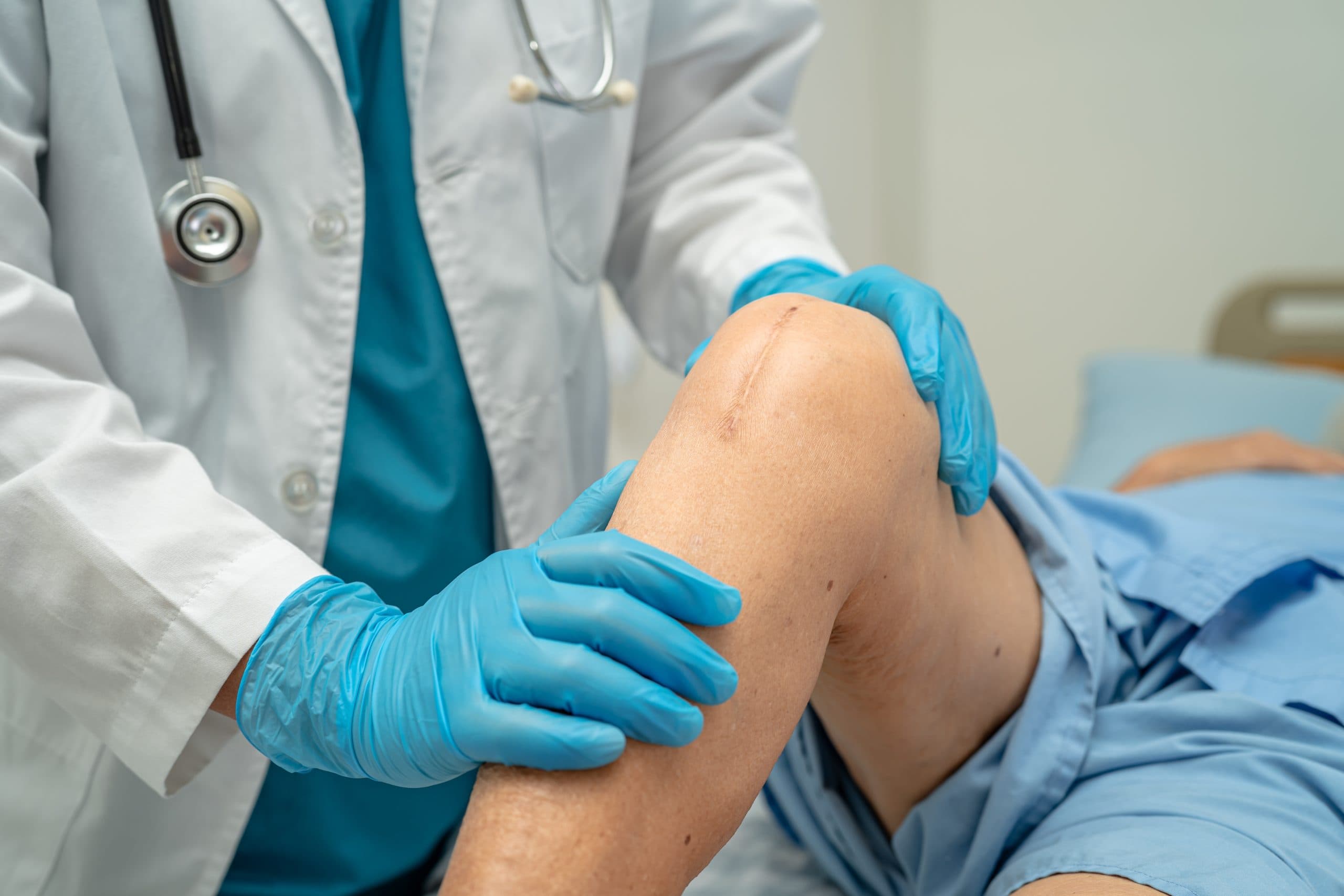
Expected, or a reason to call?
When to contact the clinic
Expected symptoms should gradually settle: mild soreness, swelling or stiffness in the joint, and swelling, tenderness, bruising or a little spotting at the injection site. A temporary rise in discomfort, stiffness or clicking as you increase activity from week three is also common. Reduce activity briefly and build back more slowly.
Contact the clinic if pain, swelling or redness in the joint becomes severely limiting, if bleeding or discharge from the injection site continues, if you develop a fever, or if you have any concerns at all.
66 Harley Street, London W1G 7HD · 0330 043 2571 · [email protected]
ChondroFiller aftercare questions
Do I need a brace after a ChondroFiller® injection?
No. After the ultrasound-guided ChondroFiller injection at London Cartilage Clinic there is no brace, splint or orthosis. The 48-hour brace you may have read about belongs to the keyhole surgical implantation of ChondroFiller, which is a different procedure.
Do I need crutches or to keep weight off the joint?
No. The clinic aftercare leaflet states that walking aids or supports, such as crutches or a brace, are not required unless specified by the clinical team. You leave the clinic on your own feet. The first three days are deliberately quiet, with light, necessary activity only, but that is rest by choice, not a weight-bearing restriction.
What should the first few days feel like?
The local anaesthetic wears off after about six hours. Mild soreness, swelling or stiffness in the joint is normal, as is swelling, tenderness, bruising or a little spotting on the dressing at the injection site. Ice for 10 to 15 minutes through a cloth several times a day, elevate, and use the pain relief discussed with the clinical team if needed.
When can I go back to work?
The leaflet asks for a quiet first three days with light, necessary activity only. Desk work that fits inside that is reasonable once you are comfortable. Work that loads the treated joint, such as kneeling, climbing, lifting or long periods on your feet, waits for the gradual return from week three onwards. Your clinic letter may set a different plan.
When can I exercise again?
Weeks one and two: aim for about half your usual activity involving the joint. For a treated knee, short light walks are fine; long walks, impact activity and targeted leg exercises are not. Weeks three to six: increase duration, distance and intensity in stages, adding gentle strengthening as advised. A temporary flare of discomfort, stiffness or clicking as activity rises is common; ease back briefly and build again more slowly.
Can I drive after the injection?
Not on the day: the local anaesthetic lasts around six hours and the first three days are meant to be quiet. After that, drive once you can get in and out of the car, control it fully and make an emergency stop without pain limiting you. Check any insurer requirements that apply to you.
When will the cartilage actually repair?
Two phases. Integration, in the first two weeks, as the ChondroFiller gel settles into the defect. Repair, from week three onwards, as your own cells move into the gel and new cartilage tissue builds over many months. That is why improvement is gradual rather than immediate, and why the 12-month MRI matters.
What follow-up is included?
A free telephone review with the clinical team at six weeks to assess your activity levels and advise on next steps, and an MRI at 12 months to assess cartilage regeneration and joint condition, reviewed at a follow-up with Professor Lee. Formal follow-ups with Professor Lee are arranged in between as required.
Is ChondroFiller aftercare the same for the injection and the surgery?
No. The manufacturer's rehabilitation guidance for the arthroscopic (keyhole) implant describes a 48-hour brace, weight-bearing rebuilt over about six to eight weeks and high-load sport at six months or later. None of that applies to the injection. If you searched for ChondroFiller recovery online, that surgical timeline is what you most likely found.
Not yet treated? Book a consultation or start with a free discovery call.
Book a ChondroFiller® Assessment – London
Natural cartilage regeneration starts with the right defect, the right operator, and the right plan.