


Living with Knee Osteoarthritis: Challenges and What Options Are Available
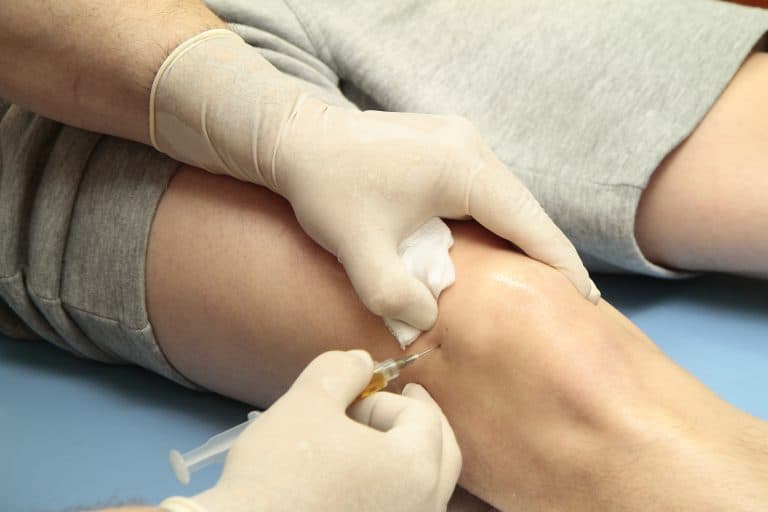
Knee osteoarthritis is a common condition that can make everyday movements painful and difficult, affecting many people’s independence and quality of life. Simple activities like walking or climbing stairs may become a struggle due to stiffness and discomfort. To help manage these challenges, healthcare experts are exploring ways to combine innovative treatments with physical therapies. One promising approach involves using Arthrosamid injections alongside physiotherapy to improve movement and overall wellbeing.
What is Arthrosamid and How Can It Help Your Knee?
Arthrosamid is a specially designed gel injected into the knee joint to ease pain by improving lubrication inside the joint. This added cushioning can help reduce friction and allow for smoother, more comfortable movement. Recent clinical research shows that Arthrosamid has been safe and effective for many people with knee osteoarthritis, especially older patients without diabetes and those with less severe joint damage. While it’s not a fix for everyone, it can be a useful part of a wider rehabilitation plan that supports gradual progress.
The Important Role of Physiotherapy in Managing Osteoarthritis
Physiotherapy plays a crucial part in managing knee osteoarthritis by strengthening muscles, improving flexibility, and stabilising the joint. Tailored, low-impact exercises help increase confidence and reduce the risk of further injury. A key to success here is sticking with the personalised exercise programme designed by professional physiotherapists, which ensures safety and effectiveness. Physiotherapy is often the backbone of long-term management, working best when combined with other treatments.
Free non-medical discussion
Not sure what to do next?
Information only · No medical advice or diagnosis.
Why Combining Arthrosamid and Physiotherapy Makes Sense
Using Arthrosamid injections alongside physiotherapy may bring extra benefits. By easing pain, the injections can make it easier for patients to engage in physiotherapy exercises more fully, boosting motivation and adherence. This combined treatment approach can help accelerate improvement in mobility and overall function. Though individual results vary, ongoing studies encourage optimism. It’s worth noting that further research is needed to fine-tune which patients benefit most and to assess the longer-term effects.

Receiving Care from Experts You Can Trust
Expert guidance is essential when managing knee osteoarthritis. Professor Paul Lee, with his vast experience in orthopaedics and rehabilitation, leads care at the London Cartilage Clinic—a centre known for its professional and supportive environment. Here, patients receive thorough assessments and evidence-based treatments tailored to their needs. While the clinic offers considerable expertise, it does not claim exclusive rights to Arthrosamid treatment nor guarantees universal success. What it promises is compassionate, patient-centred care throughout the journey.
Looking Ahead: What You Should Know
In summary, combining Arthrosamid injections with physiotherapy offers a thoughtful and comprehensive way to improve movement and reduce knee pain for many living with osteoarthritis. Together, they tackle both relief from symptoms and rebuilding function. It remains important to seek advice tailored to your specific situation from a qualified healthcare professional who can guide you through the options and help you make informed decisions.
For individual medical advice, please consult a qualified healthcare professional.
References
- Gao, H. C. K., Akhtar, M., Creedon, C., Nar, Ö. O., & Lee, P. Y. (2025). The impact of patient factors on the minimal clinically important difference of Arthrosamid polyacrylamide hydrogel injection for knee osteoarthritis: A cohort study. Osteoarthritis and Cartilage. https://doi.org/10.1016/j.joca.2025.02.648
- Gao, H. C. K., Akhtar, M., Creedon, C., Nar, Ö. O., Verma, T., & Lee, P. Y. F. (2025). Polyacrylamide hydrogel injections in knee osteoarthritis: A PROMs-based 24 month cohort study. Journal of Clinical Orthopaedics and Trauma. https://doi.org/10.1016/j.jcot.2025.103136
Frequently Asked Questions
- London Cartilage Clinic, led by Prof Paul Lee, offers evidence-based, personalised care for knee osteoarthritis. The clinic combines innovative treatments, like Arthrosamid injections, with expert physiotherapy to maximise patient mobility and manage pain within a supportive environment.
- Professor Paul Lee is a Cartilage Expert, Regional Surgical Ambassador, and Royal College of Surgeons of Edinburgh Advisor. He brings years of orthopaedic experience, ensuring patients receive thorough assessments and comprehensive treatment tailored to their specific needs.
- Arthrosamid injections help by adding lubrication and cushioning inside the knee joint. This can reduce pain and improve movement, especially when combined with physiotherapy, offering many patients a chance to enhance their joint function and confidence.
- Physiotherapy, when used with Arthrosamid injections, helps strengthen knee muscles, improves flexibility, and supports joint stability. This approach encourages better engagement with exercises, potentially leading to greater improvements in movement and overall knee function.
- London Cartilage Clinic is recognised for patient-centred, professional care. Under Professor Paul Lee’s leadership, patients benefit from reliable assessments, advanced treatment options, and a commitment to compassionate, ethical care throughout their treatment journey.
Legal & Medical Disclaimer
This article is written by an independent contributor and reflects their own views and experience, not necessarily those of London Cartilage Clinic. It is provided for general information and education only and does not constitute medical advice, diagnosis, or treatment.
Always seek personalised advice from a qualified healthcare professional before making decisions about your health. London Cartilage Clinic accepts no responsibility for errors, omissions, third-party content, or any loss, damage, or injury arising from reliance on this material.
If you believe this article contains inaccurate or infringing content, please contact us at [email protected].
London Cartilage Clinic
Modern treatments, designed for lasting knee outcomes
Every treatment plan is selected to help you return to the quality of life you deserve. Our team combines up-to-date techniques with consultant-led decision making across cartilage repair, regeneration and replacement.
What your journey can look like
Step 01
Consultant-Led Assessment
Symptoms, imaging and goals reviewed in one structured appointment.
Step 02
Personalised Treatment Plan
A clear route chosen from repair, regeneration or replacement options.
Step 03
Precision Delivery
Modern techniques and specialist equipment matched to your diagnosis.
Step 04
Long-Term Knee Health
Follow-up guidance focused on durable function and quality of life.
Will the Arthrosamid work for me
PAAG-8+ Questionnaire
A bright, structured entry point for patients exploring Arthrosamid. The questionnaire helps frame suitability, expectations, and 24-month clinical benefit discussion before a fuller consultant-led review.
Designed for shared decision-making. It does not replace specialist consultation, examination, imaging review, or formal medical advice.