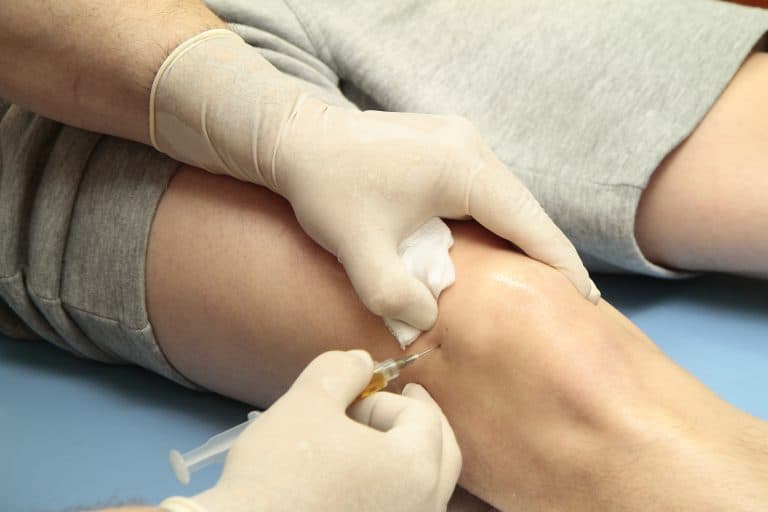


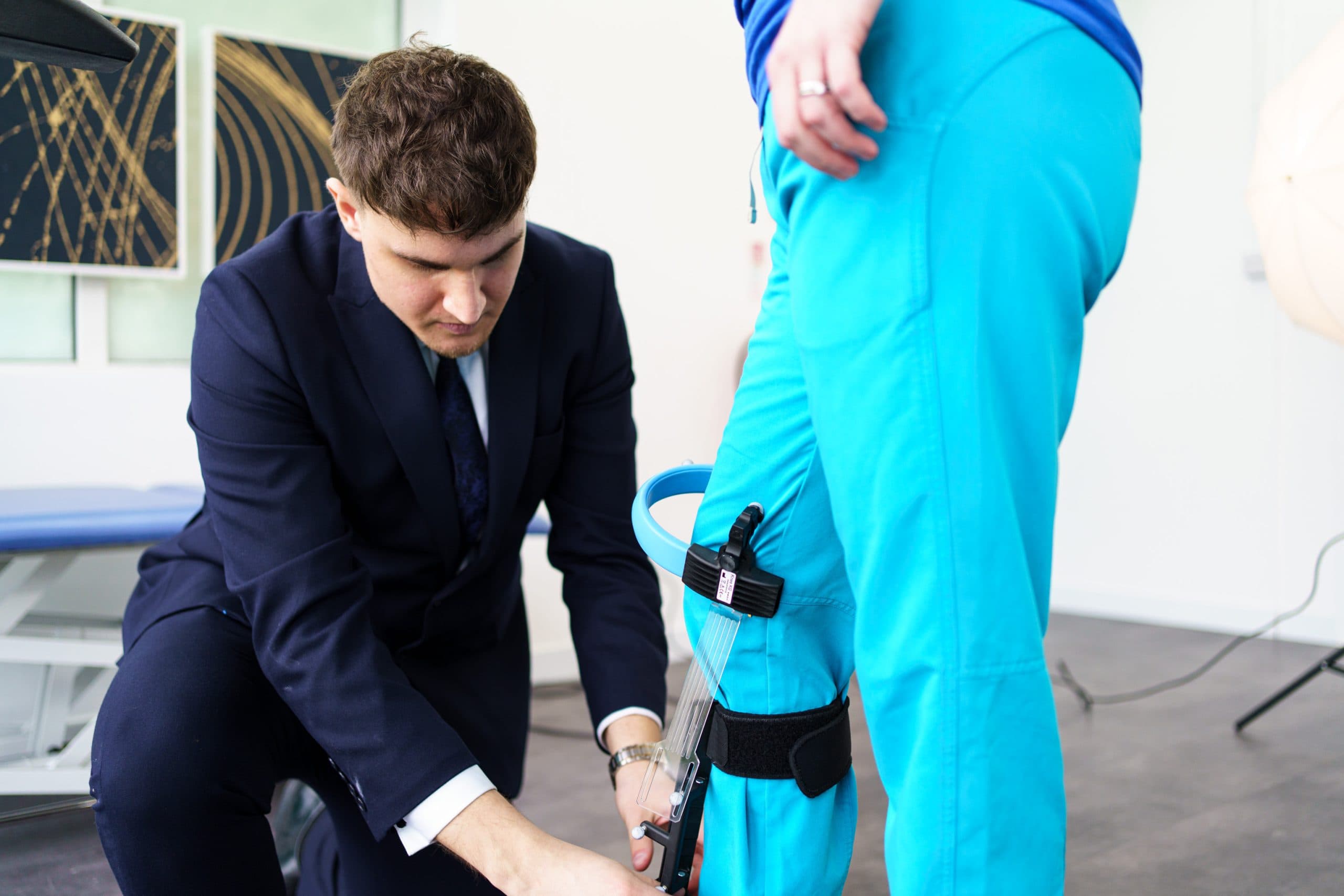
Oftentimes, when someone suffers a meniscus tear it’s usually a medial tear as opposed to a lateral tear. Why is this? And more importantly, what’s the difference between the two? This post is designed to give you an insight into meniscus tears and what can cause them. The hope is that you’ll be able to make an informed decision as to whether meniscus tear surgery is right for you.
What is a medial meniscus tear?
The medial meniscus is located on the inside of the knee between the tibia and femur, whereas the lateral meniscus sits outside the knee. The anterior cruciate ligament and patella are further out from both menisci. Their intended function is to cushion the knee joint, protect the bones, and allow the bone ends to pass over each other.When the medial meniscus tears, it will lead to a complete or incomplete break in the structure. Symptoms will vary from person to person and can include:
- Swelling.
- Pain localised to the inside or back of the knee joint.
- A knee that can’t be fully extended or bent.
- A limp.
- Catching or occasional locking of the knee.
Contributing factors in medial meniscus tears
Nowadays, it is accepted in the medical field that tears in meniscus cartilage is a common source of knee discomfort and disability. The following are the main of the factors that can contribute either directly or indirectly to a tear in the medial meniscus.
Healing from a medial meniscus tear
Complex or severe tears to the medial meniscus are highly detrimental as they can prevent regular leg movement and cause pain. In these cases, an arthroscopy procedure is required for meniscus repair or replacement. Meniscus tear surgery is proven to be effective at restoring the protective function of the meniscus within the knee joint. The nature of the surgery will change slightly depending on the type of tear and its location. As a result, patient recovery times will always vary post operation. That being said, a partial meniscus repair will most often have faster rehabilitation.Small meniscus tears can usually be treated through non-operative methods. To prevent further injury, a medical professional will likely recommend avoiding physical activities and the use of a knee brace. Do note that minor tears don’t always display symptoms immediately.
A clinic that cares
At London Cartilage Clinic, our primary objective is providing patients with positive outcomes. This means focusing on quality of experience as well as results. Book a free chat using the form on our website to speak with a friendly member of the team about our range of specialist treatments. No one should have to feel as though they are stuck waiting to be seen, all while they’re in pain and unable to move freely.
Book a Consultation
Frequently Asked Questions
- As discussed earlier, the medial meniscus is attached to the interior of the knee joint and the medial collateral ligament. This makes it far more rigid and prone to tearing under the stress of certain forces. The shape of the medial meniscus compared to the lateral could also be a factor. The former has a steeper curvature, meaning that forces could be concentrated more heavily on the medial meniscus during strenuous knee movements.
- <span lang="EN-GB" xml:lang="EN-GB" data-contrast="auto">When we put weight on our legs, a majority of the weight is transferred through the medial section of the knee. This force is vastly increased during running, as especially when landing from a jump. As we put weight on our knees on a daily basis, it means the medial meniscus is more likely to experience wear and tear. Over time, this causes a weakening of the meniscus that increases the chances of a tear.</span>
- <span lang="EN-GB" xml:lang="EN-GB" data-contrast="auto">People who do regular exercise are more prone to bone and soft tissue injuries such as fractures and cartilage tears. This typically occurs when the leg is planted but an impact causes the knee joint to rotate or twist suddenly. The medial meniscus has a lower range of motion than the lateral meniscus, which is why dynamic movements are more likely to damage it. Certain sports will put individuals more at risk of a meniscus tear than others.</span>
- <span lang="EN-GB" xml:lang="EN-GB" data-contrast="auto">A tight ligament can place more stress on the soft tissue in and around joints. The medial collateral ligament (MCL) which runs along the back of the knee is the one that can impact the medial meniscus. Its function is to limit extreme lateral movements and provide stability to the knee.</span>
- <span lang="EN-GB" xml:lang="EN-GB" data-contrast="auto">Age is a factor in increasing the likelihood of both medial and lateral meniscus tears. This is because the meniscus can naturally deteriorate over time, becoming weaker and less elastic. The result is that even minor falls and impacts can cause the menisci to be damaged.</span>
Legal & Medical Disclaimer
This article is written by an independent contributor and reflects their own views and experience, not necessarily those of London Cartilage Clinic. It is provided for general information and education only and does not constitute medical advice, diagnosis, or treatment.
Always seek personalised advice from a qualified healthcare professional before making decisions about your health. London Cartilage Clinic accepts no responsibility for errors, omissions, third-party content, or any loss, damage, or injury arising from reliance on this material.
If you believe this article contains inaccurate or infringing content, please contact us at [email protected].
London Cartilage Clinic
Modern treatments, designed for lasting knee outcomes
Every treatment plan is selected to help you return to the quality of life you deserve. Our team combines up-to-date techniques with consultant-led decision making across cartilage repair, regeneration and replacement.
What your journey can look like
Step 01
Consultant-Led Assessment
Symptoms, imaging and goals reviewed in one structured appointment.
Step 02
Personalised Treatment Plan
A clear route chosen from repair, regeneration or replacement options.
Step 03
Precision Delivery
Modern techniques and specialist equipment matched to your diagnosis.
Step 04
Long-Term Knee Health
Follow-up guidance focused on durable function and quality of life.
Will the Arthrosamid work for me
PAAG-8+ Questionnaire
A bright, structured entry point for patients exploring Arthrosamid. The questionnaire helps frame suitability, expectations, and 24-month clinical benefit discussion before a fuller consultant-led review.
Designed for shared decision-making. It does not replace specialist consultation, examination, imaging review, or formal medical advice.