


Unlocking Enhanced Knee Mobility: How Arthrosamid Complements Physiotherapy for Holistic Osteoarthritis Care
Introduction
Knee osteoarthritis (OA) is a common condition that can seriously affect your ability to move and enjoy everyday activities. The pain, stiffness, and reduced joint function often make even simple tasks a challenge, which can understandably impact your quality of life. While surgery is an option, many people prefer to explore non-surgical methods that aim to relieve symptoms and improve movement sustainably. Among these, Arthrosamid—an injectable treatment—and physiotherapy stand out as effective, complementary treatments. In this article, we’ll explore how combining Arthrosamid with physiotherapy offers a well-rounded approach to managing knee OA, helping patients move more freely and regain confidence in their mobility.
What Is Arthrosamid and How Does It Help?
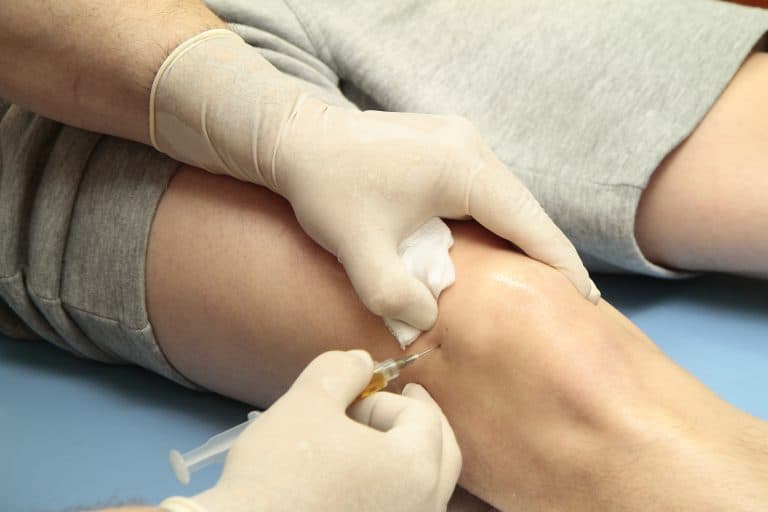
Arthrosamid is a specialised injectable gel designed to support the knee joint in osteoarthritis sufferers. It acts like a cushion inside the joint, easing irritation and discomfort. By reducing pain, Arthrosamid helps patients feel more comfortable moving their knees, which is vital for starting or maintaining an exercise routine. It’s important to understand that Arthrosamid isn’t a cure for osteoarthritis, but it plays a valuable supporting role in managing symptoms by making movement less painful and more achievable.
The Role of Physiotherapy in Supporting Your Knee Health
Physiotherapy is essential in treating knee OA because it focuses on improving joint function through carefully designed exercises. Typical physiotherapy involves low-impact activities like swimming or cycling, along with exercises that build strength, flexibility, and balance. These help reduce joint stiffness and improve mobility over time.
However, sticking with a physiotherapy routine can be difficult, especially when pain and limited movement get in the way. That’s why commitment—often called adherence—is so important for long-term benefits. Consistent, low-impact exercise guided by professionals helps people regain control over their knee function and achieve steady progress.
Beyond the physical benefits, exercise also positively affects mental health. Research shows that “exercise can increase the production of endorphins, which are natural chemicals in the brain that boost mood and bring feelings of well-being.” Regular movement is known to reduce stress and anxiety, improve sleep quality, and enhance self-esteem and social connections—all factors that contribute to overall wellness.
Free non-medical discussion
Not sure what to do next?
Information only · No medical advice or diagnosis.
How Arthrosamid and Physiotherapy Work Hand in Hand
When these two treatments are combined, they create a powerful partnership. Arthrosamid reduces pain and inflammation, making it easier for patients to engage actively in their physiotherapy sessions. This gentle relief can overcome the common fear that exercise will worsen symptoms, encouraging more consistent participation in rehabilitation.
By easing discomfort, Arthrosamid helps break down the physical and mental barriers to movement, supporting steady and sustainable progress. As patients regain mobility and strength, they often notice improvements in mood and well-being too, reinforcing the benefits of staying active. Indeed, exercise is considered “a low-cost, accessible, and effective treatment option that can be implemented in various settings,” which makes this combined approach both practical and impactful.

The Importance of Personalised, Expert Care
Managing knee OA effectively requires personalised treatment tailored to each patient’s unique needs. Professor Paul Lee, a respected cartilage expert with vast experience in orthopaedics and rehabilitation, provides such expert care at the London Cartilage Clinic. Here, patients receive thorough assessments and customised treatment plans designed to make the best use of Arthrosamid injections alongside physiotherapy.
Ongoing clinical support is vital, allowing healthcare professionals to monitor progress and make adjustments that ensure treatment remains safe and effective. Anyone considering combined therapies should seek advice from specialist clinicians to develop a plan that suits their specific situation and goals.
Conclusion and Disclaimer
In summary, pairing Arthrosamid injections with physiotherapy offers a complementary and patient-focused way of managing knee osteoarthritis. This combined strategy supports more comfortable movement, boosts confidence, and encourages steady progress toward improved joint health and better quality of life. For tailored medical advice, always consult a qualified healthcare professional.
References
Hossain, M. N., Lee, J., Choi, H., Kwak, Y.-S., & Kim, J.-N. (2024). The impact of exercise on depression: how moving makes your brain and body feel better. Physical Activity and Nutrition, 28(2), 43–51. https://doi.org/10.20463/pan.2024.0015
Gao, H. C. K., Akhtar, M., Creedon, C., Nar, Ö., & Lee, P. Y. F. (2025). THE IMPACT OF PATIENT FACTORS ON THE MINIMAL CLINICALLY IMPORTANT DIFFERENCE OF ARTHROSAMID POLYACRYLAMIDE HYDROGEL INJECTION FOR KNEE OSTEOARTHRITIS: A COHORT STUDY. Journal of Osteoarthritis and Cartilage. https://doi.org/10.1016/j.joca.2025.02.648
Frequently Asked Questions
- Combining Arthrosamid injections with physiotherapy can help reduce knee pain, enabling easier movement and more consistent participation in rehabilitation. This partnership supports sustainable progress and may enhance a patient’s confidence and quality of life in everyday activities.
- The London Cartilage Clinic offers expert, personalised care tailored to each patient's unique knee condition. With thorough assessments and bespoke treatment plans, patients benefit from advanced therapies and ongoing support designed to improve their mobility and joint health effectively.
- Professor Paul Lee is a renowned cartilage expert and Royal College of Surgeons Ambassador. With vast orthopaedic experience, he leads the London Cartilage Clinic in providing advanced, evidence-based treatments and tailored care for people seeking effective knee osteoarthritis management.
- Arthrosamid is not a cure for knee osteoarthritis but serves as a supportive treatment. It helps reduce discomfort, making movement easier and physiotherapy more accessible, but long-term management and improvements require a comprehensive approach guided by experienced professionals.
- Every patient’s condition and lifestyle are different. Personalised treatment, such as that provided at the London Cartilage Clinic by Professor Lee, ensures therapies like Arthrosamid and physiotherapy are tailored to meet individual needs, promoting safer, more effective outcomes and ongoing progress.
Legal & Medical Disclaimer
This article is written by an independent contributor and reflects their own views and experience, not necessarily those of London Cartilage Clinic. It is provided for general information and education only and does not constitute medical advice, diagnosis, or treatment.
Always seek personalised advice from a qualified healthcare professional before making decisions about your health. London Cartilage Clinic accepts no responsibility for errors, omissions, third-party content, or any loss, damage, or injury arising from reliance on this material.
If you believe this article contains inaccurate or infringing content, please contact us at [email protected].
London Cartilage Clinic
Modern treatments, designed for lasting knee outcomes
Every treatment plan is selected to help you return to the quality of life you deserve. Our team combines up-to-date techniques with consultant-led decision making across cartilage repair, regeneration and replacement.
What your journey can look like
Step 01
Consultant-Led Assessment
Symptoms, imaging and goals reviewed in one structured appointment.
Step 02
Personalised Treatment Plan
A clear route chosen from repair, regeneration or replacement options.
Step 03
Precision Delivery
Modern techniques and specialist equipment matched to your diagnosis.
Step 04
Long-Term Knee Health
Follow-up guidance focused on durable function and quality of life.
Will the Arthrosamid work for me
PAAG-8+ Questionnaire
A bright, structured entry point for patients exploring Arthrosamid. The questionnaire helps frame suitability, expectations, and 24-month clinical benefit discussion before a fuller consultant-led review.
Designed for shared decision-making. It does not replace specialist consultation, examination, imaging review, or formal medical advice.