


Starting Your Day with Ease: How Arthrosamid Offers Hope for Morning Stiffness in Knee Osteoarthritis
Introduction
For many people living with knee osteoarthritis (OA), mornings can be the toughest part of the day. Imagine waking up and finding those first few steps out of bed feeling stiff, slow, and uncomfortable. This morning stiffness can make everyday tasks—like standing up, walking across a room, or getting ready for your commute—feel much harder than they should. It’s this frustrating “start-up” stiffness that often shapes how someone with knee OA experiences their day.
The good news is that new treatments, such as Arthrosamid , are showing promise in tackling this very issue. Expert clinics like the London Cartilage Clinic , led by specialists including Professor Paul Lee, are helping patients find better ways to manage their symptoms and move through their mornings with more ease and confidence.
Understanding Morning Stiffness in Knee Osteoarthritis
Knee osteoarthritis is a condition where the cartilage cushioning the joint gradually wears away, leading to pain and difficulty moving. For some people, the most troubling symptom is morning stiffness—the feeling that their knee joint is tight and rigid right after rest.
This stiffness often lasts from a few minutes up to half an hour, making those first few movements of the day feel awkward or even painful. It can slow you down, affect your balance, and make simple activities like climbing stairs or walking to the bus stop more challenging.
Researchers believe that overnight changes in the knee joint play a part in this. For example, the synovial fluid, which acts as a natural lubricant inside the knee , changes its consistency during rest. Meanwhile, the joint capsule and surrounding tissues may become more rigid. These factors together reduce flexibility first thing in the morning. Understanding these causes is important because it helps doctors develop treatments that specifically target this stiffness and improve your morning mobility.
The Science Behind Arthrosamid and Synovial Fluid Mechanics
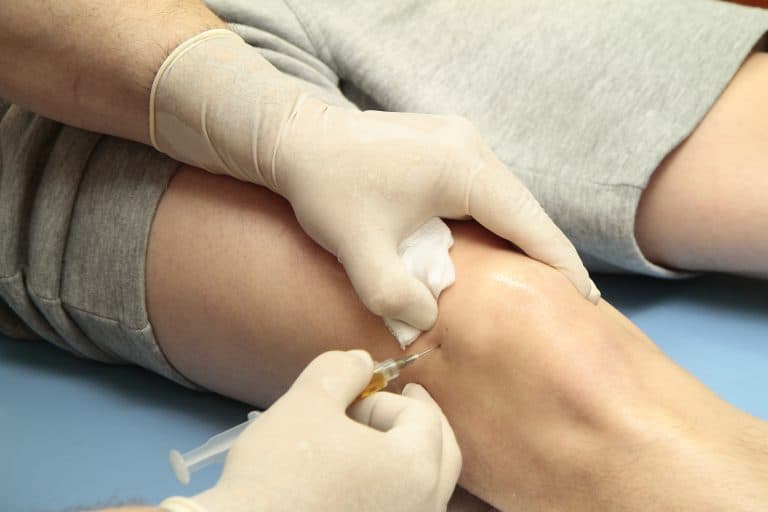
Arthrosamid is an exciting, non- surgical treatment designed to ease symptoms like morning stiffness in knee OA. It involves a simple injection of a special gel called polyacrylamide hydrogel (often shortened to PAAG) into the knee joint .
Unlike traditional treatments, Arthrosamid works by attaching to and gently thickening the synovial membrane—the thin lining inside the joint. This gel acts like a scaffold, supporting the synovial membrane and improving the quality and flow of synovial fluid , which is essential for lubricating and cushioning the joint. By enhancing this natural joint fluid, Arthrosamid helps the knee move more smoothly, which can make those first steps in the morning less stiff and more comfortable.
A thorough review of all available studies on Arthrosamid found that patients experienced statistically significant improvements for at least a year after treatment, with benefits lasting up to two years. What’s more, “numerically superior data was identified compared to hyaluronic acid,” a commonly used gel treatment. Importantly, this therapy has been shown to be safe, with no long-lasting side effects reported in the research so far.
Free non-medical discussion
Not sure what to do next?
Information only · No medical advice or diagnosis.
Expert Insights: Professionalism at London Cartilage Clinic
The London Cartilage Clinic offers a welcoming and professional setting where patients can explore innovative treatments like Arthrosamid under the care of experienced specialists such as Professor Paul Lee. With his background in orthopaedics and rehabilitation, Professor Lee focuses on personalised care that meets each patient’s unique needs.
Typically, a patient who is troubled by morning stiffness might start by discussing their symptoms during a detailed consultation. The team then assesses the condition of the knee and works with the patient to determine the best treatment options, which could include Arthrosamid injections combined with tailored rehabilitation exercises.
This approach ensures not only symptom relief but also support for longer-term joint health . The Clinic’s multi-disciplinary team emphasises communication and partnership with patients—helping them make informed decisions and feel confident on their journey to better mobility.

Making Mornings Manageable: Arthrosamid’s Role in Commute Readiness and Daily Life
Reducing morning stiffness doesn’t just mean feeling less pain—it means practical improvements that affect everyday life. People who respond well to Arthrosamid often report being more “commute-ready,” able to move around their home or travel with less discomfort, and starting their day with a newfound sense of ease.
To make the most of these benefits, it’s important to work with healthcare professionals who can provide guidance on suitable exercises and lifestyle habits that protect and strengthen your knee . While every person’s response to treatment varies, many find that combining Arthrosamid with ongoing specialist support leads to lasting improvements.
As the comprehensive review states, Arthrosamid “seems to be an efficacious and safe treatment option for knee OA and provides positive results for at least two years.” This makes it a hopeful step forward for those struggling to manage morning stiffness.
Conclusion and Disclaimer
In summary, Arthrosamid offers an innovative, non-surgical option for people with stiffness-dominant knee osteoarthritis —particularly those whose mornings are disrupted by slow, painful joint movement. Consulting experienced clinicians like Professor Paul Lee at the London Cartilage Clinic can help you access the best possible care tailored to your needs.
If you or someone you know is living with knee OA and morning stiffness, it’s important to seek individual medical advice from a qualified healthcare professional to explore treatment options.
References
Cole, A., Maulana, R. K., Whitehead, J. P., & Lee, P. Y. F. (2022). A systematic review of the novel compound Arthrosamid polyacrylamide (PAAG) hydrogel for treatment of knee osteoarthritis. Medical Research Archives, 10(8). https://doi.org/10.18103/mra.v10i8.2950
Frequently Asked Questions
- Morning stiffness can make simple activities like getting out of bed or walking difficult and uncomfortable, affecting daily routines. It not only slows movement but also influences confidence and mobility, particularly during those crucial first steps of the day.
- Arthrosamid uses a polyacrylamide hydrogel injected into the knee, which thickens the synovial membrane and improves joint lubrication. This innovative non-surgical option supports smoother knee movement, contrasting with conventional treatments like hyaluronic acid, and can yield statistically significant benefits.
- London Cartilage Clinic offers expert care from specialists like Professor Paul Lee, whose extensive experience ensures patients receive personalised treatment and comprehensive support. The clinic's multi-disciplinary team focuses on innovative treatments and strong patient communication for optimal results.
- Professor Paul Lee leads consultations and treatment strategies, drawing on his orthopaedic expertise and rehabilitation background. He takes a personalised approach, working closely with patients to understand their needs and ensure the most appropriate and effective treatment options are considered.
- Patients often find the best results by pairing Arthrosamid treatment with individualised exercises and lifestyle advice from clinic specialists. This combined approach can significantly improve mobility and morning comfort, helping people start their day with greater ease and confidence.
Legal & Medical Disclaimer
This article is written by an independent contributor and reflects their own views and experience, not necessarily those of London Cartilage Clinic. It is provided for general information and education only and does not constitute medical advice, diagnosis, or treatment.
Always seek personalised advice from a qualified healthcare professional before making decisions about your health. London Cartilage Clinic accepts no responsibility for errors, omissions, third-party content, or any loss, damage, or injury arising from reliance on this material.
If you believe this article contains inaccurate or infringing content, please contact us at [email protected].
London Cartilage Clinic
Modern treatments, designed for lasting knee outcomes
Every treatment plan is selected to help you return to the quality of life you deserve. Our team combines up-to-date techniques with consultant-led decision making across cartilage repair, regeneration and replacement.
What your journey can look like
Step 01
Consultant-Led Assessment
Symptoms, imaging and goals reviewed in one structured appointment.
Step 02
Personalised Treatment Plan
A clear route chosen from repair, regeneration or replacement options.
Step 03
Precision Delivery
Modern techniques and specialist equipment matched to your diagnosis.
Step 04
Long-Term Knee Health
Follow-up guidance focused on durable function and quality of life.
Will the Arthrosamid work for me
PAAG-8+ Questionnaire
A bright, structured entry point for patients exploring Arthrosamid. The questionnaire helps frame suitability, expectations, and 24-month clinical benefit discussion before a fuller consultant-led review.
Designed for shared decision-making. It does not replace specialist consultation, examination, imaging review, or formal medical advice.