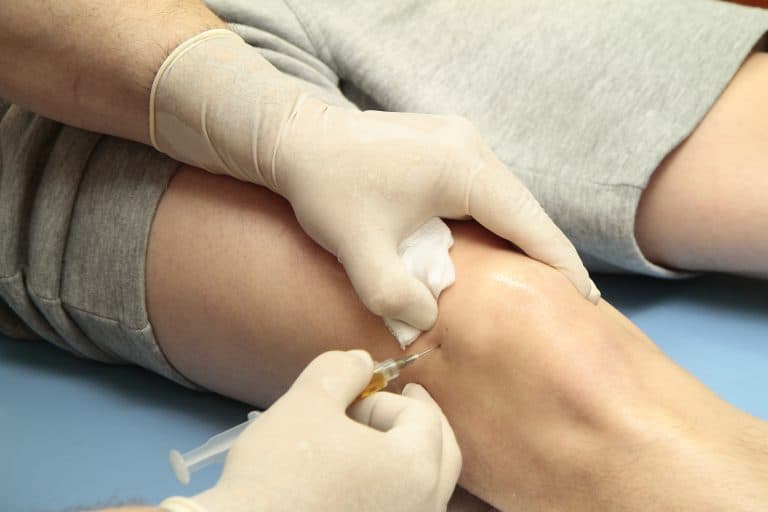



Cartilage damage is a common problem that can seriously affect joint health and mobility. It often leads to persistent pain, stiffness, and limited movement, reducing quality of life. Traditional cartilage repair methods tend to be complicated and involve several surgeries, making the treatment process long and demanding for patients. Recently, ChondroFiller has emerged as a promising solution that aims to regenerate cartilage through a single, straightforward procedure. In this article, we explore what ChondroFiller is, how it compares with conventional treatments, and what clinical evidence says about its effectiveness.
What is ChondroFiller and How Does It Work?
ChondroFiller is a novel treatment designed to repair cartilage damage without the need to remove and grow patient’s own cartilage cells in a lab. Instead, it is applied directly during surgery as a gel-like material that acts as a scaffold, encouraging the body’s own cartilage cells—called chondrocytes—to grow and repair the damaged tissue.
This treatment uses an acellular, or cell-free, collagen matrix. One study describes it as “a resorbable filler based on type I collagen and a neutralising solution, used to form a protective layer around the cartilage defect while stimulating the growth of chondrocytes and the consequent induction of cartilage regeneration.” The advantage is clear: it offers a simpler, less invasive option that supports natural healing in a single step, reducing the need for multiple surgeries.
How Does ChondroFiller Compare with Traditional Treatments?
Traditional cartilage repair often involves several stages, including harvesting cartilage cells from the patient, growing them in a lab for weeks, then performing a second surgery to implant the cultivated cells. These multi-step procedures can be lengthy, costly, and physically demanding.
In comparison, ChondroFiller can be applied in one surgical session and does not require cell harvesting. Early clinical findings describe it as “a safe and simple workable method” and “simple, inexpensive, and reproducible.” This approach can mean shorter surgery times, fewer complications, and faster recovery for patients. It offers a more efficient solution for those seeking effective cartilage repair without prolonged treatment and downtime.
Free non-medical discussion
Not sure what to do next?
Information only · No medical advice or diagnosis.
Expert Care and Clinical Environment
Successful cartilage treatment relies heavily on clinical expertise. Professor Paul Lee, a respected orthopaedic surgeon and cartilage specialist, combines years of experience with a commitment to advanced yet patient-centred care. He serves as an Ambassador and Advisor to the Royal College of Surgeons of Edinburgh and is a member of the Royal Society of Arts (RSA).
At the London Cartilage Clinic, under his leadership, patients receive expert care within a supportive and professional setting. The clinic embraces advanced treatments like ChondroFiller, ensuring they are delivered safely and effectively while tailoring care to individual patient needs.

What Do the Results Say? Patient Outcomes and Perspectives
Clinical studies suggest encouraging outcomes for ChondroFiller in treating cartilage damage. For example, research on its use in hand joint osteoarthritis showed “an improvement in pain symptoms, associated with an increase in force in pincer and grip movements evaluated with clinical tests.” MRI scans revealed “changes in the joint profile, with some patients showing a reduction of bone oedema and periarticular effusion.” However, the authors remind us that “physical examination and clinical history are still the basic and low-cost diagnostic methods,” highlighting the importance of careful clinical evaluation.
In another study focused on knee cartilage defects, patients treated with ChondroFiller experienced “significant improvements in clinical outcome scores at 3 and 6 months,” along with “good immediate filling of all treated defects on MRI” and, notably, “no adverse events reported.” While promising, the authors emphasise that “further prospective randomised studies with larger patient numbers and longer follow-ups” are needed to fully establish its long-term benefits.
Responses to treatment can vary based on factors such as the extent of cartilage damage, patient age, and general health. These encouraging findings uphold the potential of ChondroFiller but also remind us that it is not a one-size-fits-all solution.
Final Thoughts
The idea of repairing cartilage with a simple, one-step procedure is highly appealing, particularly for those looking to avoid complicated surgeries and lengthy recovery periods. ChondroFiller offers an innovative and promising option that is simpler to administer and may speed up recovery.
Nevertheless, every case is unique, and patients should always seek personalised advice from qualified healthcare professionals to explore which treatment is best suited to their specific situation. With informed decisions and expert care, ChondroFiller could become a valuable addition to the cartilage repair options available today.
For personal medical advice, please consult a qualified healthcare provider.
References
- Perez-Carro, L., Mendoza Alejo, P. R., Gutierrez Castanedo, G., Menendez Solana, G., Fernandez Divar, J. A., Galindo Rubin, P., & Alfonso Fernandez, A. (2021). Hip Chondral Defects: Arthroscopic Treatment With the Needle and Curette Technique and ChondroFiller. Arthroscopy Techniques, 10(6), e1471–e1477. https://doi.org/10.1016/j.eats.2021.03.011
- Schneider, U. (2016). Controlled, randomized multicenter study to compare compatibility and safety of ChondroFiller liquid (cell free 2-component collagen gel) with microfracturing of patients with focal cartilage defects of the knee joint. International Journal of Medical and Health Sciences, 5(1), 1–8. https://doi.org/10.5348/VNP05-2016-1-OA-1
- Corain, M., Zanotti, F., Giardini, M., Gasperotti, L., Invernizzi, E., Biasi, V., & Lavagnolo, U. (2023). The Use of an Acellular Collagen Matrix ChondroFiller® Liquid for Trapeziometacarpal Osteoarthritis. Cartilage. https://doi.org/10.1177/19476035251354926
Frequently Asked Questions
- ChondroFiller offers a simpler, one-step procedure that does not require growing cartilage cells in a laboratory. This makes it less invasive than traditional multi-stage treatments, allowing for quicker recovery while still promoting the body’s natural cartilage repair.
- London Cartilage Clinic stands out by offering advanced treatments like ChondroFiller in a supportive, professional environment. Led by Professor Paul Lee, the clinic ensures that care is tailored to each patient, delivering options safely with clinical expertise and personalised attention.
- Professor Paul Lee is a recognised cartilage expert and serves as an Ambassador and Advisor for the Royal College of Surgeons of Edinburgh. His extensive surgical experience and commitment to innovation provide patients with exceptional, patient-centred care at the London Cartilage Clinic.
- Clinical studies indicate that ChondroFiller can improve symptoms like pain and mobility following cartilage damage. Patients have reported encouraging outcomes, with better joint function and minimal adverse effects, although results may vary based on individual conditions and further research is ongoing.
- ChondroFiller may be suitable for individuals with cartilage injuries seeking a less complex solution. London Cartilage Clinic offers expert assessment to determine if ChondroFiller is appropriate, relying on Professor Lee’s experience to provide personalised guidance and high standards of patient care.
Legal & Medical Disclaimer
This article is written by an independent contributor and reflects their own views and experience, not necessarily those of London Cartilage Clinic. It is provided for general information and education only and does not constitute medical advice, diagnosis, or treatment.
Always seek personalised advice from a qualified healthcare professional before making decisions about your health. London Cartilage Clinic accepts no responsibility for errors, omissions, third-party content, or any loss, damage, or injury arising from reliance on this material.
If you believe this article contains inaccurate or infringing content, please contact us at [email protected].
London Cartilage Clinic
Modern treatments, designed for lasting knee outcomes
Every treatment plan is selected to help you return to the quality of life you deserve. Our team combines up-to-date techniques with consultant-led decision making across cartilage repair, regeneration and replacement.
What your journey can look like
Step 01
Consultant-Led Assessment
Symptoms, imaging and goals reviewed in one structured appointment.
Step 02
Personalised Treatment Plan
A clear route chosen from repair, regeneration or replacement options.
Step 03
Precision Delivery
Modern techniques and specialist equipment matched to your diagnosis.
Step 04
Long-Term Knee Health
Follow-up guidance focused on durable function and quality of life.
Will the Arthrosamid work for me
PAAG-8+ Questionnaire
A bright, structured entry point for patients exploring Arthrosamid. The questionnaire helps frame suitability, expectations, and 24-month clinical benefit discussion before a fuller consultant-led review.
Designed for shared decision-making. It does not replace specialist consultation, examination, imaging review, or formal medical advice.