


Revolutionizing Torn Meniscus Therapy: Combining Advanced Rehabilitation with Traditional Surgery
Introduction
A torn meniscus is one of the most common knee injuries, as it affects the cartilage that cushions and stabilizes your knee joint . This type of injury can cause pain, swelling, and limited mobility, making even everyday activities challenging. For years, surgery has been the standard solution—either repairing or removing the damaged cartilage . But recent breakthroughs in both rehabilitation and surgical practices are changing the way doctors care for meniscus injuries . In this article, we’ll look at why these injuries are tricky to treat, highlight the latest non-surgical options, review state-of-the-art surgical techniques , and show how a combination of both approaches can provide the best results.
The Challenge of Treating Torn Meniscus Injuries
The meniscus is a C-shaped piece of cartilage in your knee that acts as a shock absorber and keeps the joint stable. Tears often occur during sudden twists, such as in sports, or as a result of gradual wear and tear with age.
Traditionally, arthroscopic surgery —a minimally invasive technique—has been used to repair or remove damaged parts of the meniscus. While surgery can work well, it's not perfect. Recovery can take weeks or even months, and some patients never fully get back their knee’s previous strength and function. Older adults or those with other health concerns may not be ideal candidates for surgery. And research shows that some people continue to deal with pain or limited motion after their operation.
Another challenge is that not all meniscus tears are the same. The location and type of tear—as well as individual knee anatomy —can affect how the injury should be treated and how well someone recovers. Studies have found, for instance, that differences in knee alignment based on meniscus morphology may impact long-term outcomes (Lei et al., 2023).
Additionally, cartilage injuries called chondral lesions can mimic a torn meniscus , making a correct diagnosis difficult. MRI and thorough clinical exams are essential to distinguish between these conditions and ensure the right treatment path is chosen (Gan et al., 2016).
There’s also been a shift in how doctors approach meniscus injuries . The current trend is to preserve as much meniscus tissue as possible. Instead of immediately removing the damaged portion, surgeons are now more likely to perform repairs—suturing the torn meniscus—especially in cases like discoid meniscus, which are more amenable to tissue-saving procedures (Sevillano-Pérez et al., 2016).
Advances in Non-Surgical Treatments
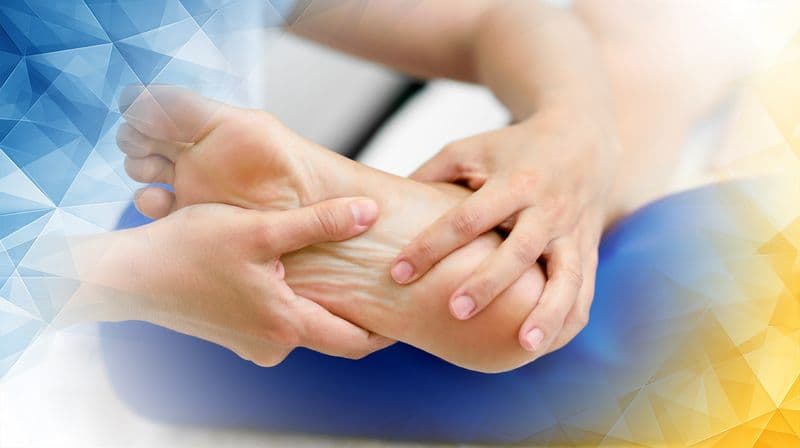
Fortunately, non-surgical treatments for meniscus tears have improved dramatically. Modern rehabilitation centers on customized physical therapy designed to strengthen surrounding muscles, enhance joint stability, and restore proprioception—your body’s natural awareness of joint movement . This approach can reduce pain and help prevent further injury.
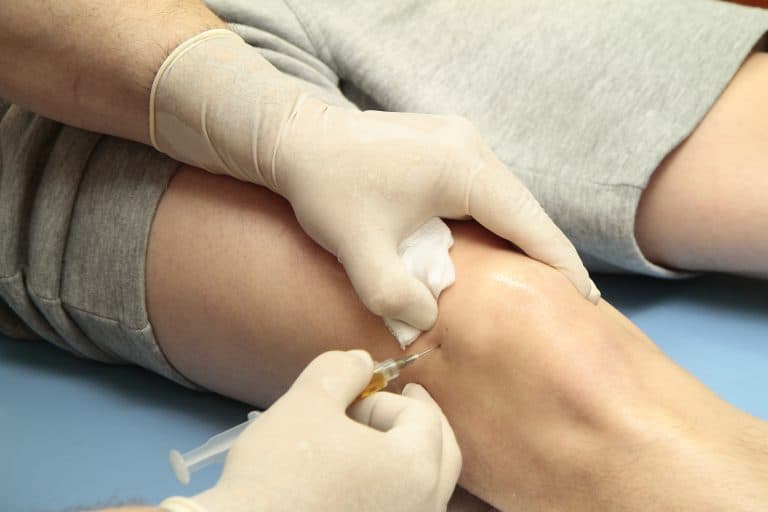
Regenerative therapies have also become increasingly popular. Treatments like platelet-rich plasma (PRP) injections and stem cell therapy harness the body’s own healing powers. PRP concentrates healing factors from your blood and injects them into the injured area, while stem cells encourage tissue regrowth. Emerging research shows these approaches can decrease inflammation, boost repair, and in some cases even cut recovery time —all without going under the knife.
Timely diagnosis and intervention are crucial. Studies suggest that early treatment of cartilage injuries can help avoid the development of osteoarthritis later on (Gan et al., 2016). And for some types of meniscus tears , especially when there are no symptoms (such as certain discoid meniscus variants), observation and rehabilitation might actually be the best course, avoiding unnecessary surgery (Lei et al., 2023).
Overall, these non-surgical treatments can be used on their own or as part of a broader recovery plan, offering less invasive yet effective alternatives for many patients.
Free non-medical discussion
Not sure what to do next?
Information only · No medical advice or diagnosis.
Innovations in Surgical Techniques
Surgical techniques for meniscus repair have come a long way. Today’s minimally invasive arthroscopy allows surgeons to see inside the knee with incredible clarity and use highly specialized instruments for precise repairs. The goal now is to save as much of the meniscus as possible, since preserving this cartilage is essential for joint function and long-term knee health.
Surgeons may also use biological enhancements during procedures, like applying growth factors or scaffolds that act as a support system to optimize tissue healing . These advances mean that, compared to older techniques, patients often experience less pain, faster recovery, and improved knee function after surgery.
Proper diagnosis remains vital, however, since injuries like chondral lesions can mimic a torn meniscus even on scans. Arthroscopy not only aids in repairing the meniscus but can also help identify and treat these subtle cartilage injuries—something that’s essential for long-term knee health.
Contemporary research also highlights the need for individualized surgical planning. For example, certain meniscus types are linked to specific patterns of knee alignment—information that can further guide surgeons in tailoring their approaches for the best possible outcome (Lei et al., 2023).

A Comprehensive Approach: Combining Rehabilitation and Surgery
The best outcomes are often achieved by merging modern rehabilitation protocols with the latest surgical techniques in a patient-specific treatment plan. This comprehensive strategy allows medical teams to address both the immediate injury and the underlying issues that affect recovery.
Surgery can fix the tear itself, while rehabilitation and regenerative therapies help restore strength , flexibility, and function. Many studies and clinical observations support this combination, showing that patients typically experience faster relief, improved mobility, and a quicker return to their normal activities.
There’s also strong momentum toward tissue-preserving surgeries—like suture repairs and saucerization for discoid meniscus tears —which, when combined with targeted rehab, support better long-term outcomes and knee health.
Interestingly, research suggests that certain factors, such as lower-limb alignment changes related to meniscus tears , are consistent across different age groups when the effects of osteoarthritis are taken into account (Lei et al., 2023). This emphasizes the importance of personalized treatment decisions that consider each patient’s unique anatomy and lifestyle.
This patient-centered, multidisciplinary approach is reshaping care for meniscus injuries —providing hope for more complete, lasting recovery for people of all ages.
Conclusion: The Future of Meniscus Treatment
Meniscus injury treatment is evolving at a rapid pace. While surgery remains key in many cases, new rehabilitation techniques and regenerative therapies now offer ways to heal that simply didn’t exist before. Simultaneously, advancements in minimally invasive surgery and biological enhancements have made operations safer and more effective than ever.
Integrating these cutting-edge treatments results in a more coordinated, evidence-based care plan—with faster recoveries and better long-term knee health for patients. As research evolves and new therapies emerge, the outlook for meniscus injuries will only get brighter.
This next chapter in orthopedic care is all about the patient—not just fixing a torn meniscus, but restoring confidence and getting people back to the activities they love, with less pain and more freedom.
References
Gan, J. Z.-W., Abd Razak, H. R. B., & Kanta, M. A. (2016). Cartilage delamination flap mimicking a torn medial meniscus. Case Reports in Orthopedics, 2016, 1-5. https://doi.org/10.1155/2016/7062129
Sevillano-Pérez, E., Espejo‐Reina, A., & Espejo-Reina, M. J. (2016). Symptomatic bilateral torn discoid medial meniscus treated with saucerization and suture. Case Reports in Orthopedics, 2016, 1-6. https://doi.org/10.1155/2016/8487194
Lei, K., Liu, L., Yang, L., Guo, L., & Fu, D. (2023). A torn discoid lateral meniscus impacts lower-limb alignment regardless of age. The Journal of Bone and Joint Surgery (American), 105(13), 1020-1025. https://doi.org/10.2106/jbjs.22.01314
Legal & Medical Disclaimer
This article is written by an independent contributor and reflects their own views and experience, not necessarily those of London Cartilage Clinic. It is provided for general information and education only and does not constitute medical advice, diagnosis, or treatment.
Always seek personalised advice from a qualified healthcare professional before making decisions about your health. London Cartilage Clinic accepts no responsibility for errors, omissions, third-party content, or any loss, damage, or injury arising from reliance on this material.
If you believe this article contains inaccurate or infringing content, please contact us at [email protected].
London Cartilage Clinic
Modern treatments, designed for lasting knee outcomes
Every treatment plan is selected to help you return to the quality of life you deserve. Our team combines up-to-date techniques with consultant-led decision making across cartilage repair, regeneration and replacement.
What your journey can look like
Step 01
Consultant-Led Assessment
Symptoms, imaging and goals reviewed in one structured appointment.
Step 02
Personalised Treatment Plan
A clear route chosen from repair, regeneration or replacement options.
Step 03
Precision Delivery
Modern techniques and specialist equipment matched to your diagnosis.
Step 04
Long-Term Knee Health
Follow-up guidance focused on durable function and quality of life.
Will the Arthrosamid work for me
PAAG-8+ Questionnaire
A bright, structured entry point for patients exploring Arthrosamid. The questionnaire helps frame suitability, expectations, and 24-month clinical benefit discussion before a fuller consultant-led review.
Designed for shared decision-making. It does not replace specialist consultation, examination, imaging review, or formal medical advice.