


Managing Ankle Cartilage Damage: Preservation, Rehabilitation, and Clinical Care
Introduction
Healthy ankle cartilage is essential for smooth joint movement and keeping you mobile. This specialised tissue cushions the ends of the bones in your ankle, enabling pain-free movement while absorbing the stresses of everyday activities. When cartilage becomes damaged, it can lead to pain, stiffness, and difficulty moving – all of which affect your day-to-day life. Understanding the causes, recognising the symptoms, and knowing the best ways to manage and recover from ankle cartilage damage is crucial for anyone wishing to maintain healthy joints. In this article, we explore practical strategies that combine natural care, rehabilitation, and the support provided by expert clinicians.
Understanding Ankle Cartilage Damage: Causes and Symptoms
Ankle cartilage is a smooth, resilient tissue that covers the ends of bones within the ankle joint. It allows the bones to glide without friction and cushions them during movements. Damage to this cartilage can occur for several reasons. Injuries such as sprains or fractures often trigger damage. Repetitive strain through sports or physically demanding work can wear down cartilage over time. Age-related conditions like osteoarthritis also contribute to this gradual deterioration. Additionally, some medical conditions, like haemophilia, increase the risk; as research shows, “Ankle cartilage damage due to repeated joint bleeds often leads to altered gait in adult patients with haemophilia” (Eerdekens et al., 2020).
People with damaged ankle cartilage may experience pain around the joint, which grows worse with activity. Swelling, stiffness, and a limited range of movement are also common. Some may notice their ankle feels unstable or gives way. Importantly, cartilage damage tends “not to be an isolated event, but a gradual process, a ‘cascade’ of ongoing degeneration” (Dahmen et al., 2021). Early diagnosis is key, so seeing a healthcare professional for a clinical assessment is vital. Tools like MRI scans help visualise cartilage damage clearly. Additionally, X-ray grading can guide treatment choices: as Moon et al. (2010) put it, “Radiographic grading has been used to assess and select between treatment options for ankle osteoarthritis.”
Natural and Non-Surgical Strategies for Preserving Cartilage
If cartilage damage is caught early or is mild, lifestyle changes can help slow its progression and reduce discomfort. Maintaining a healthy weight takes pressure off the ankle joint, easing wear and tear. Choosing footwear that supports and cushions the ankle is beneficial. You might also consider swapping high-impact activities like running for gentler options such as swimming or cycling to protect your joint.
Exercise plays a pivotal role in rehabilitation. Tailored routines that strengthen muscles around the ankle improve stability and support. Working with a physiotherapist can help you learn safe ways to move and avoid further damage.
In some cases, people try supplements like glucosamine, chondroitin, or omega-3s to support joint health. While generally safe, evidence of their benefit for cartilage repair is still inconclusive and they should be considered an addition—not a replacement—for other treatments. Particularly in haemophilia, notable cartilage damage “significantly lowers ankle joint function with no compensatory function observed in other foot joints” (Eerdekens et al., 2020). This highlights why rehabilitation should be targeted and specific.
Free non-medical discussion
Not sure what to do next?
Information only · No medical advice or diagnosis.
When Clinical Care is Needed: Expert Assessment and Treatment Options
While many individuals manage ankle cartilage damage with self-care, persistent pain, swelling, or difficulty moving are signs that professional help is needed.
During a clinical appointment, your healthcare provider will perform a detailed examination and may order scans like MRIs to clearly assess cartilage damage. X-ray grading remains a common part of diagnosis. Importantly, “the inclusion of talar tilting in grading schemes enhances the assessment of cartilage damage” (Moon et al., 2010), showing how detailed imaging supports better treatment decisions.
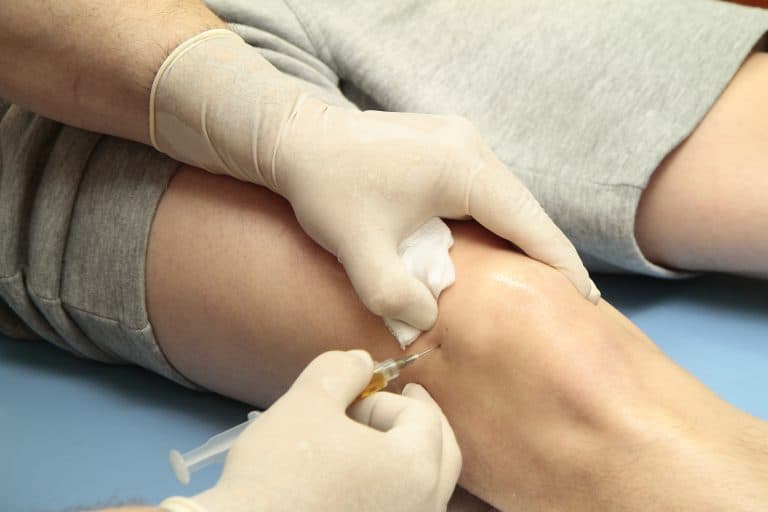
Initial treatments usually focus on physiotherapy to restore function and reduce symptoms. Pain relief, such as anti-inflammatory medication, might be recommended. In some cases, injections—like corticosteroids or newer biologic therapies—can offer targeted symptom relief.
If symptoms persist or the damage is advanced, surgery might be advised. Techniques like microfracture encourage cartilage repair, while more complex procedures aim to restore the joint surface. Choosing surgery involves careful consideration with an experienced specialist.
One of the leading experts, Professor Paul Lee, serves as an Ambassador and Advisor for the Royal College of Surgeons of Edinburgh. He works at the London Cartilage Clinic, where patients benefit from thorough assessments and a team approach to care. The clinic combines expertise with compassionate support to help optimise patient outcomes—without making unrealistic promises.

Living with Ankle Cartilage Damage: Practical Tips and Emotional Wellbeing
Living with ankle cartilage damage means balancing activity and rest carefully. Pacing yourself to avoid flare-ups while preventing inactivity is key. Using supports like ankle braces or walking sticks can improve stability and reduce strain.
Gentle, joint-friendly exercises that focus on stretching and strength-building support long-term joint health. Equally important is looking after your emotional wellbeing. Chronic pain can be frustrating, but setting realistic goals and maintaining a positive mindset can aid adaptation and recovery.
Connecting with support groups or online communities offers valuable encouragement and practical advice. With a combination of informed self-care, sensible lifestyle choices, and professional support, many people continue to enjoy good mobility and quality of life despite cartilage damage.
Conclusion and Disclaimer
Addressing ankle cartilage damage promptly and through a comprehensive approach is essential to preserving joint function and minimising discomfort. While natural strategies and lifestyle habits offer important benefits, professional assessment and tailored treatment remain central. Cartilage injuries can be complex, so working closely with qualified healthcare professionals ensures best outcomes.
For personalised medical advice, please consult a qualified healthcare professional.
References
- Moon, J. S., Shim, J. C., Suh, J. S., & Lee, W. C. (2010). Radiographic predictability of cartilage damage in medial ankle osteoarthritis. Clinical Orthopaedics and Related Research, 468(8), 2188-2197. https://doi.org/10.1007/s11999-010-1352-2
- Dahmen, J., Karlsson, J., Stufkens, S. A. S., & Kerkhoffs, G. M. M. J. (2021). The ankle cartilage cascade: incremental cartilage damage in the ankle joint. Knee Surgery, Sports Traumatology, Arthroscopy, 29(11), 3503-3507. https://doi.org/10.1007/s00167-021-06755-w
- Eerdekens, M., Peerlinck, K., Staes, F., Pialat, J.-B., Hermans, C., Lobet, S., Scheys, L., & Deschamps, K. (2020). Blood-induced cartilage damage alters the ankle joint load during walking. Journal of Orthopaedic Research, 38(11), 2419-2428. https://doi.org/10.1002/jor.24715
Frequently Asked Questions
- Common symptoms of ankle cartilage damage include persistent pain, swelling, stiffness, limited movement, and a feeling of instability around the ankle. If these symptoms occur, a professional assessment at the London Cartilage Clinic can help provide clarity and guidance.
- London Cartilage Clinic offers expert care led by Prof Paul Lee, a Cartilage Specialist, Regional Surgical Ambassador, and Royal College of Surgeons of Edinburgh Advisor. The clinic provides comprehensive assessments, advanced imaging, and a supportive team approach to optimise patient wellbeing.
- Patients receive a thorough examination, potentially including MRI or X-ray scans, to assess cartilage condition. Prof Paul Lee’s expertise ensures a detailed understanding of the issue and helps guide personalised treatment recommendations based on the latest evidence and best practice.
- Non-surgical approaches include maintaining a healthy weight, wearing supportive footwear, engaging in low-impact activities, and tailored physiotherapy. The London Cartilage Clinic team ensures rehabilitation programmes are specific, practical, and designed to fit each individual’s needs.
- With his roles as Cartilage Expert and Royal College of Surgeons of Edinburgh Advisor, Prof Paul Lee brings a high standard of surgical and non-surgical expertise. Patients benefit from his international experience, comprehensive diagnostics, and collaborative approach to complex cartilage conditions.
Legal & Medical Disclaimer
This article is written by an independent contributor and reflects their own views and experience, not necessarily those of London Cartilage Clinic. It is provided for general information and education only and does not constitute medical advice, diagnosis, or treatment.
Always seek personalised advice from a qualified healthcare professional before making decisions about your health. London Cartilage Clinic accepts no responsibility for errors, omissions, third-party content, or any loss, damage, or injury arising from reliance on this material.
If you believe this article contains inaccurate or infringing content, please contact us at [email protected].
London Cartilage Clinic
Modern treatments, designed for lasting knee outcomes
Every treatment plan is selected to help you return to the quality of life you deserve. Our team combines up-to-date techniques with consultant-led decision making across cartilage repair, regeneration and replacement.
What your journey can look like
Step 01
Consultant-Led Assessment
Symptoms, imaging and goals reviewed in one structured appointment.
Step 02
Personalised Treatment Plan
A clear route chosen from repair, regeneration or replacement options.
Step 03
Precision Delivery
Modern techniques and specialist equipment matched to your diagnosis.
Step 04
Long-Term Knee Health
Follow-up guidance focused on durable function and quality of life.
Will the Arthrosamid work for me
PAAG-8+ Questionnaire
A bright, structured entry point for patients exploring Arthrosamid. The questionnaire helps frame suitability, expectations, and 24-month clinical benefit discussion before a fuller consultant-led review.
Designed for shared decision-making. It does not replace specialist consultation, examination, imaging review, or formal medical advice.