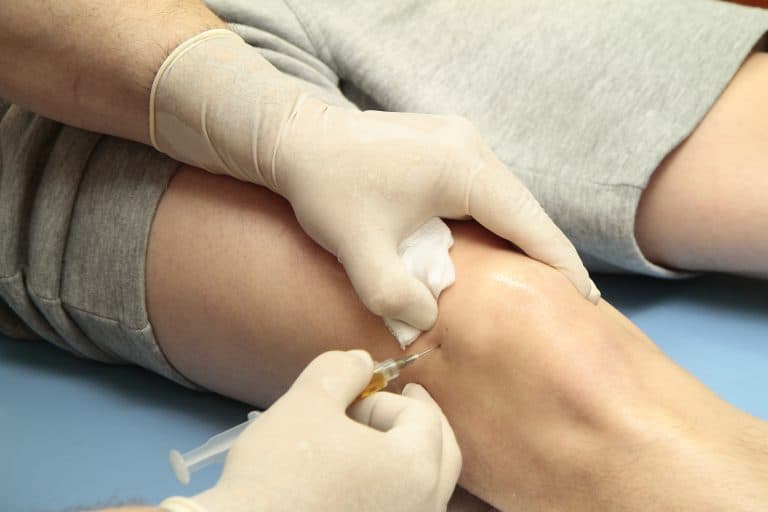



There’s growing interest in natural ways to regrow cartilage, especially for those keen to avoid surgery and maintain healthy joints. Cartilage damage is quite common and can cause ongoing pain and reduced mobility, so it’s no wonder many are curious about whether the body can repair cartilage naturally. In this article, we’ll separate fact from fiction and explore what scientific research really says about natural cartilage regeneration. You’ll find clear explanations to help you make better-informed choices about your joint health.
Understanding Cartilage and Why It’s Hard to Repair
Cartilage is a specialised tissue that cushions your joints, allowing bones to move smoothly without pain. Unlike other tissues, cartilage has no direct blood supply, which makes healing very difficult once it’s damaged. Injuries or wear can gradually break down cartilage, often leading to osteoarthritis – a painful and debilitating joint condition. While it was once thought that cartilage might regenerate naturally over time, we now know this is a very limited process. Understanding these natural challenges helps set realistic expectations for anyone hoping to repair cartilage on their own.
The Science Behind Natural Cartilage Regeneration
Research shows the body can sometimes repair small cartilage injuries, especially in younger, healthier individuals. Factors like your age, the type of injury, and overall health all influence your body’s ability to heal. However, larger or long-term cartilage damage usually won’t heal sufficiently without medical help. Experts such as Professor Paul Lee of the London Cartilage Clinic emphasise these limits. A clinical study using collagen gel implants noted that “all defects could be filled successfully” but cautioned that “further prospective randomised studies with higher case numbers and longer follow-up ... have to be done to evaluate the importance of this new type of treatment” (Schneider, 2016). Advances in treatment also highlight that “cells, scaffold therapies, and injectable agents have emerged as an adjunctive modality to improve clinical outcomes” (Perez-Carro et al., 2021). Another recent study observed that injectable collagen products “stimulat[e] the growth of chondrocytes and the consequent induction of cartilage regeneration” in hand osteoarthritis patients (Corain et al., 2023). These findings underline that while natural repair processes exist, many claims need robust evidence to support them.
Free non-medical discussion
Not sure what to do next?
Information only · No medical advice or diagnosis.
Supplements, Diet, and Lifestyle: What Really Helps?
Supplements like glucosamine, chondroitin, and collagen are popular for joint health, but the scientific evidence is mixed. Some people report reduced symptoms, yet firm proof that these supplements regrow cartilage is limited. Eating a balanced diet rich in anti-inflammatory foods may help overall joint health, but no diet has been proven to directly regenerate cartilage. What has clearer benefits is maintaining a healthy weight, staying active with low-impact exercise, and protecting your joints from excessive strain. It’s important to remain cautiously optimistic about natural remedies and be aware that enthusiasm sometimes exceeds what the evidence supports.

How Natural Methods Compare with Medical Treatments
When cartilage damage is significant, surgical options such as microfracture surgery or autologous chondrocyte implantation offer more reliable repair. Newer techniques, including the use of cell-free collagen gels, have also shown promise. For example, one study found that ChondroFiller liquid “could demonstrate a good immediate filling of all treated defects in the MRI follow-ups,” though long-term results still require verification (Schneider, 2016). In hip cartilage defects, ChondroFiller has been used effectively “in a 1-step arthroscopic procedure” to treat full-thickness lesions (Perez-Carro et al., 2021). Patients with hand osteoarthritis treated with injectable collagen fillers reported “improvement in pain symptoms, associated with an increase in force in the pincer and grip movements” (Corain et al., 2023). While natural strategies form a helpful part of joint care, they are best seen as supportive alongside professional medical treatment. Centres like the London Cartilage Clinic, led by experts such as Professor Lee, provide thorough assessments and personalised plans combining medical interventions with lifestyle advice. It’s always best to consult qualified specialists if you’re considering treatment options.
Setting Realistic Expectations and Seeking Expert Advice
To sum up, the body’s ability to regrow cartilage naturally is limited and rarely enough to repair serious damage. Natural approaches such as supplements, diet, and lifestyle changes can support joint health and ease symptoms but don’t replace professional treatments. If you’re keen to maintain healthy joints, a proactive approach to self-care coupled with expert guidance is the smartest path. Always seek personalised advice from qualified healthcare providers to find the most suitable treatments for your condition.
By unpacking the science behind natural cartilage regeneration and addressing common myths, this article aims to help you make informed and realistic decisions about your joint health. With the right knowledge, you can take responsible steps toward maintaining mobility and comfort.
References
- Schneider, U. (2016). Controlled, randomised multicenter study to compare compatibility and safety of ChondroFiller liquid (cell free 2-component collagen gel) with microfracturing of patients with focal cartilage defects of the knee joint. Visions on Joint Diseases, 5(1).
- Perez-Carro, L., Rosi Mendoza Alejo, P., Gutierrez Castanedo, G., Menendez Solana, G., Fernandez Divar, J. A., Galindo Rubin, P., & Alfonso Fernandez, A. (2021). Hip chondral defects: Arthroscopic treatment with the needle and curette technique and ChondroFiller. Arthroscopy Techniques, 10(6), e1323–e1328. https://doi.org/10.1016/j.eats.2021.03.011
- Corain, M., Zanotti, F., Giardini, M., Gasperotti, L., Invernizzi, E., Biasi, V., & Lavagnolo, U. (2023). The use of an acellular collagen matrix ChondroFiller® Liquid for trapeziometacarpal osteoarthritis. Orthopaedic Journal of Sports Medicine, 11(7), 23259671231182596. https://doi.org/10.1177/19476035251354926
Frequently Asked Questions
- Cartilage has a limited ability to regrow naturally, especially in older adults or with significant damage. While small injuries may sometimes improve, expert guidance, like that of Professor Paul Lee at the London Cartilage Clinic, is often required for optimal outcomes.
- Maintaining a healthy weight, regular low-impact exercise, and a balanced diet may support joint health. However, natural methods rarely regrow cartilage significantly. Consulting specialists at the London Cartilage Clinic ensures you receive evidence-based, personalised joint care strategies.
- Scientific evidence for supplements like glucosamine or collagen directly regrowing cartilage is limited. Some report symptom relief, but these should not replace professional medical assessment. Professor Paul Lee provides robust, evidence-based advice on the most effective options for your specific situation.
- Advanced treatments at the London Cartilage Clinic, led by Prof Paul Lee, offer reliable repair options beyond natural remedies. Medical interventions and new technologies are combined with lifestyle advice for comprehensive care, outperforming unsupported natural methods in restoring function and relieving pain.
- Professor Paul Lee is a respected cartilage expert and surgical ambassador, renowned for innovative treatments and patient-centred care. The London Cartilage Clinic provides thorough assessments and personalised plans, ensuring you benefit from Prof Lee’s extensive experience and the latest advances in cartilage health.
Legal & Medical Disclaimer
This article is written by an independent contributor and reflects their own views and experience, not necessarily those of London Cartilage Clinic. It is provided for general information and education only and does not constitute medical advice, diagnosis, or treatment.
Always seek personalised advice from a qualified healthcare professional before making decisions about your health. London Cartilage Clinic accepts no responsibility for errors, omissions, third-party content, or any loss, damage, or injury arising from reliance on this material.
If you believe this article contains inaccurate or infringing content, please contact us at [email protected].
London Cartilage Clinic
Modern treatments, designed for lasting knee outcomes
Every treatment plan is selected to help you return to the quality of life you deserve. Our team combines up-to-date techniques with consultant-led decision making across cartilage repair, regeneration and replacement.
What your journey can look like
Step 01
Consultant-Led Assessment
Symptoms, imaging and goals reviewed in one structured appointment.
Step 02
Personalised Treatment Plan
A clear route chosen from repair, regeneration or replacement options.
Step 03
Precision Delivery
Modern techniques and specialist equipment matched to your diagnosis.
Step 04
Long-Term Knee Health
Follow-up guidance focused on durable function and quality of life.
Will the Arthrosamid work for me
PAAG-8+ Questionnaire
A bright, structured entry point for patients exploring Arthrosamid. The questionnaire helps frame suitability, expectations, and 24-month clinical benefit discussion before a fuller consultant-led review.
Designed for shared decision-making. It does not replace specialist consultation, examination, imaging review, or formal medical advice.