
Healing Without Surgery: Understanding the Natural Recovery Timeline for ACL Tears
Introduction
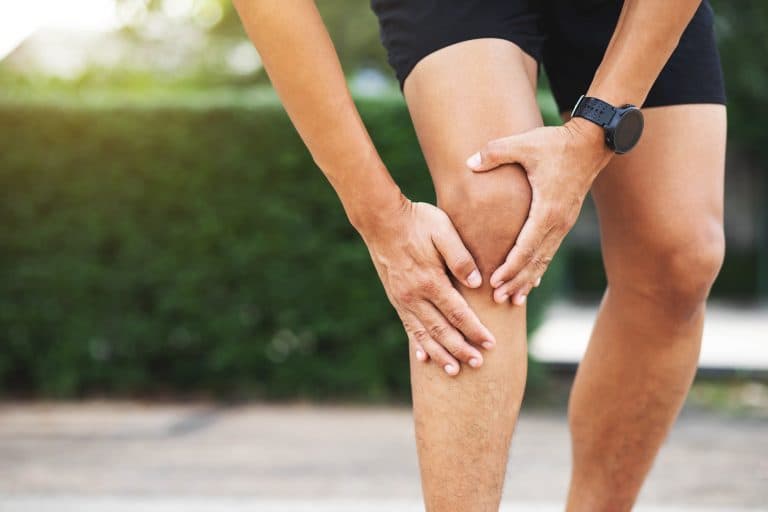
An anterior cruciate ligament (ACL) tear is a common knee injury—one that can feel overwhelming and life-changing. Many people wonder how long it takes to heal naturally, without surgery. While surgery is often recommended, some opt for a non-surgical path to recovery. This article breaks down what to expect during natural healing after an ACL tear , how long it usually takes, and what factors can shape your recovery. By blending science and straightforward explanations, we hope to help you feel informed and supported if you’re considering, or already on, the non-surgical route.
What Is the ACL and Why Does It Matter?
The ACL is a tough band of tissue inside your knee that serves as a stabilizer, preventing your shinbone (tibia) from sliding too far forward beneath your thighbone (femur)—especially when you twist, jump, or pivot. ACL tear s often occur during sports or quick, forceful movements.
When the ACL tear s, your body sets to work with a natural healing response: inflammation, repair, and rebuilding. Non-surgical treatments— like physical therapy and rest—focus on managing pain and swelling, while gradually restoring knee strength and movement. The goal is to help your knee recover as much function as possible without surgical intervention. Recovery timelines can vary significantly depending on individual factors.
Free non-medical discussion
Not sure what to do next?
Information only · No medical advice or diagnosis.
The Natural Healing Process
Early Stage: Reducing Swelling and Protecting the Knee
Immediately after an ACL injury , your body’s response is inflammation—a natural defense mechanism that brings swelling, pain, and stiffness. This phase usually lasts from a few days to several weeks.
The initial priority is to minimize swelling and protect the knee. This typically involves the RICE method: rest, ice, compression, and elevation. Gentle physical therapy may be introduced early, focusing on safe movements that avoid further injury. For most people, this initial stage lasts 1 to 3 weeks, though the exact timing depends on the injury ’s severity and individual healing rates.
Later Stage: Repair and Rehabilitation
Once the inflammation improves, the body begins forming new tissue to repair the torn ligament . This stage can extend for several weeks or even months. You’ll gradually progress to putting more weight on the leg and engaging in specific exercises to strengthen the muscles around your knee , which helps stabilize the joint.
Research suggests that in non-surgical cases, ACL healing often takes between 3 and 9 months, but longer recoveries aren’t unusual. Your healing speed can depend on factors like the extent of the tear, your age, and how consistently you participate in rehabilitation. Everyone heals differently, but patience and dedication to physical therapy can help you regain good knee function and stability.
It’s important to remember that healing major ligaments takes time, just as it does with other musculoskeletal injuries . Even with the best rehabilitation, the process can stretch over many months.

What Influences Your Healing Speed?
Recovery timelines are influenced by several factors. Younger people and those with less severe (partial) tears often heal faster. Complete ligament tears or additional knee injuries may lengthen recovery.
A well-structured rehab program guided by a physical therapist is vital for regaining movement and rebuilding knee strength safely. Lifestyle factors—such as good nutrition , maintaining a healthy weight, and getting enough protein to support tissue repair—also play important roles. On the flip side, high-impact activities, skipping rehab exercises, or having underlying health conditions can slow your progress.
Every person’s ACL is slightly different, which is why individualized care and expert evaluation are essential during recovery. In some cases, even advanced imaging can have trouble determining the extent of a tear, so listening to your body and working closely with healthcare providers is key.
Certain risk factors—including older age, higher body weight, a history of smoking , or thyroid disorders—have been linked to slower recoveries from orthopedic injuries. By tailoring your approach and focusing on overall well-being, you give yourself the best chance for a successful recovery.
People who commit to their rehab program and adapt healthy habits often experience the best results, with many cases regaining stability and function without needing surgery.
Conclusion: What to Keep in Mind
Healing an ACL tear naturally is a gradual journey that usually spans several months. While surgery may be necessary for complete tears or for athletes needing a swift return to high performance, many people recover well without it.
If you choose a non-surgical path, following a personalized physical therapy plan and maintaining healthy habits are your best strategies for recovery. Keep open communication with your healthcare team and stay informed about new research and best practices. By doing so, you’ll help your knee—and your confidence—heal as fully as possible.
References
Günaydın, B., Kurtoğlu Özçağlayan, T. İ., Sever, C., Öznur, M., Çetin, M. Ü., Can, E., & Eren, O. T. (2023). How Many Bundles Does the Anterior Cruciate Ligament Consist of? A Case Report. Sisli Etfal Hastanesi Tip Bulteni / the Medical Bulletin of Sisli Hospital. https://doi.org/10.14744/semb.2022.12844
Lu, Y., Agarwalla, A., Lavoie‐Gagne, O., Patel, B. H., Beletsky, A., Nwachukwu, B. U., Verma, N. N., Cole, B. J., & Forsythe, B. (2022). How Long Does It Take to Achieve Clinically Significant Outcomes After Isolated Biceps Tenodesis? Orthopaedic Journal of Sports Medicine, 10(3). https://doi.org/10.1177/23259671221070857
kashdjx. (2022). [RETRACTED] How Does Heal n Soothe Work so Well? v1. ZappyLab, Inc. https://doi.org/10.17504/protocols.io.kxygxz41wv8j/v1
Legal & Medical Disclaimer
This article is written by an independent contributor and reflects their own views and experience, not necessarily those of London Cartilage Clinic. It is provided for general information and education only and does not constitute medical advice, diagnosis, or treatment.
Always seek personalised advice from a qualified healthcare professional before making decisions about your health. London Cartilage Clinic accepts no responsibility for errors, omissions, third-party content, or any loss, damage, or injury arising from reliance on this material.
If you believe this article contains inaccurate or infringing content, please contact us at [email protected].
London Cartilage Clinic
Modern treatments, designed for lasting knee outcomes
Every treatment plan is selected to help you return to the quality of life you deserve. Our team combines up-to-date techniques with consultant-led decision making across cartilage repair, regeneration and replacement.
What your journey can look like
Step 01
Consultant-Led Assessment
Symptoms, imaging and goals reviewed in one structured appointment.
Step 02
Personalised Treatment Plan
A clear route chosen from repair, regeneration or replacement options.
Step 03
Precision Delivery
Modern techniques and specialist equipment matched to your diagnosis.
Step 04
Long-Term Knee Health
Follow-up guidance focused on durable function and quality of life.
Will the Arthrosamid work for me
PAAG-8+ Questionnaire
A bright, structured entry point for patients exploring Arthrosamid. The questionnaire helps frame suitability, expectations, and 24-month clinical benefit discussion before a fuller consultant-led review.
Designed for shared decision-making. It does not replace specialist consultation, examination, imaging review, or formal medical advice.