


Introduction
Cartilage damage, particularly in the knee, is a widespread issue that often leads to persistent joint pain and can greatly affect everyday activities and mobility. Thanks to advances in medical science, new treatments are emerging to better support cartilage repair. One such innovation is ChondroFiller, an injectable, cell-free therapy designed to promote cartilage healing. This article provides a clear and approachable explanation of what ChondroFiller is, how it works, and its role in modern medical practice.
What Is ChondroFiller?
ChondroFiller is an injectable material that helps repair damaged cartilage without using living cells. Unlike treatments that involve transplanting cells into the joint, ChondroFiller acts as a scaffold that encourages your body’s own cells to regenerate the cartilage naturally. This cell-free approach reduces risks related to cell transplantation. Simply put, ChondroFiller forms a kind of support structure within the joint, helping the body’s natural repair processes to work more effectively.
Why Is There a Need for Innovative Cartilage Repair Methods?
Cartilage has a limited ability to heal itself, making treatment challenging. Traditional methods such as physiotherapy and medication mainly address symptoms rather than restoring damaged tissue. Older surgical techniques tend to be more invasive and have mixed success rates. Many patients continue to struggle with pain, stiffness, and reduced mobility. Modern injectable options, especially cell-free therapies like ChondroFiller, have been developed as less invasive solutions designed to help cartilage regenerate more efficiently.
Free non-medical discussion
Not sure what to do next?
Information only · No medical advice or diagnosis.
How ChondroFiller Is Used — Injectable, Minimally Invasive Treatment
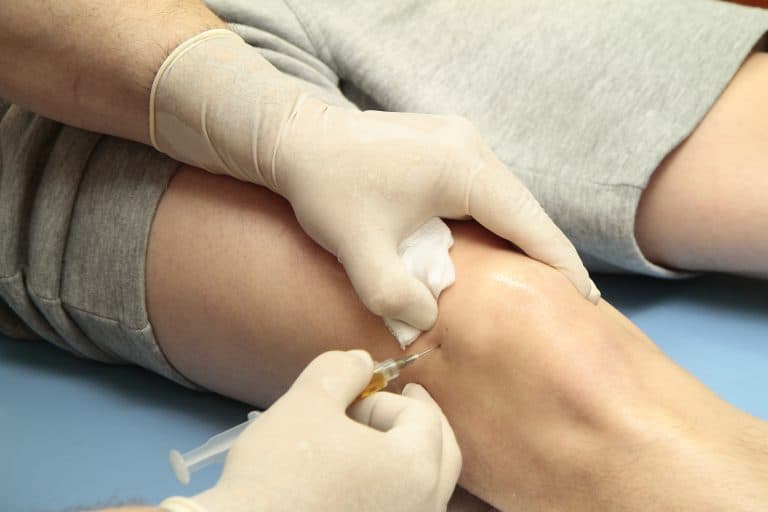
ChondroFiller treatment consists of a simple, minimally invasive injection directly into the damaged joint. Before the procedure, patients have a consultation to determine if they are suitable candidates. The injection is usually done on an outpatient basis, which means less recovery time compared to traditional surgery and fewer risks. Encouragingly, a follow-up study found that “about 80% of patients reported good or very good results and would have the procedure again” (Breil-Wirth et al., 2016). While many experience relief and improved joint function, it is important to have realistic expectations, as results can vary from person to person.

The Professional Approach — Expertise at London Cartilage Clinic
At the London Cartilage Clinic, patients benefit from the care of Professor Paul Lee, an orthopaedic surgeon with extensive experience in cartilage repair and rehabilitation. As Regional Surgical Ambassador and Advisor to the Royal College of Surgeons of Edinburgh, Professor Lee provides expert, patient-focused care in a supportive setting. This ensures patients can confidently explore advanced treatments like ChondroFiller with knowledgeable guidance throughout their recovery.
Who Might Consider ChondroFiller?
ChondroFiller may be a good option for people with certain types of cartilage damage who are looking for less invasive treatments. Suitability depends on factors such as age, activity levels, overall health, and the severity of the cartilage injury. Professional assessment is essential. As clinical practice shows, patients are carefully evaluated using imaging tools like x-rays and MRIs to determine the best approach (Corain et al., 2023). Consulting a specialist orthopaedic surgeon is key to making informed decisions tailored to individual needs.
Conclusion and Disclaimer
In summary, ChondroFiller is a promising, injectable cell-free therapy that supports cartilage repair and joint health. It offers clear advantages over some traditional treatments, but it is vital to seek professional advice before proceeding. For personalised assessment and treatment planning, always consult a qualified healthcare professional.
References
- Corain, M., Zanotti, F., Giardini, M., Gasperotti, L., Invernizzi, E., Biasi, V., & Lavagnolo, U. (2023). The Use of an Acellular Collagen Matrix ChondroFiller® Liquid for Trapeziometacarpal Osteoarthritis. Cartilage. https://doi.org/10.1177/19476035251354926
- Weizel, A., Distler, T., Schneidereit, D., & Friedrich, O. (2020). Complex mechanical behavior of human articular cartilage and hydrogels for cartilage repair. Acta Biomaterialia. https://doi.org/10.1016/j.actbio.2020.10.025
- Breil-Wirth, A., von Engelhardt, L., Lobner, S., & Jerosch, J. (2016). Retrospective study of cell-free collagen matrix for cartilage repair. Orthopädie und Unfallchirurgie—Up2date. https://doi.org/10.3238/oup.2016.0515-0520
Frequently Asked Questions
- ChondroFiller is a cell-free injectable scaffold that supports natural cartilage repair without using transplanted cells. Its minimally invasive nature offers a modern alternative to traditional methods, giving patients a potentially gentler path to recovery and improved joint health.
- London Cartilage Clinic, led by Prof Paul Lee, offers expert, patient-centred care. With advanced techniques like ChondroFiller and a strong track record, the clinic provides high-level assessment and personalised treatment, ensuring every patient is guided through their recovery with professional expertise.
- Prof Paul Lee is a renowned Cartilage Expert, Regional Surgical Ambassador and Advisor to the Royal College of Surgeons of Edinburgh. His extensive experience in cartilage repair and rehabilitation ensures patients benefit from advanced knowledge, evidence-based practice, and trusted orthopaedic care.
- Suitability for ChondroFiller depends on the type and severity of cartilage injury, age, activity, and general health. At London Cartilage Clinic, each patient undergoes thorough evaluation using imaging tools and is individually assessed by Prof Lee to determine the most appropriate approach.
- ChondroFiller is delivered via a simple injection, often avoiding traditional surgery. This means less recovery time and lower risk. London Cartilage Clinic’s evidence-based, patient-focused approach under Prof Lee’s care ensures safe integration of such advanced therapies when appropriate.
Legal & Medical Disclaimer
This article is written by an independent contributor and reflects their own views and experience, not necessarily those of London Cartilage Clinic. It is provided for general information and education only and does not constitute medical advice, diagnosis, or treatment.
Always seek personalised advice from a qualified healthcare professional before making decisions about your health. London Cartilage Clinic accepts no responsibility for errors, omissions, third-party content, or any loss, damage, or injury arising from reliance on this material.
If you believe this article contains inaccurate or infringing content, please contact us at [email protected].
London Cartilage Clinic
Modern treatments, designed for lasting knee outcomes
Every treatment plan is selected to help you return to the quality of life you deserve. Our team combines up-to-date techniques with consultant-led decision making across cartilage repair, regeneration and replacement.
What your journey can look like
Step 01
Consultant-Led Assessment
Symptoms, imaging and goals reviewed in one structured appointment.
Step 02
Personalised Treatment Plan
A clear route chosen from repair, regeneration or replacement options.
Step 03
Precision Delivery
Modern techniques and specialist equipment matched to your diagnosis.
Step 04
Long-Term Knee Health
Follow-up guidance focused on durable function and quality of life.
Will the Arthrosamid work for me
PAAG-8+ Questionnaire
A bright, structured entry point for patients exploring Arthrosamid. The questionnaire helps frame suitability, expectations, and 24-month clinical benefit discussion before a fuller consultant-led review.
Designed for shared decision-making. It does not replace specialist consultation, examination, imaging review, or formal medical advice.