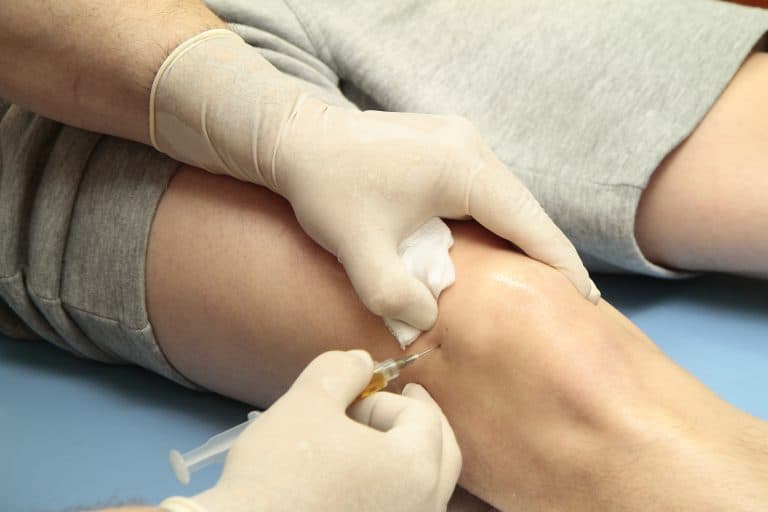



What is the ChondroFiller Procedure?
Simply put, the ChondroFiller procedure is a treatment that aims to repair damaged cartilage—the smooth, flexible tissue that covers the ends of bones in joints like the knee. Cartilage can suffer injury or wear out over time, causing pain and stiffness.
ChondroFiller is typically carried out using keyhole surgery, or arthroscopy, which means only tiny cuts are made. Unlike more invasive surgeries, it does not involve removing any cartilage. Instead, the surgeon injects a special repair material precisely into the damaged area. According to a recent study, ChondroFiller is described as “a liquid cell-free collagen matrix, for the treatment of symptomatic full-thickness chondral defects of the hip in a 1-step arthroscopic procedure” (Perez-Carro et al., 2021). Another report highlights that this material “is a resorbable filler based on type I collagen and a neutralising solution, used to form a protective layer around the cartilage defect while stimulating the growth of chondrocytes and the consequent induction of cartilage regeneration” (Corain et al., 2023). In other words, it acts as a scaffold encouraging your body to heal itself naturally, while minimising the risks often linked with surgery.
How Does ChondroFiller Compare to Other Cartilage Repair Techniques?
There are several treatments for cartilage damage, each varying in complexity. For instance, hyaluronic acid injections mainly lubricate the joint to ease symptoms but don’t repair the cartilage. Stem cell therapy tries to rebuild tissue by harvesting and preparing cells—a process that can be quite involved.
ChondroFiller, by comparison, tends to be quicker and less invasive. It involves a targeted injection during keyhole surgery, meaning only small incisions and minimal disruption. That said, one challenge is that “in many cases the accessibility is not easy, and the distance between the tip of the needle and the area to be treated is such that the efficiency of the release is difficult, if not impossible” (Perez-Carro et al., 2021). Precision is therefore vital to ensure the repair material reaches exactly where it is needed. Encouragingly, real-world outcomes have been positive: a retrospective study described ChondroFiller Liquid as “a safe procedure which was able to provide satisfactory results in these first results” (Breil-Wirth et al., 2016). While every treatment has its right place depending on your needs, ChondroFiller generally offers a convenient, comfortable option with a typically shorter recovery.
Free non-medical discussion
Not sure what to do next?
Information only · No medical advice or diagnosis.
The Role of Expert Care: London Cartilage Clinic and Professor Paul Lee
Expert hands are invaluable for procedures like this. The London Cartilage Clinic brings together specialist knowledge, guided by Professor Paul Lee—an established expert with roles including Regional Surgical Ambassador and Adviser for the Royal College of Surgeons of Edinburgh.
Patients at the clinic benefit from thorough assessments and tailored treatment plans, carefully explained every step of the way. Expert support like this can make your treatment journey clearer and less daunting. Still, it’s important to remember that results differ between individuals, depending on factors such as injury severity and overall health.

Patient Experience and What to Expect
Knowing what lies ahead can help reduce nerves about the ChondroFiller procedure. Before surgery, assessments confirm that it’s the right treatment for you and help plan precisely. On the day, the keyhole surgery is usually swift, involving no cartilage removal, just a carefully targeted injection into the damaged area.
After the procedure, patients receive clear guidance to support healing and help get the best results. Thanks to the minimally invasive nature, many report less discomfort and faster recovery than traditional surgery. Research explains this well: “a simple, inexpensive, and reproducible technique to facilitate the implantation of biologic and injectable materials” benefits patients undergoing modern cartilage repair (Perez-Carro et al., 2021). Furthermore, one study found that “about 80% of the patients indicated good or very good results and would have the operation done again” (Breil-Wirth et al., 2016). Another recent study focusing on hand osteoarthritis observed “an improvement in pain symptoms, associated with an increase in force in the pincer and grip movements evaluated with clinical tests” after ChondroFiller treatment (Corain et al., 2023). With expert care and clear communication, most patients find the experience manageable and reassuring.
Conclusion and Responsible Advice
While all medical procedures come with some level of complexity, ChondroFiller is generally regarded as straightforward when performed by skilled professionals. Its minimally invasive technique and expert oversight make it an accessible and effective choice for many patients.
Of course, every case is unique. For personalised advice tailored to your specific needs, always consult a qualified healthcare professional.
References
- Perez-Carro, L., Rosi Mendoza Alejo, P., Gutierrez Castanedo, G., Menendez Solana, G., Fernandez Divar, J. A., Galindo Rubin, P., & Alfonso Fernandez, A. (2021). Hip Chondral Defects: Arthroscopic Treatment With the Needle and Curette Technique and ChondroFiller. Arthroscopy Techniques, 10(6), e1563-e1569. https://doi.org/10.1016/j.eats.2021.03.011
- Breil-Wirth, A., von Engelhardt, L., Lobner, S., & Jerosch, J. (2016). Retrospective study of cell-free collagen matrix for cartilage repair. Orthopädische und Unfallchirurgische Praxis, 52(5), 515-520. https://doi.org/10.3238/oup.2016.0515-0520
- Corain, M., Zanotti, F., Giardini, M., Gasperotti, L., Invernizzi, E., Biasi, V., & Lavagnolo, U. (2023). The Use of an Acellular Collagen Matrix ChondroFiller® Liquid for Trapeziometacarpal Osteoarthritis. Cartilage, Advance online publication. https://doi.org/10.1177/19476035251354926
Frequently Asked Questions
- ChondroFiller uses a keyhole technique, injecting a collagen matrix to naturally stimulate new cartilage growth. This minimally invasive approach, offered at London Cartilage Clinic under Professor Paul Lee, enhances precision and recovery compared to traditional, more involved therapies.
- London Cartilage Clinic offers specialist care led by Professor Paul Lee, an experienced Cartilage Expert and Royal College of Surgeons adviser. Patients here receive detailed, tailor-made treatment plans, benefiting from expert assessment and the latest minimally invasive techniques in cartilage repair.
- Professor Paul Lee is the Cartilage Expert at London Cartilage Clinic, serving as Regional Surgical Ambassador, Royal College of Surgeons of Edinburgh Ambassador, and Adviser. He is renowned for his expertise in keyhole cartilage repair procedures, ensuring precise, expert care for every patient.
- Prior to the procedure, thorough assessments determine suitability and guide the plan. The keyhole surgery itself is typically quick, involving targeted cartilage injection. Afterwards, patients receive clear recovery advice, benefitting from less discomfort and faster healing in the hands of a specialist team.
- Most patients report good to very good results following ChondroFiller treatment. With Professor Lee’s expert guidance, many find the process manageable and would consider the procedure again, appreciating improvements in pain, movement, and overall confidence in their treatment journey.
Legal & Medical Disclaimer
This article is written by an independent contributor and reflects their own views and experience, not necessarily those of London Cartilage Clinic. It is provided for general information and education only and does not constitute medical advice, diagnosis, or treatment.
Always seek personalised advice from a qualified healthcare professional before making decisions about your health. London Cartilage Clinic accepts no responsibility for errors, omissions, third-party content, or any loss, damage, or injury arising from reliance on this material.
If you believe this article contains inaccurate or infringing content, please contact us at [email protected].
London Cartilage Clinic
Modern treatments, designed for lasting knee outcomes
Every treatment plan is selected to help you return to the quality of life you deserve. Our team combines up-to-date techniques with consultant-led decision making across cartilage repair, regeneration and replacement.
What your journey can look like
Step 01
Consultant-Led Assessment
Symptoms, imaging and goals reviewed in one structured appointment.
Step 02
Personalised Treatment Plan
A clear route chosen from repair, regeneration or replacement options.
Step 03
Precision Delivery
Modern techniques and specialist equipment matched to your diagnosis.
Step 04
Long-Term Knee Health
Follow-up guidance focused on durable function and quality of life.
Will the Arthrosamid work for me
PAAG-8+ Questionnaire
A bright, structured entry point for patients exploring Arthrosamid. The questionnaire helps frame suitability, expectations, and 24-month clinical benefit discussion before a fuller consultant-led review.
Designed for shared decision-making. It does not replace specialist consultation, examination, imaging review, or formal medical advice.