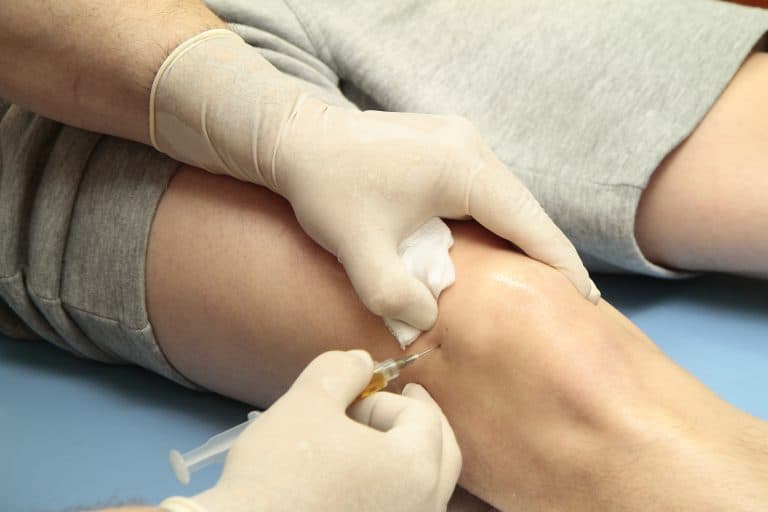



Knee osteoarthritis (OA) is a widespread, chronic condition where the cartilage cushioning your knee slowly wears away. This leads to pain, stiffness, and decreased mobility—affecting millions globally, particularly older adults. In outpatient clinics, it's crucial to offer treatments that are straightforward to deliver and produce reliable results, giving patients faster and steadier relief. Two injectable options gaining traction for knee OA are platelet-rich plasma (PRP) and Arthrosamid . While both are used to ease symptoms, they differ in their mechanisms, preparation, and consistency of results. In this article, we’ll compare PRP and Arthrosamid , focusing on how they work, ease of use, predictability, and their use at the London Cartilage Clinic .
Understanding PRP in Knee Osteoarthritis
Platelet-rich plasma (PRP) therapy uses the patient’s own blood. A sample is drawn and then spun in a centrifuge to concentrate platelets, which are rich in natural growth factors that can encourage your body to repair tissue and calm inflammation. This concentrated PRP is then injected directly into the affected knee joint .
Research shows that PRP, particularly when prepared to be low in white blood cells (leukocyte-poor), can improve knee function and ease pain for up to two years. These benefits are typically measured using patient questionnaires, like the International Knee Documentation Committee (IKDC) and the Knee Injury and Osteoarthritis Outcome Score (KOOS). However, the method of preparing PRP varies—some clinics use a single centrifuge spin, others use two—which can impact quality and effectiveness. The actual concentration of platelets also plays a role in treatment success. Preparing PRP requires specialized equipment and trained staff, and its quality can vary from patient to patient, leading to less predictable outcomes.
Introducing Arthrosamid: a Novel Hydrogel Therapy
Arthrosamid approaches knee OA differently. It's a gel-like substance, made mostly of water and a synthetic material called polyacrylamide hydrogel . Once injected into the knee, it acts as a shock absorber, restoring comfort and easy movement by supplementing the joint’s natural fluid.
The Arthrosamid procedure is simple and quick: a single injection under local anaesthetic, typically guided by ultrasound to ensure accurate placement. The gel comes preloaded in a syringe, so it requires little preparation or specialized equipment—making it perfect for outpatient settings.
Clinical studies have shown Arthrosamid can provide lasting pain relief for up to two years or more, with significant improvements reported by most patients. It has a strong safety record, with most side effects mild and short-lived, such as temporary injection site discomfort. The hydrogel integrates into the joint tissue, helping to preserve its cushioning effect over time.
Evaluating Simplicity: Procedure Workflow
When considering how easy each treatment is to deliver, Arthrosamid clearly stands out. PRP therapy involves several steps: drawing blood, centrifuging it (sometimes twice), preparing the PRP, and finally, injecting it into the knee. The process calls for dedicated machines and properly trained staff, making it more time-consuming and logistically challenging, especially for busy clinics.
By contrast, Arthrosamid arrives ready to use and can be administered in just a few minutes with local anaesthetic and ultrasound assistance. This efficient approach reduces the risk of technical errors and streamlines clinic operations. For outpatient centers handling a large number of patients, Arthrosamid ’s straightforward workflow can save both time and resources.
Free non-medical discussion
Not sure what to do next?
Information only · No medical advice or diagnosis.
Assessing Predictability: Clinical Outcomes
Predictable results are important for clinicians and patients alike. Arthrosamid has demonstrated consistent improvement in pain and joint function scores, often sustained for up to two years. Its effectiveness appears similar across different age groups and levels of arthritis severity, making it easier for doctors to set patient expectations and plan care.
In comparison, results with PRP can vary significantly. Factors such as a patient’s age, overall health, and even the exact way PRP is prepared can all influence effectiveness. While recent studies suggest that cord blood-derived PRP may perform better than traditional PRP in some cases, outcomes still tend to be more unpredictable than those seen with Arthrosamid . The stable results and low rate of side effects make Arthrosamid a dependable choice for clinicians seeking reliability.

Professional Insight: Professor Paul Lee and the London Cartilage Clinic
Professor Paul Lee , a respected expert in orthopaedics and rehabilitation, leads the London Cartilage Clinic. The clinic provides a professional, patient-centered environment, offering both PRP and Arthrosamid according to the latest evidence and best practices. Their multidisciplinary team carefully evaluates each patient’s unique needs, ensuring the most appropriate treatment is selected.
This personalized and modern approach helps maximize symptom relief and functional improvement, delivering streamlined, positive patient experiences while staying mindful of current treatment limitations.
Conclusion
In summary, Arthrosamid is an appealing option for outpatient clinics thanks to its simple delivery and consistent, predictable results. PRP remains a valuable alternative, particularly for those seeking an autologous treatment, though its variable preparation methods and outcomes require more careful consideration.
Selecting the right treatment always depends on each patient’s circumstances, available resources, and clinical judgment. For tailored medical advice, it’s important to consult a qualified healthcare professional.
References
Gao, H. C. K., Akhtar, M., Creedon, C., Nar, Ö. O., Verma, T., & Lee, P. Y. F. (2025). Polyacrylamide hydrogel injections in knee osteoarthritis: A PROMs-based 24 month cohort study. Journal of Clinical Orthopaedics and Trauma. https://doi.org/10.1016/j.jcot.2025.103136
Umer, M., Abdullah, M., Ali, L., Ahmad, K., & Mumtaz, K. (2025). Umbilical cord PRP is better in relieving pain in patients of knee osteoarthritis as compared to autologous venous PRP. Annals of Pims-Shaheed Zulfiqar Ali Bhutto Medical University, 21(3), 585-589.
Frequently Asked Questions
- London Cartilage Clinic combines a patient-focused approach with advanced, evidence-based therapies under Professor Paul Lee’s leadership. Their multidisciplinary expertise and up-to-date methods mean patients receive personalised care in a professional environment renowned for efficiency and outstanding treatment outcomes.
- Professor Paul Lee is an esteemed expert with extensive experience in orthopaedics and rehabilitation. His involvement ensures rigorous assessment and the latest practices guide each treatment, maximising safety and potential outcomes for patients choosing either PRP or Arthrosamid therapies.
- Arthrosamid is administered through a straightforward, single injection process, guided by local anaesthetic and ultrasound. This efficient method requires minimal equipment, reduces technical errors, and is ideal for busy outpatient settings, making it a practical option for patients at the clinic.
- Some patients prefer PRP because it utilises their own blood, providing a natural, autologous approach. At London Cartilage Clinic, PRP is prepared using best practices and advanced techniques, helping to maximise the chances of symptom relief and functional improvement for suitable candidates.
- The London Cartilage Clinic’s multidisciplinary team carefully assesses each patient’s condition and circumstances. This personalised approach ensures that the selected therapy—whether PRP or Arthrosamid—matches the patient’s clinical requirements and is supported by current evidence and clinical expertise.
Legal & Medical Disclaimer
This article is written by an independent contributor and reflects their own views and experience, not necessarily those of London Cartilage Clinic. It is provided for general information and education only and does not constitute medical advice, diagnosis, or treatment.
Always seek personalised advice from a qualified healthcare professional before making decisions about your health. London Cartilage Clinic accepts no responsibility for errors, omissions, third-party content, or any loss, damage, or injury arising from reliance on this material.
If you believe this article contains inaccurate or infringing content, please contact us at [email protected].
London Cartilage Clinic
Modern treatments, designed for lasting knee outcomes
Every treatment plan is selected to help you return to the quality of life you deserve. Our team combines up-to-date techniques with consultant-led decision making across cartilage repair, regeneration and replacement.
What your journey can look like
Step 01
Consultant-Led Assessment
Symptoms, imaging and goals reviewed in one structured appointment.
Step 02
Personalised Treatment Plan
A clear route chosen from repair, regeneration or replacement options.
Step 03
Precision Delivery
Modern techniques and specialist equipment matched to your diagnosis.
Step 04
Long-Term Knee Health
Follow-up guidance focused on durable function and quality of life.
Will the Arthrosamid work for me
PAAG-8+ Questionnaire
A bright, structured entry point for patients exploring Arthrosamid. The questionnaire helps frame suitability, expectations, and 24-month clinical benefit discussion before a fuller consultant-led review.
Designed for shared decision-making. It does not replace specialist consultation, examination, imaging review, or formal medical advice.