Introduction
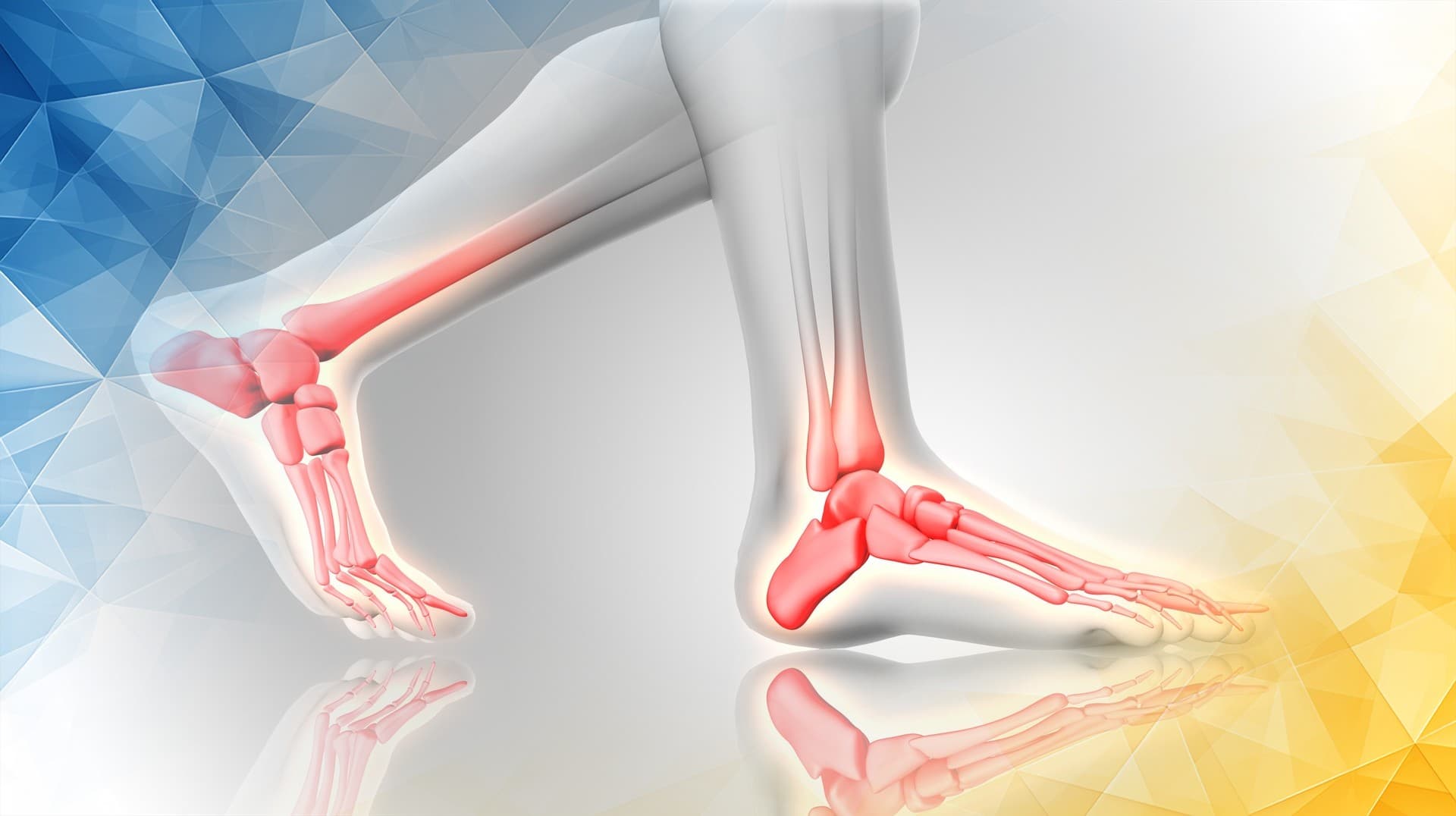
Ankle cartilage damage happens when the smooth, protective tissue lining the ankle joint becomes worn or injured, which affects how the joint moves and absorbs shock. This can seriously impact mobility and overall quality of life. Such injuries are quite common and affect people of all ages and activity levels—from sporty young adults to older individuals experiencing joint wear and tear. In this article, we’ll explore the latest therapy options, explain why following a proper recovery plan matters, and highlight the importance of expert guidance for the best possible outcomes.
What Causes Ankle Cartilage Damage?
There are several reasons why ankle cartilage may become damaged. Sudden trauma, like fractures or severe sprains, and sports injuries are common triggers. Over time, natural wear and tear linked to ageing or conditions such as arthritis can also contribute. Lifestyle factors, like repetitive strain from high-impact activities or jobs requiring long periods on your feet, can speed this process up. This damage often develops gradually in what’s known as the ‘ankle cartilage cascade’, where small injuries build up over time (Dahmen et al., 2021). Certain groups, such as adults with haemophilia, may face additional risks—“ankle cartilage damage due to repeated joint bleeds often leads to altered walking patterns” (Eerdekens et al., 2020). Spotting these causes early and getting the right medical assessment can help slow down further damage and protect your joint health long term.
Recognising Symptoms and Diagnosis
It’s important to recognise the signs of ankle cartilage damage, which often include persistent pain, swelling around the joint, reduced movement, and a feeling that the ankle might give way. Diagnosing the problem starts with a careful clinical examination and a discussion about symptoms and medical history. Imaging methods, particularly MRI scans, are essential because they provide clear pictures of the cartilage and joint structures. Radiographic grading has also proven helpful in assessing ankle osteoarthritis and predicting cartilage damage, offering valuable guidance for treatment choices (Moon et al., 2010). An accurate diagnosis is critical—it allows healthcare professionals to tailor treatments specifically to your needs.
Free non-medical discussion
Not sure what to do next?
Information only · No medical advice or diagnosis.
Modern Therapies and Recovery Pathways
Treatment for ankle cartilage damage ranges from non-surgical methods to surgeries, depending on how serious the injury is. Non-surgical care often involves changing lifestyle habits to reduce joint strain, physical therapy to rebuild strength and function, and pain management. When needed, surgeries like microfracture or cartilage repair help stimulate new cartilage growth or fix damaged areas.
Recovery times can vary based on the treatment type, your overall health, and how carefully you follow rehab advice. There is growing interest in nutritional strategies and supplements that might support cartilage health, but these should complement, not replace, established treatments. Importantly, studies show that “including talar tilting in grading systems improves how well cartilage damage is assessed,” which helps clinicians plan better treatment strategies (Moon et al., 2010). Expert specialists like Professor Paul Lee and teams at centres such as the London Cartilage Clinic provide tailored, patient-focused plans that maximise recovery success.

Rehabilitation, Prevention, and Long-term Joint Health
Rehabilitation plays a key role once treatment has started. Following a structured programme helps restore ankle movement, manage pain, and encourage damaged tissue to heal. Exercises are carefully chosen to improve strength, flexibility, and balance while avoiding overload on the joint. It’s also important to modify activities where needed and use protective measures like supportive footwear or ankle braces to safeguard your joints over time.
Understanding the “step-by-step progression of cartilage damage” emphasises how vital early and continuous care is to protect your ankle (Dahmen et al., 2021). In addition, research shows that patients with severe ankle cartilage damage, such as those with haemophilia, experience notable reductions in ankle joint function during walking (Eerdekens et al., 2020). While innovative treatments for cartilage regeneration are under development, the best outcomes currently come from a comprehensive approach involving professional support, prevention strategies, and consistent rehabilitation.
Conclusion
Effectively managing ankle cartilage damage requires a multi-faceted approach: accurate diagnosis, personalised treatment, and dedicated recovery. Working with experienced clinicians and receiving care in a supportive environment help ensure the best chance of returning to an active and pain-free life. If you have concerns about ankle pain or injury, always seek advice from a qualified healthcare professional.
References
- Moon, J.-S., Shim, J. C., Suh, J.-S., & Lee, W.-C. (2010). Radiographic predictability of cartilage damage in medial ankle osteoarthritis. Clinical Orthopaedics and Related Research, 468(8), 2188–2197. https://doi.org/10.1007/s11999-010-1352-2
- Dahmen, J., Karlsson, J., Stufkens, S. A. S., & Kerkhoffs, G. M. M. J. (2021). The ankle cartilage cascade: incremental cartilage damage in the ankle joint. Knee Surgery, Sports Traumatology, Arthroscopy, 29(11), 3503-3507. https://doi.org/10.1007/s00167-021-06755-w
- Eerdekens, M., Peerlinck, K., Staes, F., Pialat, J.-B., Hermans, C., Lobet, S., Scheys, L., & Deschamps, K. (2020). Blood-induced cartilage damage alters the ankle joint load during walking. Journal of Orthopaedic Research, 38(11), 2419–2428. https://doi.org/10.1002/jor.24715
Frequently Asked Questions
- Ankle cartilage damage may result from sudden injuries, repetitive strain, ageing, or medical conditions. Early detection and prompt assessment by experts at London Cartilage Clinic, led by Professor Paul Lee, can help patients protect joint health and maintain mobility.
- London Cartilage Clinic, led by Professor Paul Lee—a recognised cartilage expert—offers patient-focused, tailored treatment plans utilising the latest therapies and diagnostic tools, aiming for excellent recovery while prioritising patient safety and individual wellbeing throughout the process.
- Professor Paul Lee is a distinguished Regional Surgical Ambassador and advisor to various Royal Colleges. His expertise allows for precise diagnosis and care, supported by cutting-edge approaches, which contribute to the high standards of the London Cartilage Clinic.
- Diagnosis involves thorough clinical examination, symptom discussion, and advanced imaging such as MRI. Expert interpretation, as provided by specialists at London Cartilage Clinic, ensures treatments are tailored for each patient, supporting better outcomes and faster recovery.
- Rehabilitation, guided by the London Cartilage Clinic, is key to regaining joint function, managing pain, and preventing future problems. Professor Lee's team uses structured programmes that focus on strength, balance, and safe activity modifications to optimise long-term joint health.
Legal & Medical Disclaimer
This article is written by an independent contributor and reflects their own views and experience, not necessarily those of London Cartilage Clinic. It is provided for general information and education only and does not constitute medical advice, diagnosis, or treatment.
Always seek personalised advice from a qualified healthcare professional before making decisions about your health. London Cartilage Clinic accepts no responsibility for errors, omissions, third-party content, or any loss, damage, or injury arising from reliance on this material.
If you believe this article contains inaccurate or infringing content, please contact us at [email protected].
London Cartilage Clinic
Modern treatments, designed for lasting knee outcomes
Every treatment plan is selected to help you return to the quality of life you deserve. Our team combines up-to-date techniques with consultant-led decision making across cartilage repair, regeneration and replacement.
What your journey can look like
Step 01
Consultant-Led Assessment
Symptoms, imaging and goals reviewed in one structured appointment.
Step 02
Personalised Treatment Plan
A clear route chosen from repair, regeneration or replacement options.
Step 03
Precision Delivery
Modern techniques and specialist equipment matched to your diagnosis.
Step 04
Long-Term Knee Health
Follow-up guidance focused on durable function and quality of life.
Will the Arthrosamid work for me
PAAG-8+ Questionnaire
A bright, structured entry point for patients exploring Arthrosamid. The questionnaire helps frame suitability, expectations, and 24-month clinical benefit discussion before a fuller consultant-led review.
Designed for shared decision-making. It does not replace specialist consultation, examination, imaging review, or formal medical advice.