


Unlocking Knee Strength: Science-Backed Low-Impact Workouts for Cartilage Support and Lasting Joint Health
Introduction
Knee discomfort is a common problem that can make everyday activities difficult and reduce your overall quality of life. However, knee pain doesn’t always mean surgery is the only option. There are effective non-surgical ways to improve joint health and regain mobility. In this article, we’ll explore practical, science-based low-impact exercises designed to strengthen your knees and support the delicate cartilage within them. Whether you’re just starting out or have some experience with exercise, these expert-backed strategies will help you build lasting joint strength and avoid surgery. We also highlight the work of Professor Paul Lee and the London Cartilage Clinic, both renowned for their professional expertise and supportive approach to recovery.
The Science Behind Low-Impact Movement and Cartilage Health
The cartilage in your knees—a smooth tissue that cushions and protects the joint—is sensitive to repeated heavy impact, especially if your knees are already sore or injured. Too much strain can worsen damage and slow down healing. That’s where low-impact movement comes in. Gentle, controlled exercise helps nourish and repair cartilage by encouraging fluid flow and bringing vital nutrients to the area.
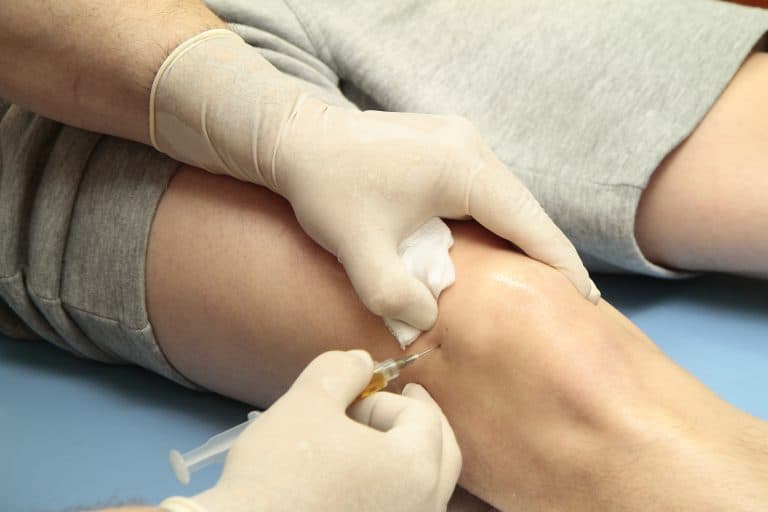
Recent research has highlighted the growing role of innovative treatments alongside exercise. For example, “cells, scaffold therapies, and injectable agents have emerged as an adjunctive modality to improve clinical outcomes” for cartilage repair (Perez-Carro et al., 2021). One such treatment, ChondroFiller Liquid®, is a collagen-based, cell-free gel that “forms a protective layer around the cartilage defect while stimulating the growth of cartilage cells and encouraging regeneration” (Corain et al., 2023). Clinical trials have also shown that this treatment is safe, simple to use, and effective in filling cartilage defects (Schneider, 2016). Alongside such innovations, knee strengthening exercises remain vital — they increase muscle support around the joint, reduce cartilage stress, and improve overall stability.
Best Low-Impact Exercises for Healthy Knees
Many low-impact activities are excellent for strengthening knee cartilage and promoting joint stability without causing additional damage:
- Cycling: Smooth, rhythmic pedalling strengthens key muscles like the quadriceps without jarring the knee joint.
- Swimming: Water supports your body, allowing full movement of the knee with very little weight on the joint.
- Rowing: Combines strength and cardio, working your legs through controlled motion.
- Walking: Particularly on flat, even surfaces, walking gently boosts joint function over time.
These activities are widely recommended by orthopaedic specialists as some of the most effective “best exercises for knee cartilage.” In fact, thanks to advances in both therapy and technology, “biologic and injectable materials” like ChondroFiller® now work hand-in-hand with exercise to treat even more severe cartilage damage (Perez-Carro et al., 2021). It’s also worth noting that when it comes to joint care, “physical examination and clinical history are still the basic and low-cost diagnostic methods” — simple steps that remain crucial in tracking your progress and treatment success (Corain et al., 2023).
Free non-medical discussion
Not sure what to do next?
Information only · No medical advice or diagnosis.
Exercise Routines for Beginners and Intermediate Levels
Ready to get started? Below are two structured routines tailored to your fitness level. They focus on strengthening muscles around the knee to build support and improve stability.
- Beginner Routine: Try 2 sets of 10 repetitions for each exercise, resting for 30 seconds between sets. Good starting options include seated leg lifts, gentle partial squats using a sturdy chair for balance, and calf raises.
- Intermediate Routine: Increase to 3 sets of 15 repetitions, with 45 seconds’ rest between sets. Add in dynamic exercises such as step-ups, wall sits, and resistance band work that targets hips and thighs.
Always focus on proper form—this helps prevent injury and gets the most from every movement. Aim to exercise 3 to 4 times a week, building progress gradually and consistently. Best of all, these routines require minimal equipment and can easily be done at home.

Why Stretching and Mobility Matter
Stretching and gentle mobility exercises are just as important as strengthening. They help keep your knees flexible, reduce stiffness, and maintain the joint’s natural range of motion. Include moves like hamstring stretches, calf stretches against a wall, and slow, controlled knee bends.
Hold each stretch for 20–30 seconds and repeat 2 to 3 times, preferably after your workouts or on rest days. These activities help ease tension and support cartilage health, working alongside strengthening exercises to keep your knees moving comfortably.
Expert Advice for Safe Home Workouts and When to Seek Help
When exercising at home, start slowly and listen carefully to how your body feels. Avoid any moves that cause sharp or lingering pain. Wearing supportive shoes and working out in a safe, stable environment will help prevent falls or injuries.
If you notice swelling, instability, or persistent discomfort despite adjusting your routine, it’s important to consult a healthcare professional. Professor Paul Lee, an expert in orthopaedics and rehabilitation, leads the London Cartilage Clinic — a centre dedicated to guiding patients through safe, non-surgical recovery plans. Their support ensures you regain knee function effectively and with confidence.
Conclusion and Responsible Disclaimer
Low-impact, evidence-based exercise is a powerful way to strengthen your knees and support cartilage health for the long term. By following expert guidance and combining exercise with advances in treatment, you can improve joint stability and reduce the need for surgery. Remember, taking an active role in your joint wellbeing matters — and don’t hesitate to seek personalised advice whenever needed. For individual medical concerns, always consult a qualified healthcare professional.
References
Perez-Carro, L., Rosi Mendoza Alejo, P., Gutierrez Castanedo, G., Menendez Solana, G., Fernandez Divar, J. A., Galindo Rubin, P., & Alfonso Fernandez, A. (2021). Hip chondral defects: Arthroscopic treatment with the needle and curette technique and ChondroFiller. EATS. https://doi.org/10.1016/j.eats.2021.03.011
Corain, M., Zanotti, F., Giardini, M., Gasperotti, L., Invernizzi, E., Biasi, V., & Lavagnolo, U. (2023). The use of an acellular collagen matrix ChondroFiller® Liquid for trapeziometacarpal osteoarthritis. Cartilage. https://doi.org/10.1177/19476035251354926
Schneider, U. (2016). Controlled, randomized multicenter study to compare compatibility and safety of ChondroFiller liquid (cell free 2-component collagen gel) with microfracturing of patients with focal cartilage defects of the knee joint. Journal. https://doi.org/10.5348/VNP05-2016-1-OA-1
Frequently Asked Questions
- Low-impact exercises, such as cycling and swimming, nourish knee cartilage by encouraging fluid movement. These activities strengthen muscles around the knee, improving stability without excessive stress. The London Cartilage Clinic can advise on integrating safe, effective routines tailored to your needs.
- London Cartilage Clinic utilises advanced therapies like ChondroFiller Liquid®, a collagen-based gel supporting cartilage regeneration. Professor Paul Lee, a cartilage expert and Royal College of Surgeons advisor, offers comprehensive care combining such treatments with evidence-based rehabilitation for optimal patient outcomes.
- Professor Paul Lee is a recognised cartilage expert, surgical ambassador, and trusted advisor at the Royal College of Surgeons of Edinburgh. His extensive experience and tailored patient-centred approach ensure that you receive the highest standards in both diagnosis and non-surgical recovery.
- Professor Lee and his team recommend activities such as cycling, swimming, walking and rowing. These strengthen important muscle groups, improve joint support and promote cartilage health. The clinic provides expert guidance on incorporating these exercises safely for each individual.
- If you experience swelling, instability, or ongoing pain even after adjusting your exercise routine, it is time to seek professional advice. The London Cartilage Clinic, led by Professor Lee, excels in providing personalised assessments and comprehensive non-surgical management for knee issues.
Legal & Medical Disclaimer
This article is written by an independent contributor and reflects their own views and experience, not necessarily those of London Cartilage Clinic. It is provided for general information and education only and does not constitute medical advice, diagnosis, or treatment.
Always seek personalised advice from a qualified healthcare professional before making decisions about your health. London Cartilage Clinic accepts no responsibility for errors, omissions, third-party content, or any loss, damage, or injury arising from reliance on this material.
If you believe this article contains inaccurate or infringing content, please contact us at [email protected].
London Cartilage Clinic
Modern treatments, designed for lasting knee outcomes
Every treatment plan is selected to help you return to the quality of life you deserve. Our team combines up-to-date techniques with consultant-led decision making across cartilage repair, regeneration and replacement.
What your journey can look like
Step 01
Consultant-Led Assessment
Symptoms, imaging and goals reviewed in one structured appointment.
Step 02
Personalised Treatment Plan
A clear route chosen from repair, regeneration or replacement options.
Step 03
Precision Delivery
Modern techniques and specialist equipment matched to your diagnosis.
Step 04
Long-Term Knee Health
Follow-up guidance focused on durable function and quality of life.
Will the Arthrosamid work for me
PAAG-8+ Questionnaire
A bright, structured entry point for patients exploring Arthrosamid. The questionnaire helps frame suitability, expectations, and 24-month clinical benefit discussion before a fuller consultant-led review.
Designed for shared decision-making. It does not replace specialist consultation, examination, imaging review, or formal medical advice.