

Understanding the Differences Between ACL Rupture and Tear: What You Need to Know
Introduction
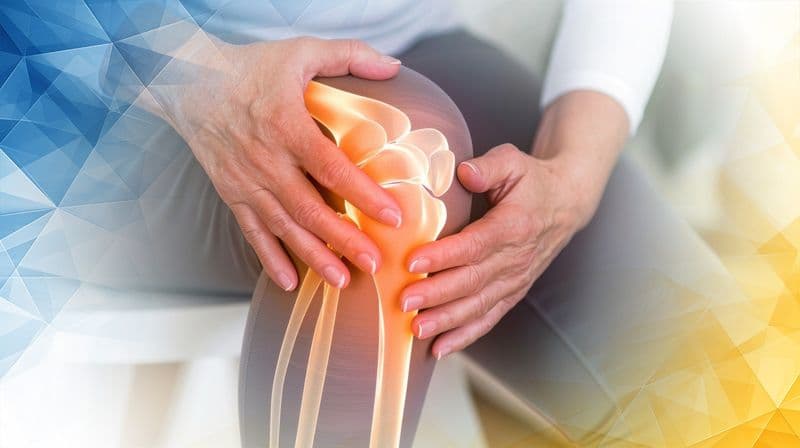
Injuries to the anterior cruciate ligament (ACL) are among the most common—and most challenging—problems for athletes and active people alike. The ACL is a key ligament in your knee that helps keep it stable when you move. When it’s injured, it can have a big impact on your ability to walk, run, or play sports. You might often hear doctors or coaches talk about “ ACL rupture s” and “ ACL tear s”—sometimes using the terms as if they mean the same thing. But there are important differences, and understanding them can help you know what to expect in terms of treatment and recovery. In this article, we’ll break down what separates an ACL rupture from a tear, how these injuries are diagnosed, and what recovery can look like.
What Are ACL Ruptures and Tears?
The ACL is a strong, rope-like band inside your knee that keeps the shinbone (tibia) from sliding forward too much underneath the thighbone (femur). When it’s damaged, doctors usually call it either a tear or a rupture. An ACL tear can range from a small, partial injury where just a few ligament fibers are affected, to a complete tear. An ACL rupture , on the other hand, nearly always means a full-thickness break—the ligament is completely snapped, often from a major twist or blow.
Why does this matter? The exact type and severity of the injury determines how unstable your knee will feel and what treatment you might need. Sometimes, partial ACL tears can heal with rest, rehabilitation, and physical therapy —especially if the damage isn’t too serious or if it’s accompanied by a certain type of cartilage (meniscal) injury. Full ruptures, however, make the knee much less stable and usually require surgery to repair.
Doctors often use MRI scans to tell the difference between a partial tear and a complete rupture. Knowing the difference is essential because it shapes your treatment plan and sets the stage for your recovery.
It’s also worth noting how common these injuries are. Most ACL injuries —almost 80%—are "noncontact," which means they happen without a collision, often during a sudden pivot or awkward landing. Unfortunately, re-injury after ACL surgery is a real concern, with some research suggesting rates as high as 35%. Family history and gender can also play a role; studies show that women and people with siblings who’ve had ACL injuries are at greater risk.
Free non-medical discussion
Not sure what to do next?
Information only · No medical advice or diagnosis.
How Do ACL Injuries Present and How Are They Diagnosed?
People with ACL injuries typically experience sudden pain and swelling in the knee, often right after a jump, pivot, or awkward stop. The knee often feels unstable or like it could "give out." For complete ruptures, symptoms are usually more dramatic: rapid swelling, severe pain, and an immediate decrease in knee stability. Partial tears can be less obvious, with milder swelling and some stability remaining.
MRI scans are the gold standard for diagnosing the extent of ACL injuries . On the scan, a rupture shows up as a complete, clear break, while a partial tear appears as a thinned or irregular ligament. This detailed look guides your doctor in recommending the best path forward—whether that’s physical therapy or surgery.
Recovery time depends on the severity of the injury. Partial tears can often heal more quickly, sometimes with just a few months of rehab, while ruptures usually require surgery and up to a year of structured recovery. The way the injury happens also matters: ACL injuries often occur during jumping or cutting maneuvers, sudden stops, or excessive bending or stretching of the knee .
Beyond the injury itself, other factors can raise your risk. For example, women and people with siblings who’ve suffered ACL injuries are more likely to experience a rupture themselves. Knowing your risk factors can help you take preventive steps and be more mindful during activity.

Treatment Choices and What to Expect in Recovery
There are two main ways to treat ACL injuries : non-surgical (conservative) management and surgery. Conservative treatment includes targeted physical therapy to strengthen the muscles around your knee and restore balance and flexibility. This option works well for certain partial tears or for people who don’t plan to return to high-impact sports.
Surgical options often involve reconstructing the ACL with a graft, usually taken from another tendon , or sometimes repairing the original ligament if it’s a newer injury. For most complete ruptures—especially in active individuals—surgery is the best way to restore full stability and reduce the risk of further damage.
One common question is whether a completely torn ACL can heal on its own. For most people, particularly athletes, the answer is no. Conservative rehab may help restore some function, but only surgery can fully restore normal knee stability after a rupture.
Choosing the right treatment involves looking at your age, activity level, goals, and the specific damage to your knee . Surgery soon after injury can lower the chances of further meniscal tears or other knee problems down the line. Follow-up care is crucial: most re-injuries happen within the first two years after surgery, so early monitoring really matters.
Conclusion: Why Knowing the Difference Matters
Understanding the difference between an ACL rupture and a tear isn’t just technical jargon—it’s vital to getting the right care. The severity of your ACL injury will shape every step of your treatment and recovery. While partial tears may sometimes heal with good rehab and rest, ruptures often require surgical reconstruction to restore full function.
Being clear about your injury helps you, your doctor, and your rehab team make the best choices—boosting your odds of a strong recovery. With better diagnostic tools and individualized treatment plans, there’s more hope than ever for returning to the activities you love. Whether you’re an athlete or just want to stay active and healthy, knowing your options can help you protect your knees for years to come.
References
Tatari, M. H., & Guliyev, V. (2014). Incidence of meniscal tears accompanying ACL ruptures. Orthopaedic Journal of Sports Medicine, 2(11_suppl3). https://doi.org/10.1177/2325967114s00121
Stoehr, A., Wondrasch, B., & Mayr, H.O. (2014). Prevention of ACL tear and rerupture. In . Springer Berlin Heidelberg. https://doi.org/10.1007/978-3-642-45349-6_43
Mardani-Kivi, M., Karimi Mobarakeh, M., Keyhani, S., Ebrahim-Zadeh, M.-H., & Azari, Z. (2019). Contralateral and siblings’ knees are at higher risk of ACL tear for patients with a positive history of ACL tear. Knee Surgery Sports Traumatology Arthroscopy, 28(2), 622–628. https://doi.org/10.1007/s00167-019-05781-z
Legal & Medical Disclaimer
This article is written by an independent contributor and reflects their own views and experience, not necessarily those of London Cartilage Clinic. It is provided for general information and education only and does not constitute medical advice, diagnosis, or treatment.
Always seek personalised advice from a qualified healthcare professional before making decisions about your health. London Cartilage Clinic accepts no responsibility for errors, omissions, third-party content, or any loss, damage, or injury arising from reliance on this material.
If you believe this article contains inaccurate or infringing content, please contact us at [email protected].
London Cartilage Clinic
Modern treatments, designed for lasting knee outcomes
Every treatment plan is selected to help you return to the quality of life you deserve. Our team combines up-to-date techniques with consultant-led decision making across cartilage repair, regeneration and replacement.
What your journey can look like
Step 01
Consultant-Led Assessment
Symptoms, imaging and goals reviewed in one structured appointment.
Step 02
Personalised Treatment Plan
A clear route chosen from repair, regeneration or replacement options.
Step 03
Precision Delivery
Modern techniques and specialist equipment matched to your diagnosis.
Step 04
Long-Term Knee Health
Follow-up guidance focused on durable function and quality of life.
Will the Arthrosamid work for me
PAAG-8+ Questionnaire
A bright, structured entry point for patients exploring Arthrosamid. The questionnaire helps frame suitability, expectations, and 24-month clinical benefit discussion before a fuller consultant-led review.
Designed for shared decision-making. It does not replace specialist consultation, examination, imaging review, or formal medical advice.