
Understanding the Biomechanical Link Between Quadriceps Tendinopathy and Chronic Knee Pain
Introduction
Quadriceps tendinopathy is a common condition that causes pain in the tendon connecting the large muscles at the front of your thigh—the quadriceps—to your kneecap. This persistent knee pain can interfere with your ability to move comfortably and carry out everyday activities. At the root of this issue are biomechanical factors—essentially, how your muscles, bones, and joints interact during movement. In this article, we’ll explore how these mechanical factors contribute to quadriceps tendinopathy, using scientific research to explain why muscle imbalances and overuse often lead to tendon problems. By understanding these connections, you’ll be better equipped to prevent and manage knee pain .
What Happens Biomechanically in Quadriceps Tendinopathy?
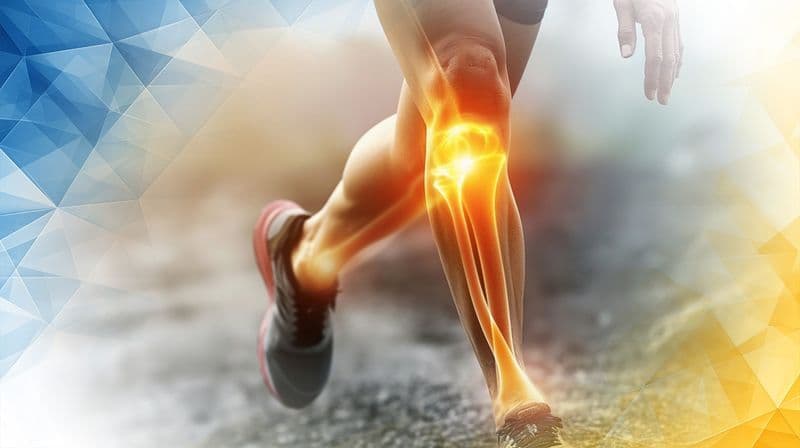
Every time you straighten your knee—whether running, jumping, or simply climbing stairs—your quadriceps tendon takes on significant force. Tendons are designed to handle these demands, but when the load becomes excessive or too frequent without enough rest, tiny tears can develop in the tendon. Over time, this leads to degeneration and pain, which is the hallmark of quadriceps tendinopathy .
A key factor is muscle imbalance. Ideally, your quadriceps and the muscles at the back of your thigh (hamstrings) work together to support your knee. If your quadriceps are much stronger or tighter than your hamstrings, this imbalance shifts how forces travel through the knee joint , putting extra pressure on the tendon. Other issues—such as poor leg alignment or altered walking or running patterns—can also increase the strain. Research confirms that when these biomechanical challenges combine with overuse, the tendon struggles to heal, leading to persistent pain and stiffness. Modern imaging techniques , like ultrasound, can even help gauge the extent of tendon changes that correspond to ongoing symptoms.
Free non-medical discussion
Not sure what to do next?
Information only · No medical advice or diagnosis.
Why Biomechanics Matter in Treatment
Understanding the biomechanical causes of quadriceps tendinopathy allows healthcare professionals to create more effective treatment plans. Treatments often include strengthening exercises that balance the quadriceps and hamstrings, helping to reduce unnecessary pressure on the tendon. Stretching tight muscles and correcting faulty movement patterns—whether in walking, running, or sports—can also make a big difference.
Many clinicians use gait analysis, a close look at how you move, to spot and address any mechanical faults contributing to pain. This approach targets the root causes instead of just easing symptoms. Imaging tools like ultrasound can help monitor tendon changes during the recovery process. Gradually increasing tendon load through carefully structured exercises is key for promoting healing and preventing recurrence. Taking biomechanics into account makes rehabilitation both more precise and more successful.

How to Prevent Quadriceps Tendinopathy
Prevention is all about managing mechanical stresses on your knee before problems develop. Keeping your thigh muscles—the quadriceps and hamstrings—balanced and strong is crucial, so regular exercises that target both muscle groups are a good idea.
It’s also important to avoid sudden increases in activity, such as upping your running distance or training intensity too quickly, which can overload the tendon. A biomechanical assessment can help identify any risks early—things like poor alignment, limited flexibility, or movement habits that might predispose you to injury.
Being aware of early warning signs, such as mild pain or stiffness in your knee after activity, is also vital. If you notice these symptoms, seeking advice early can prevent minor issues from becoming chronic tendinopathy that’s much harder to treat.
Conclusion
Biomechanical factors play a crucial role in the development of quadriceps tendinopathy and the persistence of knee pain. Muscle imbalances, altered joint mechanics, and repetitive overloading all contribute to tendon wear and discomfort. By recognizing and addressing these mechanical issues, both treatment and prevention become much more effective.
Spotting and correcting biomechanical problems early not only helps relieve pain but also supports better knee function in the long run. Embracing a biomechanical approach is essential for anyone looking to manage or avoid quadriceps tendinopathy , helping you stay active, healthy, and pain-free.
References
King, D., Yakubek, G., Chughtai, M., Khlopas, A., Saluan, P., Mont, M. A., & Genin, J. (2019). Quadriceps tendinopathy: a review—part 1: epidemiology and diagnosis. Annals of Translational Medicine, 7(4), 71-71. https://doi.org/10.21037/atm.2019.01.58
Sprague, A. L., Epsley, S., & Silbernagel, K. G. (2019). Distinguishing quadriceps tendinopathy and patellar tendinopathy: Semantics or significant? Journal of Orthopaedic & Sports Physical Therapy, 49(9), 627–630. https://doi.org/10.2519/jospt.2019.0611
Yurkovskiy, А. М. (2009). HISTOLOGIC AND SONOGRAPHIC COMPARISON AT QUADRICEPS TENDINOPATHY AND PATELLAR TENDINOPATHY. Health and Ecology Issues, (3), 52-56. https://doi.org/10.51523/2708-6011.2009-6-3-11
Frequently Asked Questions
- London Cartilage Clinic offers advanced, science-based care for knee injuries like quadriceps tendinopathy. Under the guidance of Prof Lee, who has extensive expertise, the clinic provides comprehensive biomechanical assessments and tailors rehabilitation plans to individual needs. Their approach focuses on addressing underlying causes, aiming for more effective results and long-term knee health.
- Prof Lee is highly respected for his clinical expertise in managing complex tendon and knee problems. His experience allows for accurate diagnosis and the application of current scientific evidence to therapy. Patients at London Cartilage Clinic gain access to the latest techniques and ongoing support throughout their rehabilitation journey.
- A biomechanical assessment at London Cartilage Clinic helps identify muscle imbalances, movement faults, and alignment issues that contribute to knee pain. By spotting the exact causes, Prof Lee and his team can design personalised programs to address mechanical factors, supporting a more successful and targeted recovery for every patient.
- At London Cartilage Clinic, state-of-the-art imaging like ultrasound is utilised to track tendon changes and monitor progress. These tools enable Prof Lee to fine-tune treatment plans, ensuring that rehabilitation is guided by real-time information and evidence, and helping patients achieve optimal outcomes in their recovery.
- London Cartilage Clinic emphasises prevention by educating patients on maintaining muscle balance, recognising early symptoms, and gradually increasing activity levels. Through Prof Lee’s expert guidance, tailored exercises and biomechanical advice are provided, equipping patients to avoid recurrent knee problems and continue their active lifestyles with increased confidence.
Legal & Medical Disclaimer
This article is written by an independent contributor and reflects their own views and experience, not necessarily those of London Cartilage Clinic. It is provided for general information and education only and does not constitute medical advice, diagnosis, or treatment.
Always seek personalised advice from a qualified healthcare professional before making decisions about your health. London Cartilage Clinic accepts no responsibility for errors, omissions, third-party content, or any loss, damage, or injury arising from reliance on this material.
If you believe this article contains inaccurate or infringing content, please contact us at [email protected].
London Cartilage Clinic
Modern treatments, designed for lasting knee outcomes
Every treatment plan is selected to help you return to the quality of life you deserve. Our team combines up-to-date techniques with consultant-led decision making across cartilage repair, regeneration and replacement.
What your journey can look like
Step 01
Consultant-Led Assessment
Symptoms, imaging and goals reviewed in one structured appointment.
Step 02
Personalised Treatment Plan
A clear route chosen from repair, regeneration or replacement options.
Step 03
Precision Delivery
Modern techniques and specialist equipment matched to your diagnosis.
Step 04
Long-Term Knee Health
Follow-up guidance focused on durable function and quality of life.
Will the Arthrosamid work for me
PAAG-8+ Questionnaire
A bright, structured entry point for patients exploring Arthrosamid. The questionnaire helps frame suitability, expectations, and 24-month clinical benefit discussion before a fuller consultant-led review.
Designed for shared decision-making. It does not replace specialist consultation, examination, imaging review, or formal medical advice.