

Understanding How ACL Injuries Occur: Biomechanical Insights into Tear Mechanisms and Prevention
Introduction
The anterior cruciate ligament , or ACL, is one of the key stabilizers in your knee. ACL injuries are common—especially among athletes—and can seriously impact your movement and performance. Knowing how these injuries happen is crucial, not just for recovery, but also for prevention. In this article, we'll break down the biomechanics behind ACL sprains and tears, explain the forces that cause these injuries, and share practical, research-backed prevention tips. We'll discuss how the ACL works, what puts it at risk, and how you can reduce the chances of a tear, whether or not surgery is needed.
What Is the ACL and Why Is It Important?
The ACL is one of the four main ligaments in your knee. Its main job is to keep your knee stable by stopping the shinbone (tibia) from sliding too far forward in relation to the thighbone (femur), and by controlling the knee's rotation. You can think of it as a sturdy rope that holds your knee together. The ACL is made up of two bundles working together to support the knee through a full range of movement.
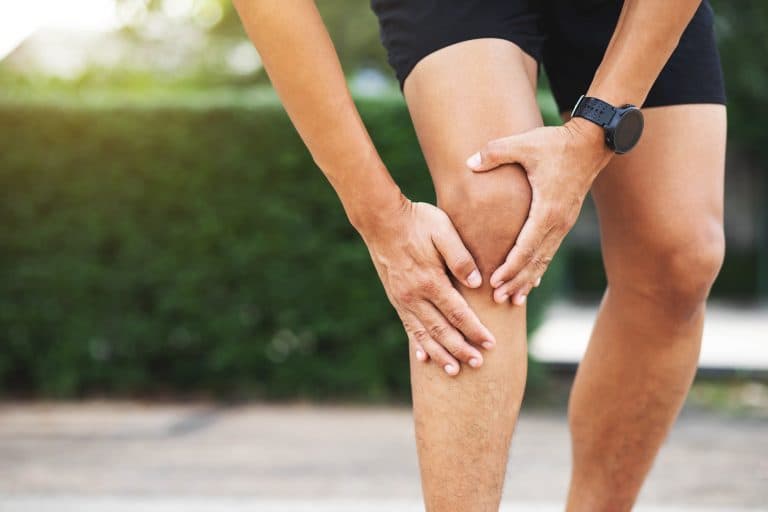
Whenever you run, jump, or quickly change direction, your ACL is hard at work maintaining knee stability . But certain movements—especially when the knee collapses inward (a position called valgus) or the shinbone slides forward with a twist—increase the strain on the ligament. These risky positions make the ACL more likely to sprain or tear, even without a direct blow to the knee . A strong understanding of knee anatomy and biomechanics helps us not only treat these injuries, but also prevent them from happening in the first place.
Free non-medical discussion
Not sure what to do next?
Information only · No medical advice or diagnosis.
How Do ACL Tears Happen?
Most ACL tears don’t result from contact, like a direct hit to the knee, but from sudden stops, sharp turns, or awkward landings. These fast, unpredictable movements apply multiple forces at once: the shinbone pushes forward, the knee rotates, and sometimes bends inward—all adding extra stress to the ACL.
During these split-second motions, the ligament may stretch beyond its limit, causing small fibers to tear. If the force is great enough, this can lead to a full rupture. That’s why people often report hearing or feeling a “pop” in their knee at the moment of injury, quickly followed by pain and instability. These non-contact injuries are especially common in sports like basketball, soccer, and skiing, where quick pivots and jumps are routine. Recognizing the impact of these movements explains why some sports and situations come with a higher risk of ACL injury —even without a collision.

How Can You Prevent an ACL Injury?
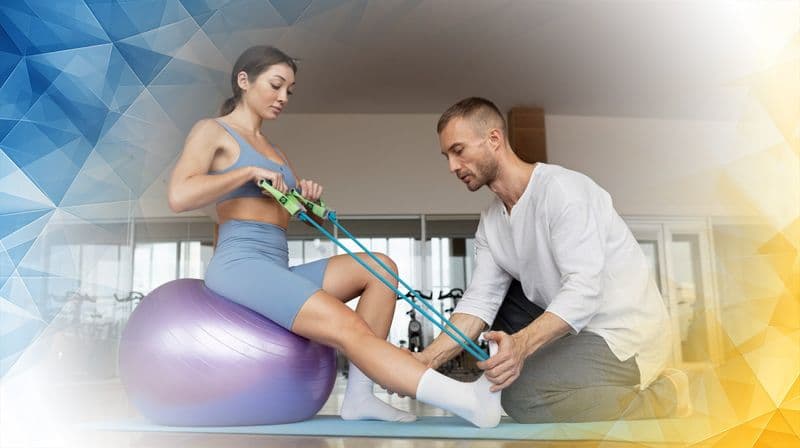
The best news is that, by understanding what puts the ACL at risk, you can take action to protect it. Strengthening the muscles around your knee —especially your hamstrings—helps prevent the shin from sliding too far forward and eases pressure on the ligament . Exercises that improve your balance, coordination, and overall body control (known as neuromuscular training) significantly decrease your injury risk by helping you avoid dangerous knee positions.
Learning and practicing proper technique for jumping, landing, and changing direction is also key. Many coaches and physical therapists now include specific drills and feedback to help athletes stay safe during these high-risk moves. Research continues to show that prevention programs focused on strength , stability, and skill training can dramatically lower the risk of ACL tears . With the right approach, it's often possible to avoid both injury and surgery, and to get back to activity with confidence even after a setback.
Conclusion
Understanding the biomechanics behind ACL injuries helps us see how and why they occur—and, more importantly, how we can prevent them. By focusing on strengthening muscles , improving movement patterns, and being mindful of risky positions, you can greatly reduce your chance of an ACL tear . While some severe injuries will still require surgery, many can be avoided with dedicated training and awareness. Prioritizing biomechanics in both prevention and rehabilitation is a promising step toward keeping your knees healthy for the future.
References
Amaravathi, R. S., Pilar, A., Manohar, S. G., Muniswamy, M. M., Rehman, F. R., & Mathai, N. J. (2020). Arthroscopic management of neglected complex knee injury. International Journal of Research in Orthopaedics, 6(6), 1327. https://doi.org/10.18203/issn.2455-4510.intjresorthop20204607
Legal & Medical Disclaimer
This article is written by an independent contributor and reflects their own views and experience, not necessarily those of London Cartilage Clinic. It is provided for general information and education only and does not constitute medical advice, diagnosis, or treatment.
Always seek personalised advice from a qualified healthcare professional before making decisions about your health. London Cartilage Clinic accepts no responsibility for errors, omissions, third-party content, or any loss, damage, or injury arising from reliance on this material.
If you believe this article contains inaccurate or infringing content, please contact us at [email protected].
London Cartilage Clinic
Modern treatments, designed for lasting knee outcomes
Every treatment plan is selected to help you return to the quality of life you deserve. Our team combines up-to-date techniques with consultant-led decision making across cartilage repair, regeneration and replacement.
What your journey can look like
Step 01
Consultant-Led Assessment
Symptoms, imaging and goals reviewed in one structured appointment.
Step 02
Personalised Treatment Plan
A clear route chosen from repair, regeneration or replacement options.
Step 03
Precision Delivery
Modern techniques and specialist equipment matched to your diagnosis.
Step 04
Long-Term Knee Health
Follow-up guidance focused on durable function and quality of life.
Will the Arthrosamid work for me
PAAG-8+ Questionnaire
A bright, structured entry point for patients exploring Arthrosamid. The questionnaire helps frame suitability, expectations, and 24-month clinical benefit discussion before a fuller consultant-led review.
Designed for shared decision-making. It does not replace specialist consultation, examination, imaging review, or formal medical advice.