The Impact of Back Pain on Knee Osteoarthritis: Understanding the Connection and How to Manage It
Introduction
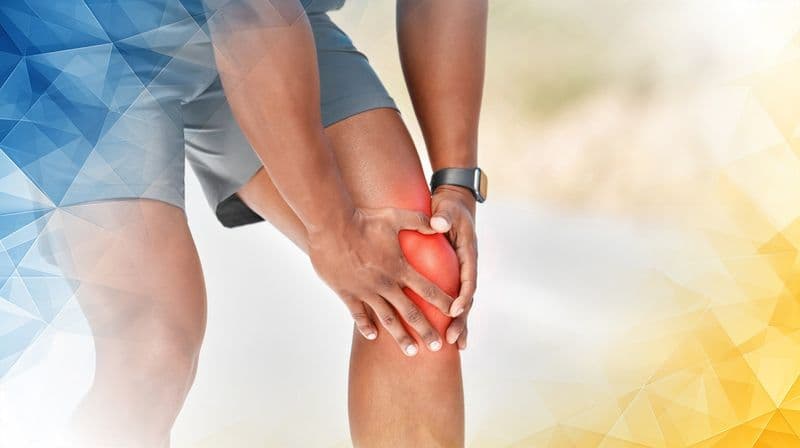
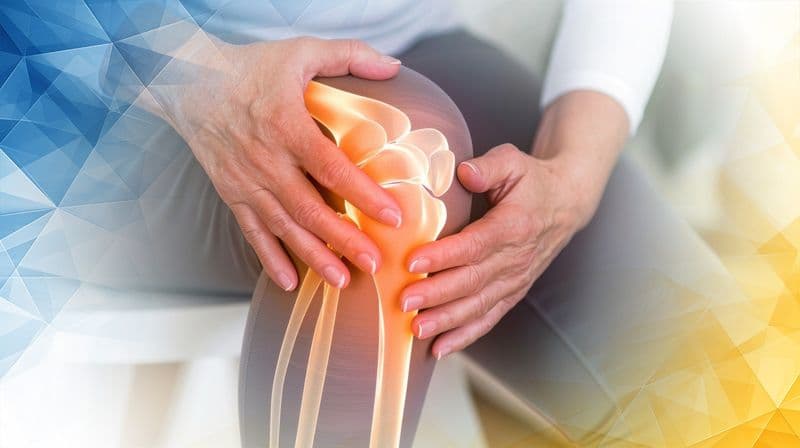
Back pain and knee pain are among the most common complaints people face. While they may seem unrelated at first, recent research shows they often go hand in hand—especially in people with knee osteoarthritis (OA). OA is a condition marked by joint pain and stiffness, most commonly in older adults. But if you’re only treating your knee pain , you might be missing part of the picture. Studies now confirm that back pain can come before or alongside knee pain, influencing how knee OA starts and how severe it gets. In this article, we’ll explore the link between back and knee pain, and share simple, effective tips to help you manage both.
What Research Tells Us About Back Pain and Knee Osteoarthritis
There’s a strong link between back pain and knee OA. Research shows that more than half of people with knee osteoarthritis also suffer from back pain . In fact, many report experiencing back issues before knee problems develop. This suggests that back pain might actually play a role in triggering or worsening knee OA . Long-term studies support this idea, showing that chronic back pain increases the risk of developing knee pain and can make it harder for people to move around. Health professionals increasingly recognize the connection and are beginning to diagnose and treat OA in more holistic ways.
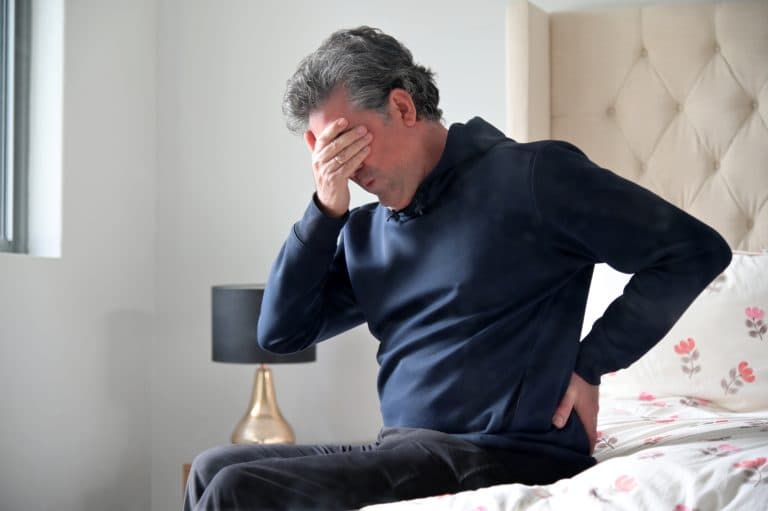
Shared symptoms can make both conditions more disabling. For instance, people suffering from both back and knee pain often have greater difficulty walking, climbing stairs, or staying in one position. They may also struggle with daily activities, feel more tired, and experience higher levels of stress or anxiety . These overlapping challenges highlight the need for strategies that address both areas together.
Some evidence even suggests that treatments like acupuncture can help with both types of pain in elderly patients, pointing toward shared mechanisms and benefits from integrative approaches.
Why Back Pain and Knee Pain Often Go Hand in Hand
Back and knee pain often occur together due to the way our bodies are structured and how we move. Factors such as extra weight, weak core and leg muscles, and poor posture create imbalances, leading your body to compensate and put more stress on your back and knees. For example, if your back is sore, you might unconsciously alter your posture or walk differently, which can put extra strain on your knees and speed up joint wear and tear. This can result in pain behind the knee when you bend your leg.
Living with both back and knee pain can make routine activities much harder. Tasks most people take for granted—like getting in and out of a chair, standing, walking, or lifting objects—can become challenging. This combination can also impact mental health, causing frustration , fatigue, and a sense of helplessness. That’s why it’s so important to tackle both issues together, not in isolation.
Free non-medical discussion
Not sure what to do next?
Information only · No medical advice or diagnosis.
Simple and Effective Ways to Manage Back and Knee Pain
The good news is there are many non-invasive ways to find relief from both back and knee pain . Regular, gentle movement is key. Exercises that strengthen your core, hips, and legs can provide essential support to both your back and knees. You don’t need a gym—simple stretches, walking, swimming, or cycling at home can all help improve joint stability and flexibility.
Lifestyle changes also play a big role. Maintaining a healthy weight reduces stress on your spine and knees. Paying attention to your posture —especially when sitting or lifting —can prevent pain from getting worse. If you’re looking for quick relief, a combination of regular exercises and small changes to your daily habits is often more effective than relying on medication alone.
If you’re interested in alternative therapies, some studies suggest treatments like acupuncture may offer relief for both back and knee pain , especially in older adults. Always discuss with your healthcare provider to see which options might work best for you.

Looking Ahead: What This Means for Treatment
While there’s still much to learn about the back- knee connection , one thing is clear: treating the two together leads to better outcomes. A team approach—combining physical therapy , exercise, lifestyle modifications, and supportive therapies—can help you move more easily and reduce pain. More healthcare professionals are now working together to provide this holistic, patient-centered care, focusing on the whole body instead of isolated symptoms.
Conclusion
Back pain and knee osteoarthritis are closely linked, and understanding this relationship is essential for real relief. If you’re only focusing on your knees or your back, you could be missing a big part of your pain puzzle. By adopting a combined approach—using targeted exercises, lifestyle improvements, and a supportive team of providers—you’ll be more likely to reduce your pain and enjoy a more active life. As research continues, embracing these new insights will help both patients and healthcare professionals manage back and knee pain more successfully, together.
References
Wolfe, F., Hawley, D., Peloso, P. M., Wilson, K., & Anderson, J. (1996). Back pain in osteoarthritis of the knee. Arthritis & Rheumatism, 9(5), 376-383.
Ito, A., Hayashi, K., Miyazaki, Y., Kobayashi, A., Ideno, Y., Takagi, H., Iwaya, T., & Suzuki, S. (2017). Difficult motions among nurses with knee pain or low back pain. Japanese Journal of Health and Human Ecology, 83(4), 113-125. https://doi.org/10.3861/kenko.83.4_113
Washio, M., Takasugi, S., & Arai, Y. (2001). Effects of acupuncture therapy on low back pain and/or knee pain in elderly patients. Nippon Ronen Igakkai Zasshi Japanese Journal of Geriatrics, 38(4), 523-527. https://doi.org/10.3143/geriatrics.38.523
Legal & Medical Disclaimer
This article is written by an independent contributor and reflects their own views and experience, not necessarily those of London Cartilage Clinic. It is provided for general information and education only and does not constitute medical advice, diagnosis, or treatment.
Always seek personalised advice from a qualified healthcare professional before making decisions about your health. London Cartilage Clinic accepts no responsibility for errors, omissions, third-party content, or any loss, damage, or injury arising from reliance on this material.
If you believe this article contains inaccurate or infringing content, please contact us at [email protected].
London Cartilage Clinic
Modern treatments, designed for lasting knee outcomes
Every treatment plan is selected to help you return to the quality of life you deserve. Our team combines up-to-date techniques with consultant-led decision making across cartilage repair, regeneration and replacement.
What your journey can look like
Step 01
Consultant-Led Assessment
Symptoms, imaging and goals reviewed in one structured appointment.
Step 02
Personalised Treatment Plan
A clear route chosen from repair, regeneration or replacement options.
Step 03
Precision Delivery
Modern techniques and specialist equipment matched to your diagnosis.
Step 04
Long-Term Knee Health
Follow-up guidance focused on durable function and quality of life.
Will the Arthrosamid work for me
PAAG-8+ Questionnaire
A bright, structured entry point for patients exploring Arthrosamid. The questionnaire helps frame suitability, expectations, and 24-month clinical benefit discussion before a fuller consultant-led review.
Designed for shared decision-making. It does not replace specialist consultation, examination, imaging review, or formal medical advice.