


PRP Injections for Hip Arthritis: A Modern Approach to Managing Pain and Enhancing Recovery
As the field of orthopaedics continues to evolve, so does the pursuit of innovative treatments aimed at mitigating the discomfort and mobility issues associated with hip arthritis. One such advancement that has garnered significant attention is Platelet-Rich Plasma (PRP) therapy. At London Cartilage Clinic, we are dedicated to exploring and implementing cutting-edge treatments that offer our patients a beacon of hope and improved quality of life. This article aims to demystify PRP injections, focusing on their applicability in treating hip arthritis, and determining who might benefit most from this promising treatment.
Understanding Hip Arthritis
Hip arthritis is a condition characterised by the wearing away of the cartilage that cushions the hip joints, leading to pain, stiffness, and reduced mobility. It primarily affects individuals in their middle and later years but can also occur in younger people, especially athletes or those with a history of hip injuries. As the condition progresses, the symptoms can significantly impair one's ability to perform daily activities and maintain an active lifestyle.
The Role of PRP Injections
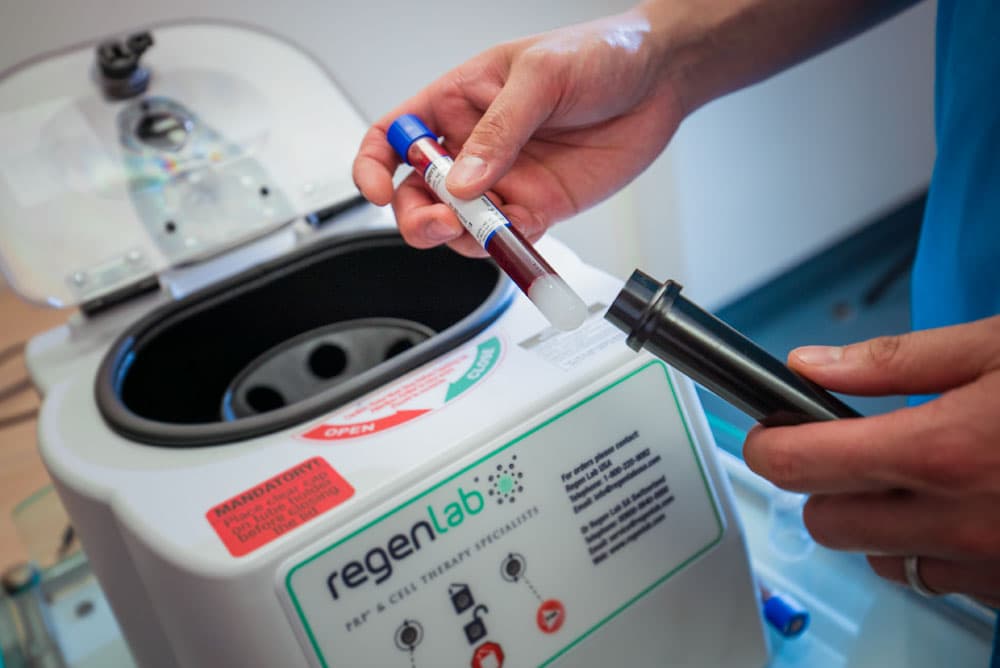
PRP therapy utilises the healing properties of an individual's own blood to accelerate the repair of damaged tissues. The process involves drawing a small amount of blood from the patient, which is then centrifuged to concentrate the platelets. This platelet-rich plasma is then injected into the affected hip joint, where it releases growth factors that stimulate the natural healing process, reduce inflammation, and promote the regeneration of damaged cartilage.
Who Benefits from PRP Injections?
PRP injections are particularly beneficial for patients with mild to moderate hip arthritis who have not responded adequately to conventional treatments, such as pain medication, physical therapy, or lifestyle modifications. It is also an attractive option for individuals seeking to delay or avoid more invasive procedures like hip replacement surgery. Patients with active lifestyles who wish to maintain their mobility and reduce pain without the downtime associated with surgery may find PRP therapy especially appealing.
When to Consider PRP Injections for Hip Arthritis
- Early to Mid-Stage Arthritis: PRP injections are most effective in the early to mid-stages of arthritis, where the damage to the cartilage is not extensively severe.
- Persistent Pain Despite Traditional Treatments: If traditional non-operative treatments have failed to provide adequate relief, PRP injections may offer a new avenue for pain management and tissue repair.
- Preference for Minimally Invasive Treatments: For patients interested in exploring less invasive options before considering surgery, PRP injections present a viable alternative.
Support for Hip Arthritis
At London Cartilage Clinic, we are committed to providing our patients with access to the latest advancements in musculoskeletal health, orthopaedics, and regenerative medicine. PRP injections for hip arthritis represent just one of the many innovative treatments we offer, designed to enhance your recovery and restore your quality of life. If you are suffering from hip arthritis and seeking alternative treatment options, we invite you to contact us for a consultation to explore whether PRP therapy could be the right choice for you. Book A Consultation
Frequently Asked Questions
- Patients may experience mild discomfort during the injection, but this is generally well-tolerated and temporary.
- While individual responses vary, most patients report noticeable improvements in pain and mobility within a few weeks after the injection.
- The number of injections varies depending on the severity of the condition and the patient's response to the treatment. Typically, one to three injections are administered over several months.
- PRP therapy is considered safe, with the primary risks being those associated with any injection, such as infection or pain at the injection site. However, these risks are minimal.
- Coverage varies by provider and policy. It is advisable to consult with your insurance company regarding the specifics of your coverage.
- A thorough evaluation by an orthopaedic specialist is necessary to determine if PRP therapy is suitable for your specific condition. <a href="https://londoncartilage.com/consultations/">Book a consultation</a> with our team today.
Legal & Medical Disclaimer
This article is written by an independent contributor and reflects their own views and experience, not necessarily those of London Cartilage Clinic. It is provided for general information and education only and does not constitute medical advice, diagnosis, or treatment.
Always seek personalised advice from a qualified healthcare professional before making decisions about your health. London Cartilage Clinic accepts no responsibility for errors, omissions, third-party content, or any loss, damage, or injury arising from reliance on this material.
If you believe this article contains inaccurate or infringing content, please contact us at [email protected].
London Cartilage Clinic
Modern treatments, designed for lasting knee outcomes
Every treatment plan is selected to help you return to the quality of life you deserve. Our team combines up-to-date techniques with consultant-led decision making across cartilage repair, regeneration and replacement.
What your journey can look like
Step 01
Consultant-Led Assessment
Symptoms, imaging and goals reviewed in one structured appointment.
Step 02
Personalised Treatment Plan
A clear route chosen from repair, regeneration or replacement options.
Step 03
Precision Delivery
Modern techniques and specialist equipment matched to your diagnosis.
Step 04
Long-Term Knee Health
Follow-up guidance focused on durable function and quality of life.
Will the Arthrosamid work for me
PAAG-8+ Questionnaire
A bright, structured entry point for patients exploring Arthrosamid. The questionnaire helps frame suitability, expectations, and 24-month clinical benefit discussion before a fuller consultant-led review.
Designed for shared decision-making. It does not replace specialist consultation, examination, imaging review, or formal medical advice.