
Introduction
A torn labrum in the shoulder can be both painful and frustrating, making everyday activities difficult and sometimes causing feelings of instability. While surgery is often suggested as a solution, it isn’t always necessary—or the best choice for everyone. Recovery from a labrum tear is possible without surgery, and by taking a holistic, research-backed approach, you can regain strength and flexibility safely. In this article, we’ll demystify what the labrum does, explain when non-surgical solutions are effective, and explore proven rehabilitation strategies to help you get back to your active life.
What Is a Labrum Tear?
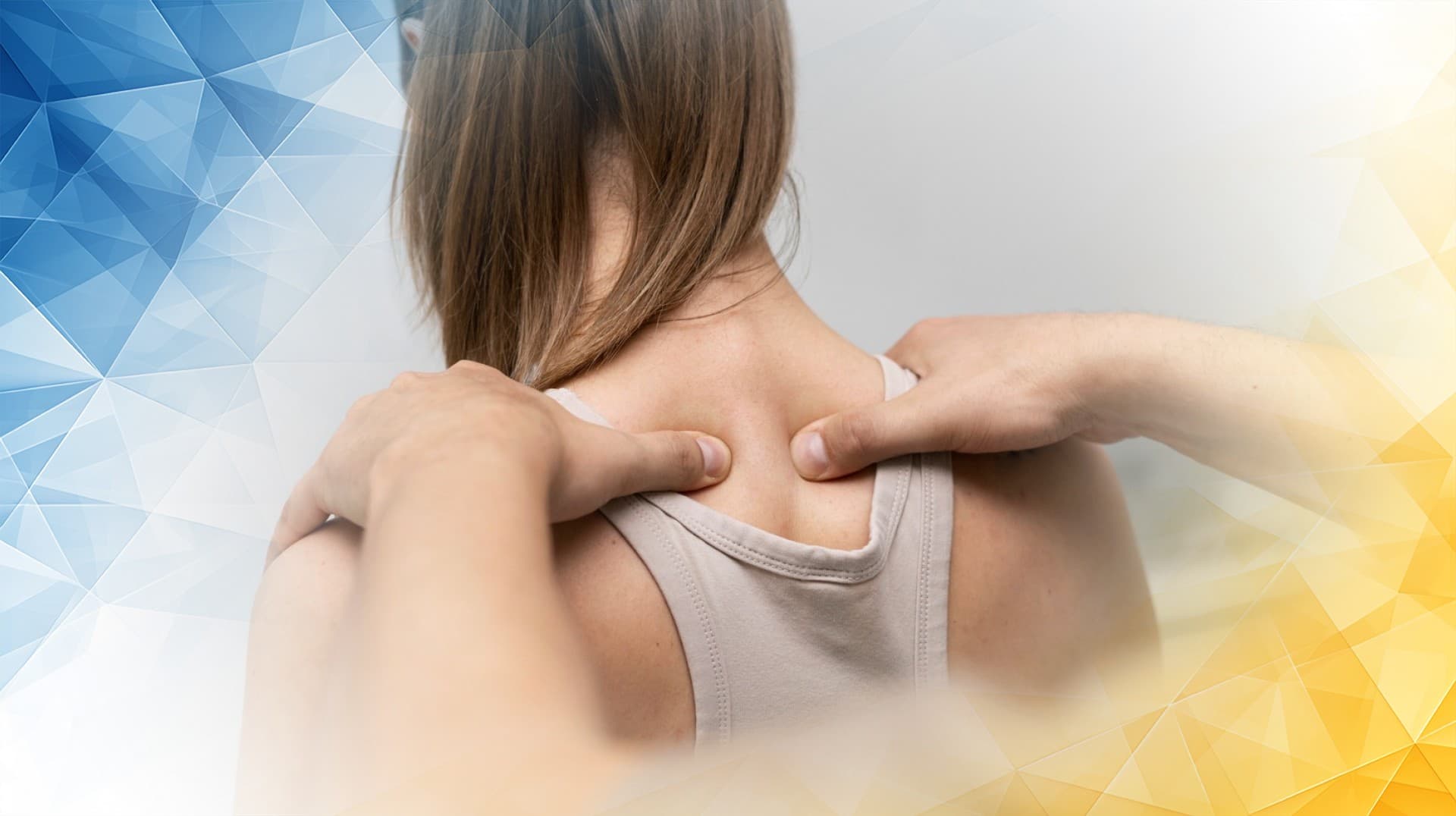
The shoulder is an incredibly versatile joint, made up of bones, muscles, tendons, and cartilage working in harmony. The labrum is a ring of tough cartilage that lines your shoulder socket (the glenoid), keeping the upper arm bone secure. When this cartilage is torn—perhaps from a sudden injury, repeated overhead movements, or age-related wear—it can lead to pain, catching or locking sensations, weakness, and reduced movement.
Knowing the labrum’s purpose makes it clearer why tears can make the shoulder feel unstable or sore. The encouraging news: many labrum tear s can heal without surgery. Recent studies support the success of non-surgical approaches, especially when combined with targeted rehabilitation and proper care. For many, conservative management is not only viable—it’s often preferable, helping patients avoid surgical risks and lengthy recovery times.
Exploring Non-Surgical Treatment Options
Non- surgical treatment for a torn labrum centers on easing pain, improving shoulder stability, and restoring normal movement. Physiotherapy is the cornerstone of this approach. Trained therapists create personalized exercise programs that strengthen the muscles around the shoulder joint —especially the rotator cuff and the stabilizing muscles of the shoulder blade. This targeted strengthening helps protect your shoulder and keeps it functioning smoothly.
Small lifestyle tweaks also play a key role in recovery. Avoiding movements that trigger pain, modifying how you do daily tasks, and pacing yourself can all help reduce strain on the injured shoulder . Research shows that, when combined with consistent physiotherapy, these adjustments can lead to significant improvement—often without surgery. Plus, non-surgical care helps you sidestep surgical risks like infection or long recovery periods, and it supports your body’s natural healing abilities.
While surgery may offer benefits in severe cases or when conservative options fail, starting with a non-surgical plan is often the safest and most effective first step for many patients.
Evidence-Based Rehabilitation Strategies
Successful recovery depends on a well- structured rehabilitation plan designed for your specific needs. Rehab usually combines strengthening exercises , gentle stretches to restore range of motion, and neuromuscular training to help your shoulder move smoothly and safely.
Pain management is important too. Ice packs, ultrasound therapy, and, when appropriate, anti-inflammatory medications can help control discomfort so you can focus on healing. The best rehabilitation strategies are personalized—considering your age, daily activities, and the specifics of your injury . Research shows that customized plans lead to better outcomes, helping you steadily and safely regain function.
As new research emerges, rehabilitation programs are continually evolving and improving, with options that adapt to your progress and individual circumstances. By staying consistent and following your therapist’s guidance, you can rebuild strength and confidence in your shoulder over time.
Conclusion
A torn labrum doesn’t have to mean surgery. With a clear understanding of your injury, a holistic and evidence-based approach, and the right support, you can often recover effectively without going under the knife. Personalized physiotherapy , small adjustments in your lifestyle, and a commitment to your rehabilitation plan can make a powerful difference.
Remember, every injury is unique—so it’s essential to consult with experienced healthcare professionals to get the best guidance for your situation. If you or someone you know is facing a labrum tear , exploring non-surgical recovery could help you restore strength and function—and return to the activities you love with confidence.
References
Ogilvie-Harris, D. J., & D’Angelo, G. (1990). Arthroscopic surgery of the shoulder. Sports Medicine, 9(2), 120-128. https://doi.org/10.2165/00007256-199009020-00005
Oh, J. H., & Yoon, J. Y. (2020). Various regimens for the functional recovery after arthroscopic shoulder surgery. The Journal of the Korean Orthopaedic Association, 55(2), 103. https://doi.org/10.4055/jkoa.2020.55.2.103
Frequently Asked Questions
- Common signs of a shoulder labrum tear include pain during movement, catching or locking sensations, weakness, and reduced range of motion. If you notice your shoulder feeling unstable or sore, it’s important to seek expert advice, such as an assessment at London Cartilage Clinic with Professor Lee.
- Surgery is not always needed for a torn labrum. At London Cartilage Clinic, Professor Lee often recommends a holistic, research-backed non-surgical approach, combining physiotherapy and lifestyle adjustments. Many patients experience significant improvement with this method, avoiding surgical risks and lengthy recovery periods under experienced care.
- Physiotherapy focuses on strengthening shoulder muscles, improving stability, and restoring movement. At London Cartilage Clinic, Professor Lee develops personalised programmes that target the rotator cuff and shoulder blade stabilisers, promoting a smoother and safer recovery tailored to individual patient needs and lifestyles.
- Professor Lee utilises the latest research and cutting-edge rehabilitation strategies to tailor each treatment plan. The emphasis is on evidence-based, patient-centred care, addressing both physical and functional needs. His vast experience ensures that each patient benefits from customised guidance, supporting effective and steady recovery.
- London Cartilage Clinic offers advanced, evidence-based care led by Professor Lee, an expert in cartilage and shoulder injuries. Patients receive personalised assessments and treatment strategies, ensuring their rehabilitation journey is both comprehensive and supportive. Many have successfully restored strength and confidence under his guidance.
Legal & Medical Disclaimer
This article is written by an independent contributor and reflects their own views and experience, not necessarily those of London Cartilage Clinic. It is provided for general information and education only and does not constitute medical advice, diagnosis, or treatment.
Always seek personalised advice from a qualified healthcare professional before making decisions about your health. London Cartilage Clinic accepts no responsibility for errors, omissions, third-party content, or any loss, damage, or injury arising from reliance on this material.
If you believe this article contains inaccurate or infringing content, please contact us at [email protected].
London Cartilage Clinic
Modern treatments, designed for lasting knee outcomes
Every treatment plan is selected to help you return to the quality of life you deserve. Our team combines up-to-date techniques with consultant-led decision making across cartilage repair, regeneration and replacement.
What your journey can look like
Step 01
Consultant-Led Assessment
Symptoms, imaging and goals reviewed in one structured appointment.
Step 02
Personalised Treatment Plan
A clear route chosen from repair, regeneration or replacement options.
Step 03
Precision Delivery
Modern techniques and specialist equipment matched to your diagnosis.
Step 04
Long-Term Knee Health
Follow-up guidance focused on durable function and quality of life.
Will the Arthrosamid work for me
PAAG-8+ Questionnaire
A bright, structured entry point for patients exploring Arthrosamid. The questionnaire helps frame suitability, expectations, and 24-month clinical benefit discussion before a fuller consultant-led review.
Designed for shared decision-making. It does not replace specialist consultation, examination, imaging review, or formal medical advice.