









ACL Tears That Go Unnoticed
Partial ACL tears feel stable because surviving fibres still function, but that apparent stability masks damage; untreated, 39% of such injuries in active patients under 30 progress to complete rupture.

Regenerative injections compared
PRP delivers concentrated growth factors from your blood; Mytocel MSK delivers living micrografts that carry your own repair cells. Here is how to choose.
Reviewed byProfessor Paul Lee MBBch, FRCS (Tr & Orth), PhDCartilage and joint preservation expertisePRP delivers signals; Mytocel MSK delivers cells. PRP concentrates the platelets and growth factors in your own blood and injects them to prompt repair. Mytocel MSK goes a step further, delivering living micrografts made chair-side from a small sample of your own tissue, rich in your own progenitor cells and their natural matrix. Both are autologous, done in a single session with no laboratory culture. PRP is the milder, lower-cost option (from about £1,200); Mytocel MSK is from £3,000.
Both are genuine options at London Cartilage Clinic. PRP suits mild or early problems, or works as an adjunct; Mytocel MSK is chosen when you want to deliver cells, not just signals.
| What to compare | PRP | Mytocel MSK |
|---|---|---|
| What it delivers | Concentrated platelets and growth factors from your own blood (repair signals) | Living micrografts carrying your own repair cells and their natural matrix (cells, not just signals) |
| Source material | A blood sample taken on the day | A small sample of your own tissue taken on the day |
| Cells or signals | Signalling molecules, no cells added | Your own repair cells plus their surrounding matrix |
| Laboratory culture | None | None; prepared chair-side in one sitting |
| Sessions | One (a course is sometimes used) | One |
| Best suited to | Mild or early joint problems, or as an adjunct | Earlier joint wear where you want to deliver cells |
| Autologous (your own tissue) | Yes | Yes |
| Available at London Cartilage Clinic | Yes, from about £1,200 | Yes, from £3,000 |
Both injections are offered at London Cartilage Clinic; this is a genuine choice, not a takedown of PRP.
The key distinction is not simply which injection is “stronger”; it is what material is used, how it is prepared and what clinical problem the treatment is intended to address.

PRP is a proven, straightforward injection and a real option here. Its job is to concentrate the growth factors already in your blood and put them where they are needed, and for mild or early problems that can be enough. Mytocel MSK does something different: rather than signalling molecules alone, it delivers living micrografts that carry your own repair cells and the matrix around them. That is why it costs more, from £3,000 against PRP at from about £1,200, and why it tends to be chosen when you want cells in the joint, not just signals. Because we offer both, the consultation is an honest question of which suits your joint, not a push toward one.


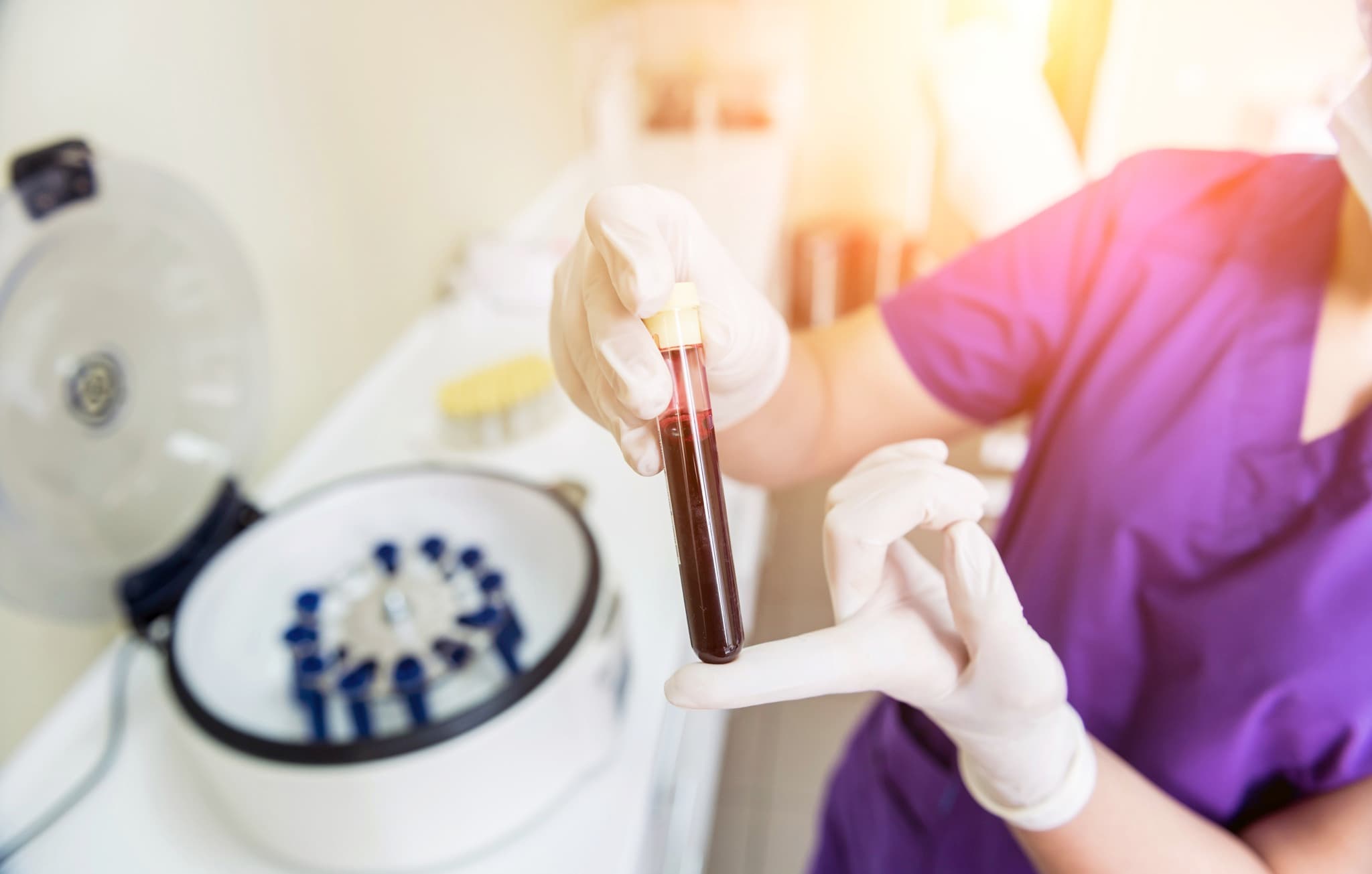
PRP concentrates the platelets and growth factors already in your blood and injects them to signal repair. Mytocel MSK goes further, delivering living micrografts made chair-side from a small sample of your own tissue, rich in your own repair cells and their natural matrix. In short, PRP delivers signals; Mytocel MSK delivers cells as well. Both are autologous and given in a single session with no laboratory culture.
Neither is simply better; they do different jobs. For mild or early problems, or as an adjunct, PRP can be enough and it is the lower-cost option, from about £1,200. When you want to deliver your own repair cells rather than growth-factor signals alone, Mytocel MSK is the fuller choice, from £3,000. Which suits you depends on your joint and your imaging, decided at consultation.
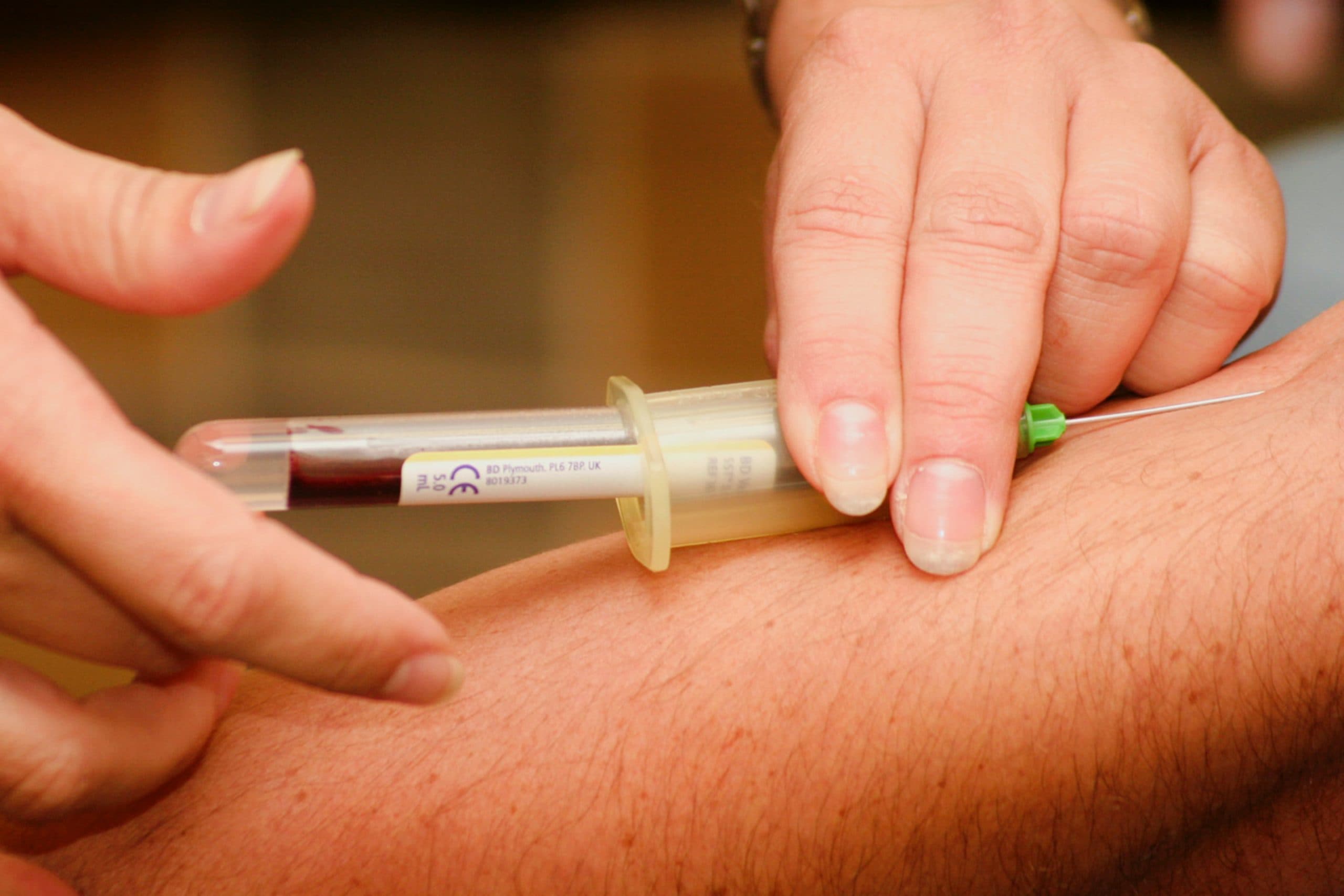
Yes. Both are autologous. PRP is spun from a sample of your own blood, and Mytocel MSK micrografts are prepared from a small sample of your own tissue. Neither involves donor material, and nothing is grown in a laboratory. Mytocel MSK is an autologous micrografting technology made by Remedi on their Regenera Activa system.
PRP is from about £1,200 and Mytocel MSK is from £3,000. Your exact plan and cost are confirmed at consultation, once Professor Lee has reviewed your imaging and examined the joint.
Sometimes, yes. For some joints it is reasonable to start with PRP and see how things respond, then consider Mytocel MSK if a fuller, cell-based approach is warranted. Professor Lee will set out the honest options for your joint rather than pushing one path. Compare them directly on the Mytocel MSK page.
Still have more specific concerns?
Free Discovery CallOptions that our doctors may discuss include NanoACi, ChondroFiller, Mytocel MSK, joint replacement, established conservative care or surgery, depending on examination and imaging.
The fairest next step is a review of your imaging and examination. Start with a free discovery call, or book a consultation with Professor Lee, who offers both injections.
London Cartilage Clinic
Clinical updates, cartilage treatment guidance, and recovery-focused articles from our specialist team.

Partial ACL tears feel stable because surviving fibres still function, but that apparent stability masks damage; untreated, 39% of such injuries in active patients under 30 progress to complete rupture.

Type I collagen injected into shoulder cartilage defects gels in place and recruits the body's progenitor cells to regenerate hyaline-like cartilage — not symptomatic relief, but structural repair delivered in an outpatient setting without surgery or general anaesthetic.

Only 3–8% of ChondroFiller-treated patients require further surgery over three to five years, compared with 41% for microfracture—because the collagen scaffold recruits the patient's own repair tissue, which persists after the scaffold resorbs.