









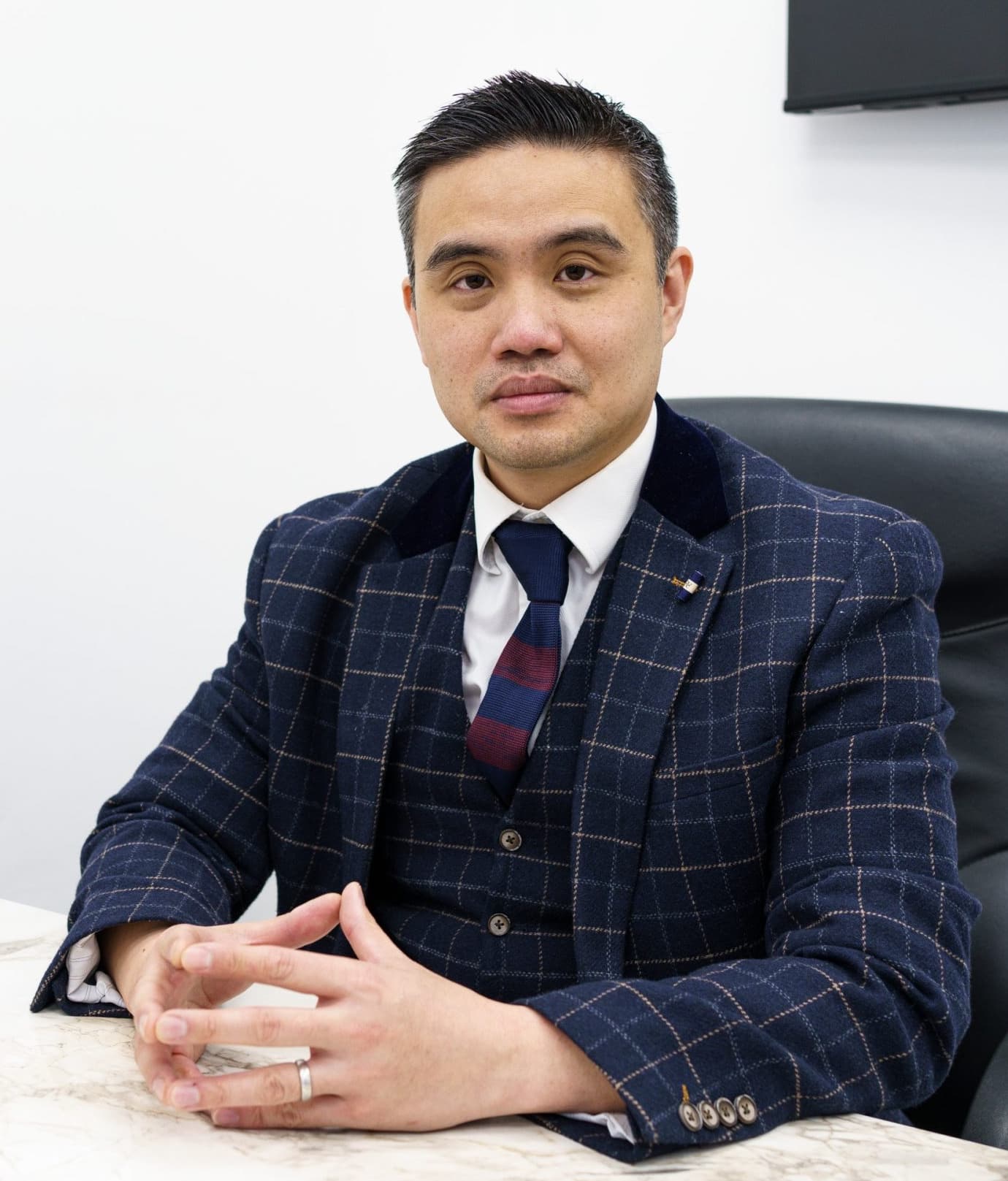
Professor Lee preparing a regenerative micrograft injection in London

Regenerative micrograft injection in London

Mytocel MSK in London with Professor Paul Lee

A single-session regenerative injection in central London, using your own cells, under local anaesthetic, with most people leaving the same day.

Quick answer

Mytocel MSK is offered in central London by Professor Paul Lee at London Cartilage Clinic. It is a single-session regenerative injection using your own cells, done under local anaesthetic in around thirty minutes, with most people leaving the same day. Professor Lee is among the first in the UK to offer the Mytocel MSK version of this technology.

Mytocel MSK in central London

Mytocel MSK is provided in central London by London Cartilage Clinic, with Professor Paul Lee. Your consultation, imaging review and the injection itself are arranged within London’s medical district, keeping the whole pathway close together and easy to travel to. It is the same regenerative micrograft injection the clinic offers on its own for earlier joint wear, and as the cell component inside NanoACi, Professor Lee’s fuller injection protocol.

Everything happens in one appointment. A small sample of your own tissue is processed chair-side into living micrografts and injected under local anaesthetic, in around thirty minutes. There is no general anaesthetic, no incision and no hospital stay, and nothing is grown in a laboratory over weeks, so most people leave the same day.

Among the first in the UK to offer it

Professor Paul Lee is among the first clinicians in the UK to offer the Mytocel MSK version of this autologous micrografting technology, made by Remedi and built on the Regenera Activa system. He is not the only clinician using micrografting, but he was early to bring the Mytocel MSK application to musculoskeletal care here, alongside the clinic’s other regenerative tools such as ChondroFiller.

Your consultation is led by Professor Lee personally. He examines the joint, reviews your imaging, and sets out honestly what Mytocel MSK can and cannot do for you, and when a fuller option would serve you better. Read more about Professor Lee.

Prepared in the clinic, at the point of care

The tissue sample is prepared in the clinic as part of the same appointment. The process is mechanical and designed to minimise manipulation of the patient’s own tissue.

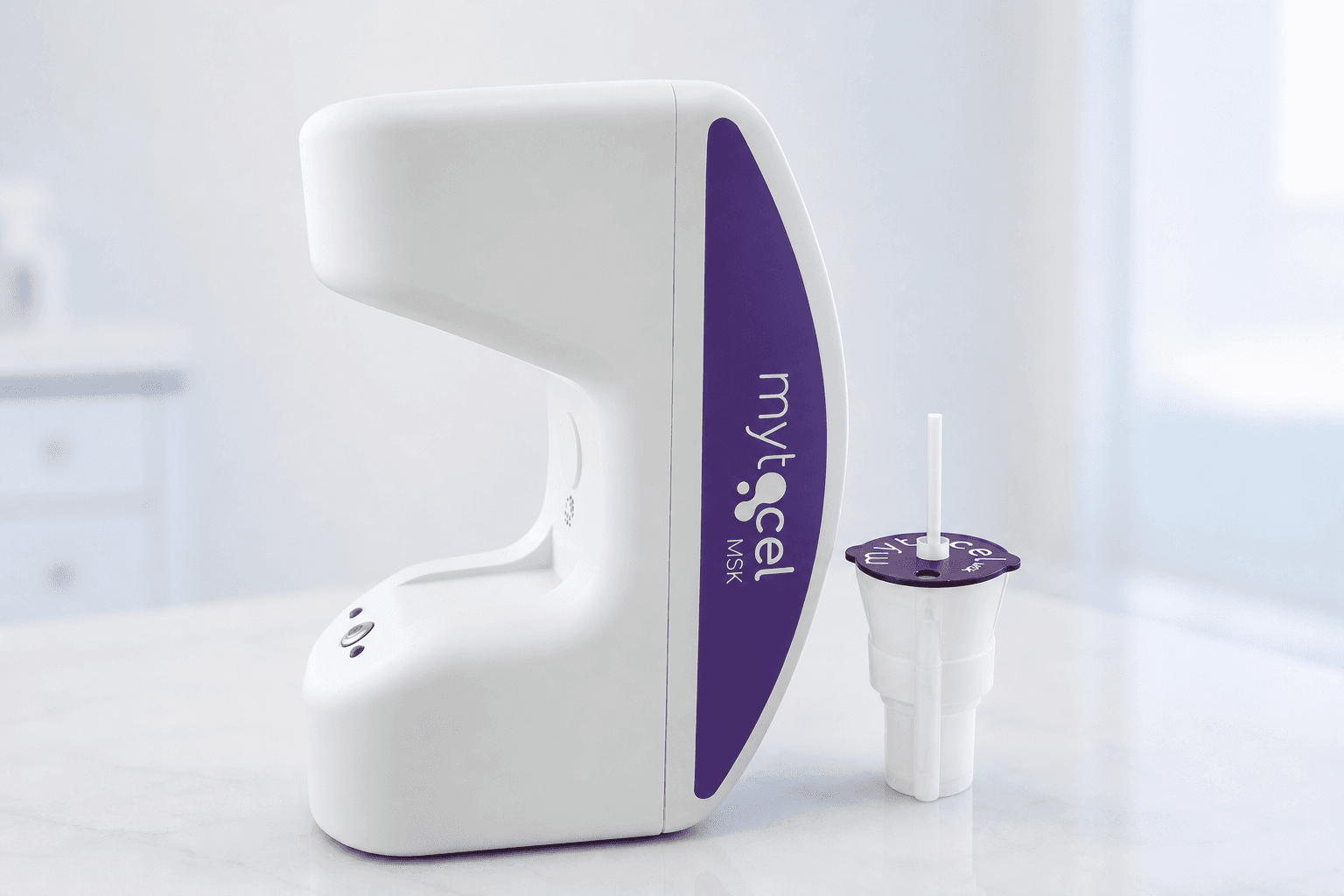
Mytocel MSK processing device and single-use tissue-processing cartridge in a clinical setting.
The system prepares the patient’s tissue at the point of care using a dedicated processing device and single-use cartridge.

How to start

There are two easy first steps. A free discovery call is the lowest-friction way to talk it through and check whether Mytocel MSK is worth exploring for your joint. Or you can book a consultation directly, so Professor Lee can examine the joint and review your imaging in person. If you have had an MRI in the last six months, bring it. If not, your scan and appointment can be arranged together, so everything is reviewed in one visit.

Mytocel MSK is from £3,000, the same across joints, with the final cost confirmed at your consultation.

The process begins with assessment rather than treatment. If Mytocel MSK is suitable, the procedure is arranged in clinic and followed by individual aftercare guidance.

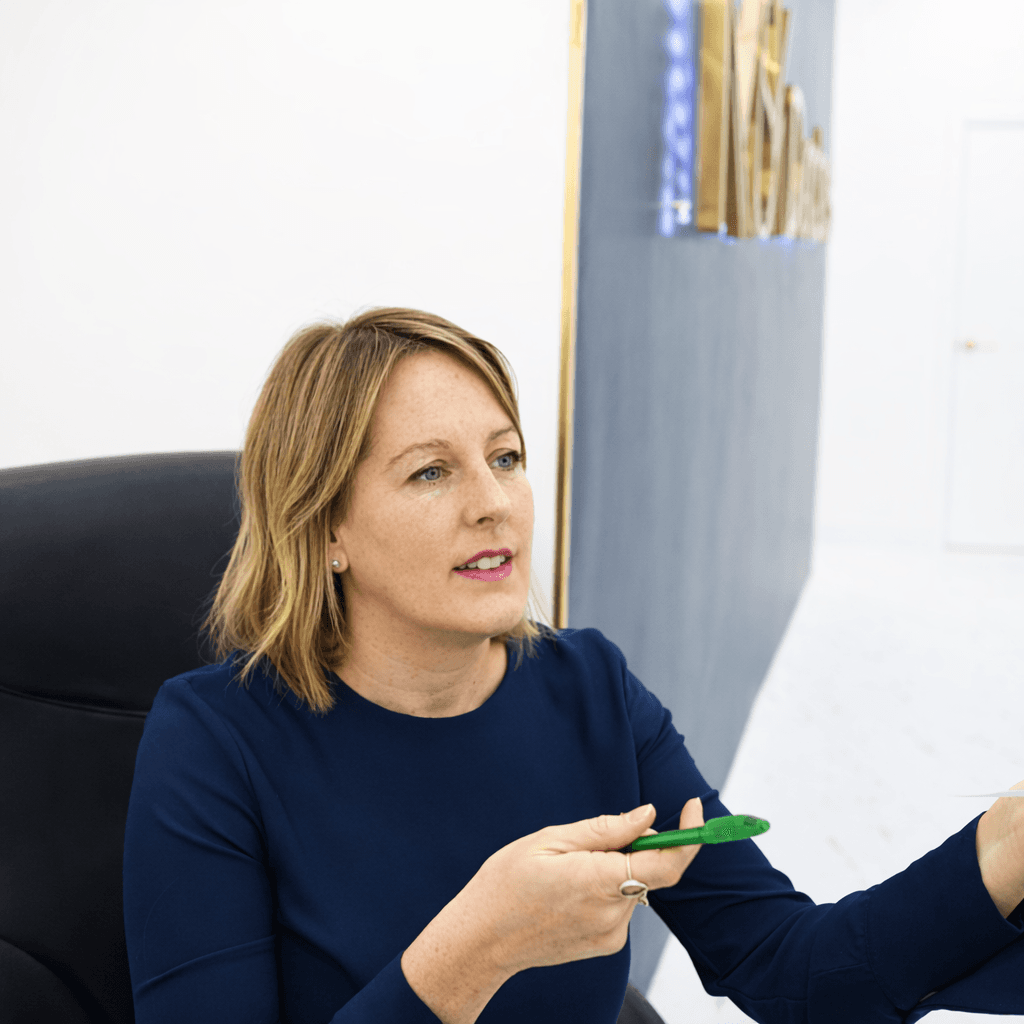
Professor Paul Lee guiding a patient through the five-stage Mytocel MSK journey, from consultation and imaging through suitability assessment, the clinic procedure, going home and follow-up.
Your pathway is planned around your diagnosis and imaging. Individual aftercare and return-to-activity advice may vary.
consulting-in-office-with-pen

Frequently Asked Questions

Where in London is Mytocel MSK done?

Mytocel MSK is offered in central London by London Cartilage Clinic, with Professor Paul Lee. Your consultation, imaging review and the injection itself are arranged within London’s medical district, and the exact location for your appointment is confirmed when you book.

How long does the appointment take?

Mytocel MSK is a single session, start to finish in around thirty minutes, under local anaesthetic. A small sample of your own tissue is processed chair-side into living micrografts and injected in the same appointment. There is no general anaesthetic and no hospital stay, so most people leave the same day.

Who performs Mytocel MSK?

Professor Paul Lee performs the treatment and leads your consultation personally. He is among the first in the UK to offer the Mytocel MSK version of this micrografting technology, not the only clinician using autologous micrografting, but early to bring the Mytocel MSK application to musculoskeletal care here. Read more about Professor Lee.

Do I need a scan before Mytocel MSK?

A recent scan makes the assessment far more useful. If you have had an MRI in the last six months, bring it. If not, the simplest route is to arrange your scan and appointment together, so Professor Lee can review the imaging, examine the joint and plan treatment in one visit.

Can I have Mytocel MSK if I am travelling to London?

Yes. Much of the early conversation can happen by free discovery call before you travel, and imaging can often be reviewed ahead of your visit. Because Mytocel MSK is a single session with most people leaving the same day, the trip to London can usually be kept short.

What does Mytocel MSK cost in London?

Mytocel MSK is from £3,000, the same across joints, with the final cost confirmed at your consultation. See the Mytocel MSK cost page.

Still have more specific concerns?

Free Discovery Call

Options that our doctors may discuss include NanoACi, ChondroFiller, Mytocel MSK, joint replacement, established conservative care or surgery, depending on examination and imaging.

Start with Mytocel MSK in London

Wherever you are travelling from, the first step is the same. Talk it through on a free discovery call, or book a consultation in central London with Professor Lee and have your imaging reviewed.

London Cartilage Clinic

Latest Insights

Clinical updates, cartilage treatment guidance, and recovery-focused articles from our specialist team.

ChondroFiller injection for hip pain at night
ChondroFiller / Liquid Cartilage
Eleanor Hayes

ChondroFiller injection for hip pain at night

Hip cartilage loss causes pain that peaks at night because lying down concentrates load on the posterior femoral head—precisely the surface most often damaged by wear—without the postural relief daytime walking provides. ChondroFiller, an acellular collagen scaffold, addresses this through mechanical cushioning and biological repair.

How Long ACI Recovery Takes
Cartilage Repair
Eleanor Hayes

How Long ACI Recovery Takes

ACI recovery to high-impact sport takes twelve to eighteen months, not the six months most patients expect—a gap driven by biology, not surgical complexity, that consistently undermines rehabilitation adherence.

Cartilage Grades 3 and 4 on Your Knee MRI
Joint Conditions
Eleanor Hayes

Cartilage Grades 3 and 4 on Your Knee MRI

Grade 3 cartilage damage on knee MRI means a lesion extending beyond the halfway point with the subchondral bone plate intact; Grade 4 means the lesion extends through the bone. The grade does not determine treatment — size, location, and symptoms do.

Privacy & Cookies Policy