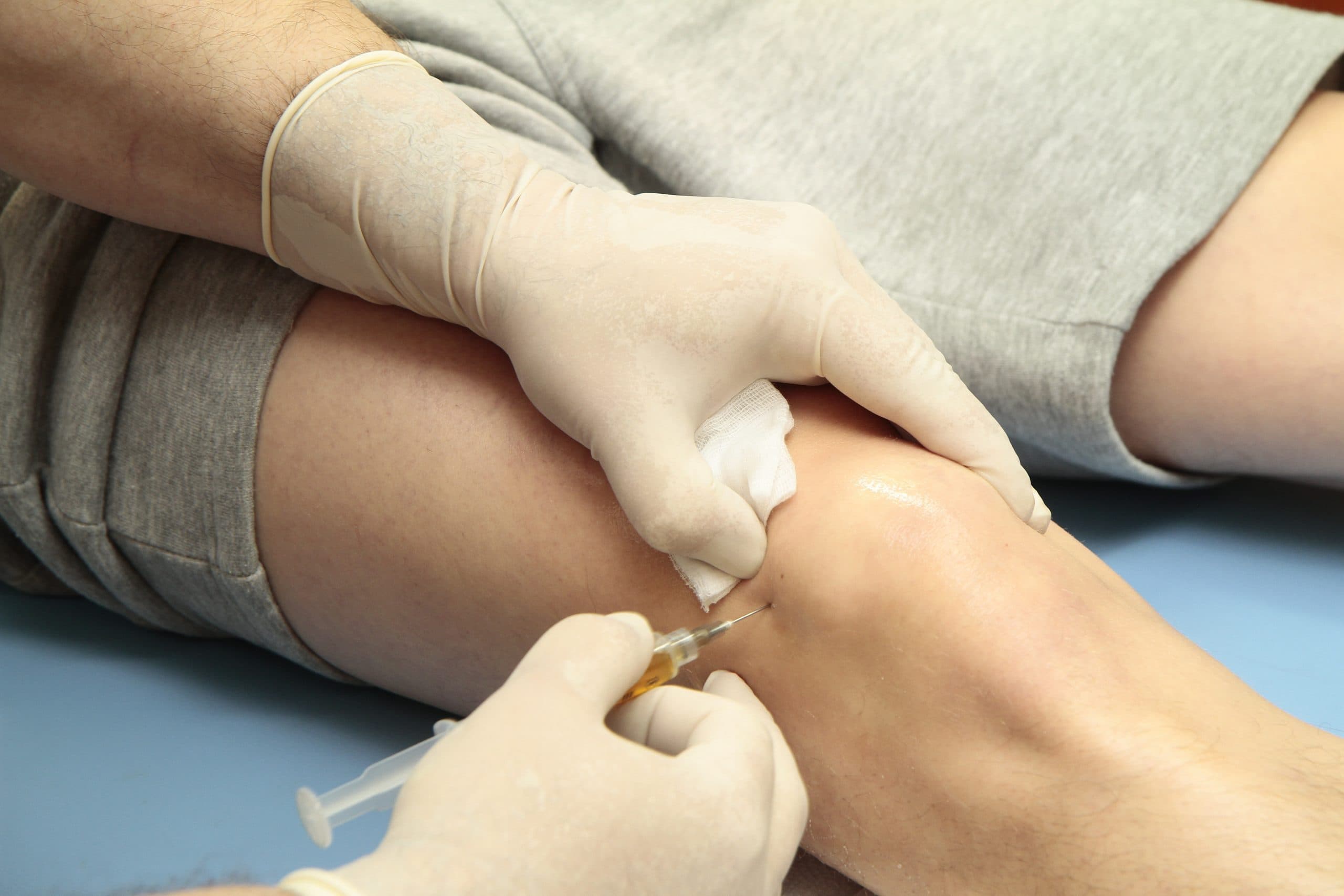
Close-up of Stem Cell / Medicinal Signaling Cell injection treatment

Stem Cell / Medicinal Signaling Cell

Find industry-leading Stem Cell / Medicinal Signaling Cell therapy UK to effectively ease your joint pain through our dedicated services at London Cartilage Clinic.

Knee Stem Cell / Medicinal Signaling Cell treatment illustration

Knee

Stem Cell / Medicinal Signaling Cell treatment is a highly effective method of regenerating or repairing injured or damaged tissue using the individual's own cells. In the case of the knee, Stem Cell / Medicinal Signaling Cell injections are mostly used in patients who are suffering with osteoarthritis or have a sports related injury.

Learn More
Cartilage Stem Cell / Medicinal Signaling Cell therapy illustration

Cartilage

At London Cartilage Clinic, we specialise in utilising Mesenchymal Stem Cells / Medicinal Signaling Cells (MSCs) for the regeneration and repair of cartilage. MSCs represent a breakthrough in non-invasive cartilage therapy, offering an effective alternative to traditional surgical methods.

Learn More
Shoulder Stem Cell / Medicinal Signaling Cell therapy illustration

Shoulder

London Cartilage Clinic is at the forefront of orthopaedic medicine, offering state-of-the-art Stem Cell / Medicinal Signaling Cell shoulder therapy. Utilising Mesenchymal Stem Cells / Medicinal Signaling Cells (MSCs), our innovative approach targets the natural regeneration and repair of shoulder joint tissues.

Learn More
Hip Stem Cell / Medicinal Signaling Cell therapy illustration

Hip

At London Cartilage Clinic, our pioneering Stem Cell / Medicinal Signaling Cell hip therapy utilises Mesenchymal Stem Cells / Medicinal Signaling Cells (MSCs) to offer non-surgical solutions for hip joint conditions. This innovative approach focuses on the natural regenerative capabilities of MSCs, providing a promising alternative to traditional hip surgeries.

Learn More
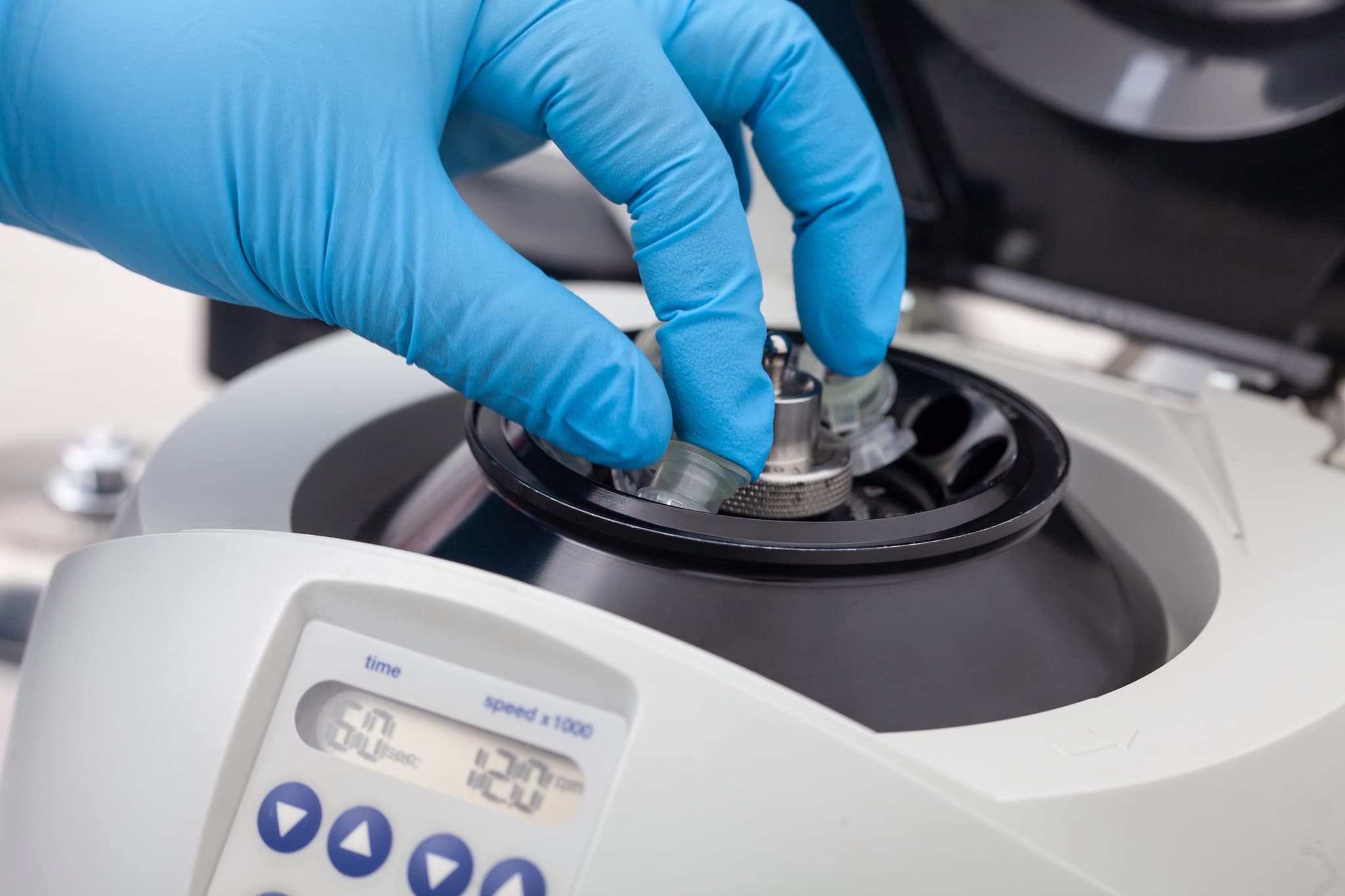
Gloved hand using centrifuge for Stem Cell / Medicinal Signaling Cell preparation

What is Medicinal Signaling Cell treatment?

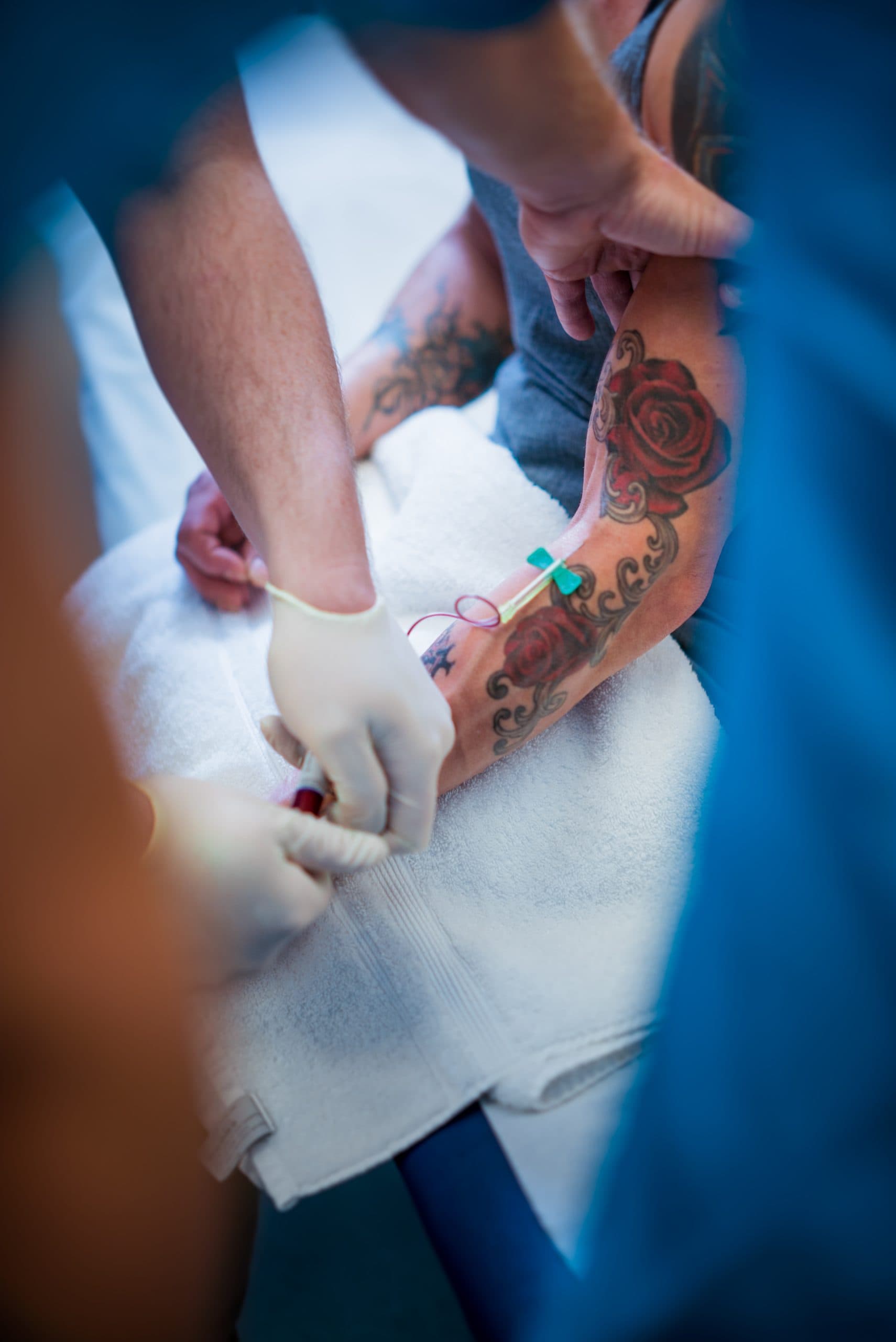
Stem Cell / Medicinal Signaling Cell therapy is a state-of-the-art procedure that involves taking healthy cells from an area of the body, usually the abdomen where there is fat tissue. The cells are then processed externally before being injected directly into the affected area. Once in the joint, they help regenerate and encourage healthy cartilage, tissue, tendons, or bone to grow and ultimately support healing.

When is Medicinal Signaling Cell therapy the right option?

Stem Cell / Medicinal Signaling Cell treatment won't be the first option you arrive at as soon as you start feeling a twinge in your joint and it won't be the right course of action for every patient. However, for some individuals who have been suffering with chronic and severe joint pain for a long time, it can be life changing. Medicinal Signaling Cell therapy is one of the most advanced regenerative treatments and should be worth consideration if you're experiencing joint issues as a result of:

  • Arthritis
  • Traumatic ligament injuries
  • Degenerative conditions
  • Meniscus tears

If you think this treatment could be right for you, contact London Cartilage Clinic today to book a consultation with one of our specialists.


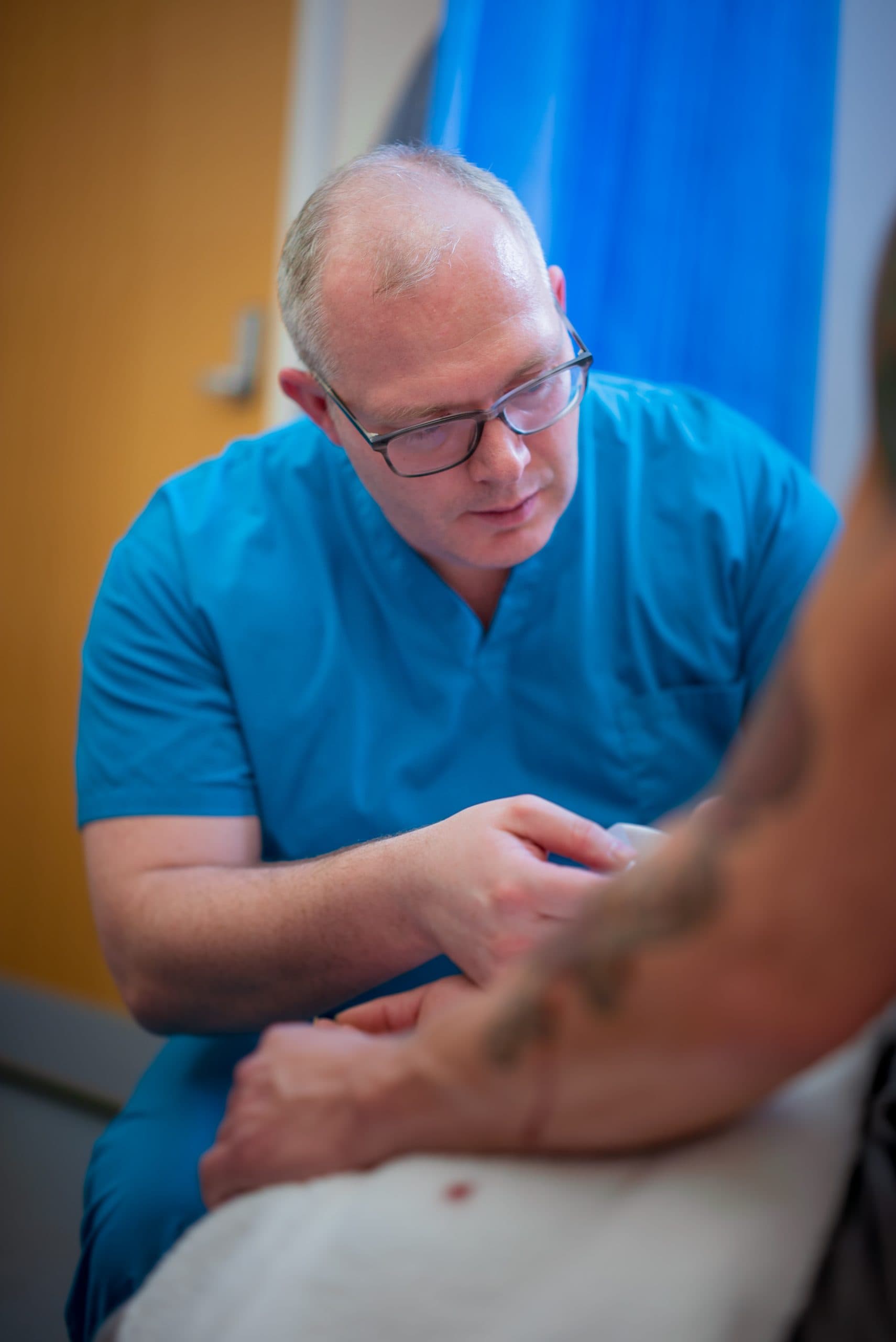
Doctor examining patient's arm in clinic
Blood draw procedure in clinic for regenerative treatment

How can London Cartilage Clinic help?

As a high-end medical clinic, situated on the well-known Harley Street, our Stem Cell / Medicinal Signaling Cell specialists are at the top of their field. We provide some of the most innovative and advanced treatments for joint issues with a proven track record of success. With years of industry experience and a detailed knowledge of various joint conditions and solutions, our team pride themselves on offering a premium patient experience that generates effective long-lasting results.

What are the benefits of Medicinal Signaling Cell therapy?

There are several benefits to pursuing Medicinal Signaling Cell treatment, including:

  • The procedure itself is quick and can be done on an outpatient basis.
  • There are minimal side effects as it uses your body's own resources, which also aids recovery time.
  • You can delay or even potentially avoid a more serious treatment option like invasive surgery on the joint.
  • You should start to notice a difference in your symptoms after only a few weeks and can eventually increase your activity levels without your previous discomfort.
consulting-in-office-with-pen

Frequently Asked Questions

Where in the body do Stem Cell / Medicinal Signaling Cells come from?

Stem Cell / Medicinal Signaling Cells can be found in various areas, but for this treatment they are most commonly taken from bone marrow or abdominal fat. The harvested cells are called mesenchymal stem cells (MSCs), and bone marrow treatment is often referred to as BMC (bone marrow concentrate).

What conditions can be treated with Stem Cell / Medicinal Signaling Cells?

Stem Cell / Medicinal Signaling Cell therapy is a reliable and effective way of treating conditions like osteoarthritis, cartilage defects, and trauma to joints from injury. This treatment is an option for patients who have not responded to other conservative care and want to avoid surgery. Bone marrow-derived cells can also help treat fractures that have not healed properly.

What's the difference between mesenchymal Stem Cells / Medicinal Signaling Cells and embryonic Stem Cells / Medicinal Signaling Cells?

Mesenchymal stem cells are taken from abdominal fat tissue or bone marrow in fully matured adults. They can only differentiate into connective tissue cells. Embryonic stem cells come from the undifferentiated inner mass of an embryo, which means they can differentiate into any type of cell.

Still have more specific concerns?

Free Discovery Call

London Cartilage Clinic

Latest Insights

Clinical updates, cartilage treatment guidance, and recovery-focused articles from our specialist team.

Hip and Knee Pain Connections Causes and Relief Strategies
Eleanor Hayes

Hip and Knee Pain Connections Causes and Relief Strategies

Hip and knee pain often occur together due to their interconnected structure and function, leading to compensatory movements and referred pain. Common causes include osteoarthritis, bursitis, ligament injuries, and overuse. Effective management involves gentle exercise, proper sleeping positions, and multidisciplinary care as emphasized by experts like Professor Paul Lee at the London Cartilage Clinic. Prompt medical attention is crucial for severe or persistent symptoms, such as night pain or swelling, to prevent further damage. Understanding these links and treatment strategies helps improve joint health and quality of life.

ChondroFiller Injectable Cartilage Repair Gel for Joint Healing
Eleanor Hayes

ChondroFiller Injectable Cartilage Repair Gel for Joint Healing

ChondroFiller is an innovative, minimally invasive injectable gel designed to repair damaged joint cartilage by acting as a cell-free scaffold that supports natural tissue regeneration. Unlike traditional surgery or stem cell therapies, ChondroFiller uses a unique collagen-based hydrogel to encourage healing, reduce pain, and speed recovery without introducing cells. Clinical studies demonstrate its safety, effective integration with surrounding cartilage, and promising outcomes in treating joint injuries. Expert care from specialists like Professor Paul Lee ensures personalized treatment plans to maximize benefits. This article explores how ChondroFiller compares to other methods, highlighting its potential as a convenient and effective solution for cartilage repair and joint health.

ChondroFiller for Accelerated Athletic Joint Recovery
Eleanor Hayes

ChondroFiller for Accelerated Athletic Joint Recovery

ChondroFiller is an innovative cartilage repair treatment gaining popularity among athletes due to its ability to support joint recovery and accelerate return to sports. Designed as a biocompatible scaffold, it promotes natural cartilage regeneration, especially in the knee, helping manage cartilage defects caused by athletic stresses. Clinical studies demonstrate its safety, effective integration, and significant improvement in joint function, making it ideal for active individuals seeking faster rehabilitation. Expert care from specialists, such as Professor Paul Lee at the London Cartilage Clinic, enhances treatment outcomes with personalized recovery plans. Suitable for mild to moderate cartilage damage, ChondroFiller offers athletes a promising solution to maintain performance while minimizing downtime.