

Introduction
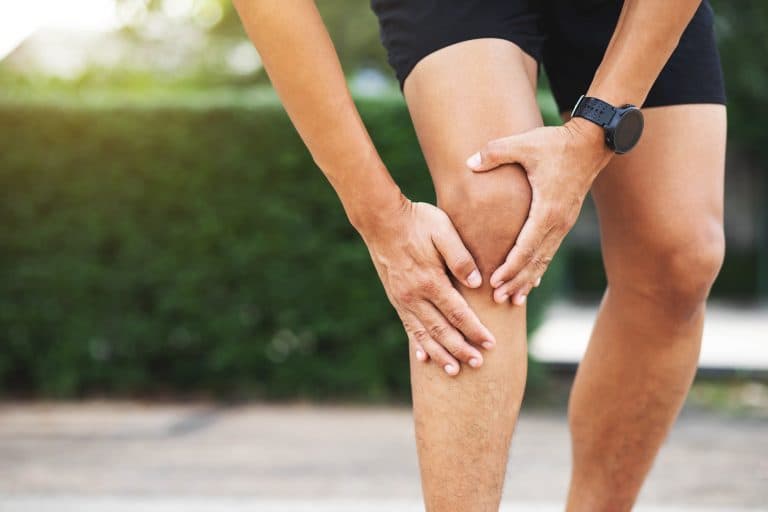
If you’ve ever experienced persistent knee pain while walking, running, or even just climbing stairs, you’re not alone. A frequent cause of this discomfort is damage to the knee cartilage —a specialised, smooth tissue that cushions your joints and helps them move easily. But what exactly is knee cartilage , and why is it so crucial for healthy knees? In this article, we’ll break down the vital role cartilage plays in your knee, the problems that can arise when it’s damaged, and new, natural ways you can support its recovery. We’ll also cover how long it usually takes to heal and explore non-surgical ways to encourage cartilage regrowth.
What Is Knee Cartilage and Why Does It Matter?
Knee cartilage , more accurately called articular cartilage , is a tough but flexible tissue that covers the ends of the bones where they meet inside your knee joint . Picture it as a natural shock absorber, preventing the bones from rubbing against each other and allowing your knee to glide smoothly during movement. This tissue is made mostly of water, along with strong collagen fibers and specialised cells called chondrocytes that help maintain and repair cartilage.
One important fact about cartilage is that it doesn’t have its own direct blood supply. This means it gets nutrients more slowly than other tissues do, making it tough for cartilage to heal if it gets injured. Because of this, cartilage damage can be slow and difficult to repair. Fortunately, doctors now use advanced imaging methods, like ultrasound and MRI, to monitor cartilage heal th and catch early changes before they become serious problems.
Free non-medical discussion
Not sure what to do next?
Information only · No medical advice or diagnosis.
Why Knee Cartilage Damage Can Be a Problem
Cartilage damage can occur from sudden injuries—like those that happen in sports—or can develop gradually over time from daily wear and tear. When cartilage begins to break down, you might notice pain, swelling, and stiffness, which can limit how well you move your knee. If the damage isn’t addressed, it can get worse and eventually lead to osteoarthritis , a condition that causes chronic joint pain and stiffness.
Doctors use MRI scans and other imaging tools to assess the condition of your cartilage and guide the best treatment plan. While surgery is sometimes necessary, there are now more options than ever for repairing knee cartilage without surgery, including therapies and supplements that may help support cartilage heal th. Although some supplements are popular—like glucosamine and chondroitin—research is still ongoing to confirm how effective they truly are.

New Hope: Natural and Biological Ways to Repair Knee Cartilage
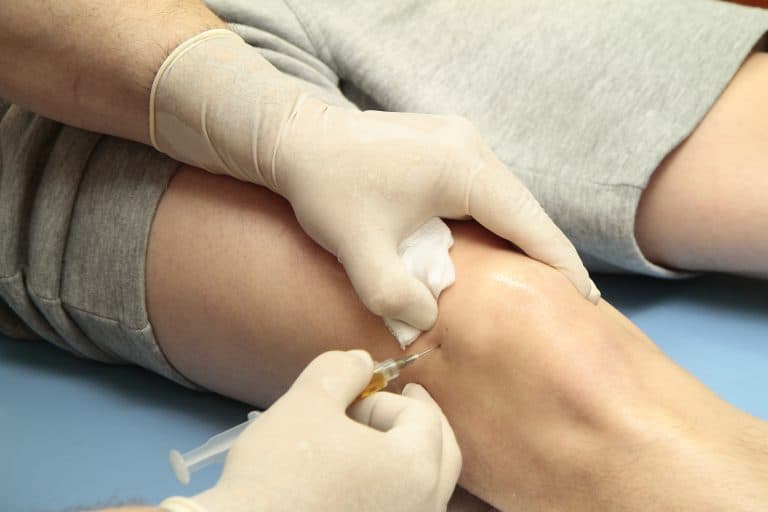
Recently, there’s been promising progress in natural and biological treatments that help the knee heal itself. Biological therapies, such as those using growth factors and stem cells , encourage your body’s natural repair processes and can help rebuild damaged cartilage. Other advanced methods, like autologous chondrocyte implantation (ACI), matrix-induced ACI (MACI), microfracture, and osteochondral autograft transfer (mosaicplasty), are also being used to promote cartilage regeneration . Additional approaches—including using scaffolds, platelet-rich plasma , special proteins, and even stem cell-coated implants—are under active research for their potential to protect and repair cartilage .
Supplements like glucosamine and chondroitin are widely taken for joint health, and combining them with healthy habits—like a balanced diet and regular, low-impact exercise—can help support your knees overall. While these new options are exciting, many biological and regenerative methods are still being studied to fully understand how well they work and who can benefit most.
Imaging technologies, like MRI cartilage mapping, are also making it easier for doctors to monitor cartilage heal th over time and offer personalised advice, especially for athletes or those at risk for arthritis.
Conclusion
Knee cartilage is essential for smooth, pain-free movement, but because it heals slowly, damage to this tissue can become a long-term challenge. While surgery remains a solution for some people, ongoing advances in natural and biological treatments offer fresh hope for repairing cartilage in less invasive ways.
As research continues to advance, the possibility of regrowing knee cartilage naturally is gradually becoming more realistic. By taking steps to protect your knees and exploring evidence-based therapies, you can make a real difference in managing cartilage damage and maintaining an active, healthy lifestyle.
References
Aisen, A. M., McCune, W. J., Macguire, A., Carson, P. L., Silver, T. M., Jafri, S., & Martel, W. (1984). Sonographic evaluation of the cartilage of the knee. Radiology, 153(3), 781-784. https://doi.org/10.1148/radiology.153.3.6387794
Refaat, M., Ali, M., Shahin, M. A., & Elshazly, I. (2022). Causes of knee joint pain related to cartilage: Evaluation by MRI cartilage mapping of the knee. Benha Medical Journal. https://doi.org/10.21608/bmfj.2022.163439.1672
Rodríguez‐Merchán, E. C. (2012). Regeneration of articular cartilage of the knee. Rheumatology International, 33(4), 837-845. https://doi.org/10.1007/s00296-012-2601-3
Frequently Asked Questions
- Professor Lee at the London Cartilage Clinic is renowned for his leading expertise in knee cartilage repair. He utilises advanced, research-supported biological and regenerative therapies tailored to each patient. With extensive experience in both traditional and cutting-edge techniques, Professor Lee offers world-class care in a welcoming, patient-centred environment.
- The London Cartilage Clinic provides comprehensive assessment and state-of-the-art non-surgical and surgical options for knee cartilage injuries. Utilising imaging technologies like MRI and advanced biological treatments, our clinic’s approach focuses on personalised therapies guided by Professor Lee’s extensive clinical skills and commitment to optimal patient outcomes.
- Yes, the London Cartilage Clinic offers various evidence-based non-surgical treatments, including biological therapies, platelet-rich plasma, and tailored exercise guidance. Professor Lee evaluates each patient’s unique needs and delivers care using the most up-to-date regenerative practices, aiming to facilitate natural healing whenever possible.
- Biological therapies—such as growth factors, stem cell treatments, and advanced implant techniques—encourage the body’s own repair mechanisms. At the London Cartilage Clinic, Professor Lee’s expertise ensures that only therapies supported by strong clinical research are considered, providing hope for many who seek minimally invasive solutions.
- Choosing the London Cartilage Clinic means entrusting your care to a leading UK centre with Professor Lee at the helm. The clinic prioritises patient education, modern technology, and the latest medical advances to support recovery—they ensure each patient receives compassionate, expert-driven care tailored specifically to their knee health needs.
Legal & Medical Disclaimer
This article is written by an independent contributor and reflects their own views and experience, not necessarily those of London Cartilage Clinic. It is provided for general information and education only and does not constitute medical advice, diagnosis, or treatment.
Always seek personalised advice from a qualified healthcare professional before making decisions about your health. London Cartilage Clinic accepts no responsibility for errors, omissions, third-party content, or any loss, damage, or injury arising from reliance on this material.
If you believe this article contains inaccurate or infringing content, please contact us at [email protected].
London Cartilage Clinic
Modern treatments, designed for lasting knee outcomes
Every treatment plan is selected to help you return to the quality of life you deserve. Our team combines up-to-date techniques with consultant-led decision making across cartilage repair, regeneration and replacement.
What your journey can look like
Step 01
Consultant-Led Assessment
Symptoms, imaging and goals reviewed in one structured appointment.
Step 02
Personalised Treatment Plan
A clear route chosen from repair, regeneration or replacement options.
Step 03
Precision Delivery
Modern techniques and specialist equipment matched to your diagnosis.
Step 04
Long-Term Knee Health
Follow-up guidance focused on durable function and quality of life.
Will the Arthrosamid work for me
PAAG-8+ Questionnaire
A bright, structured entry point for patients exploring Arthrosamid. The questionnaire helps frame suitability, expectations, and 24-month clinical benefit discussion before a fuller consultant-led review.
Designed for shared decision-making. It does not replace specialist consultation, examination, imaging review, or formal medical advice.