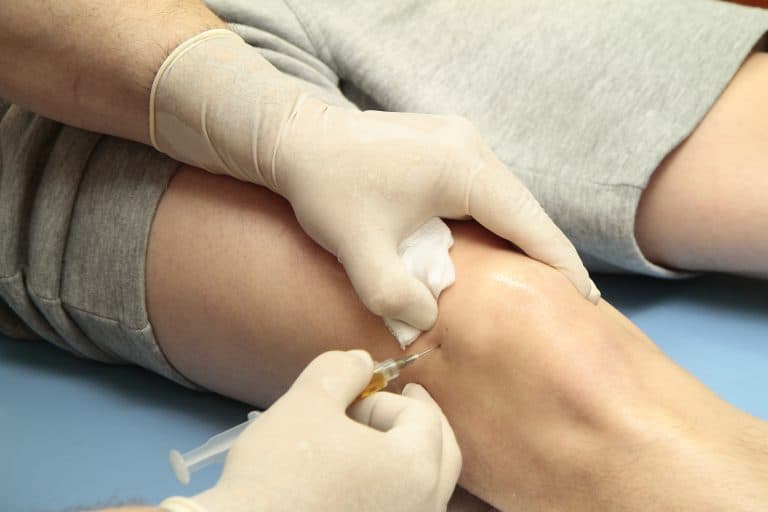



Knee cap dislocation is a condition where the patella (kneecap) slides out of its normal position in the trochlear groove at the junction of the femur and tibia. This dislocation can lead to knee instability, pain, and swelling, significantly affecting mobility and quality of life. At London Cartilage Clinic, we specialize in advanced treatments for knee cap dislocation and realignment, including the revolutionary STARR MPFL repair.
Causes of Knee Cap Dislocation
Knee cap dislocation can result from various factors, including inherited traits like a high-seated kneecap or shallow trochlear groove, trauma, and skeletal immaturity. Each dislocation can stretch soft tissues, increasing the risk of recurrence. In cases of recurrent patella dislocation, the risk of further dislocation can increase to 70-80% after two episodes.
Free non-medical discussion
Not sure what to do next?
Information only · No medical advice or diagnosis.
Impact of Knee Cap Dislocation on Cartilage
Repeated knee cap dislocation not only causes discomfort and instability but also poses a significant risk to the cartilage. Each dislocation can potentially damage the articular cartilage beneath the patella and the end of the femur, which are critical for smooth movement of the joint. The more frequently the patella dislocates, the greater the risk of cartilage damage, leading to increased pain and potentially accelerating the onset of degenerative joint conditions. Addressing knee cap dislocations promptly and effectively is crucial to minimize the risk of cartilage damage and maintain knee joint health.

Non-Surgical and Surgical Treatments
Non-surgical treatments, such as physiotherapy, medication, and knee braces, are often the first line of treatment, particularly for initial dislocations. However, in cases of recurrent dislocation or when conservative treatments are ineffective, surgery may be required. Surgical methods include arthroscopy, MPFL reconstruction using hamstring tendon, and realignment procedures like tibial tuberosity transfer or trochleoplasty.
The STARR MPFL Repair Technique
The STARR (Soft Tissue Augmented Regenerative Repair) technique is a less invasive and efficient approach for MPFL repair. It enhances biomechanical stability and reduces recovery time by reinforcing the ligament with a biocompatible scaffold. This technique represents a significant advancement in orthopaedic surgery, offering quicker recovery and more favourable long-term outcomes compared to traditional methods.
Frequently Asked Questions
- Common symptoms include pain around the kneecap, swelling, and a feeling of instability or potential for further dislocation.
- Recovery time varies, but patients can usually return to full activity in a few months, with physiotherapy playing a crucial role in rehabilitation.
- The STARR technique offers a holistic approach to ligament repair, focusing on biomechanical stability, optimal healing environment, and regeneration of the ligament, leading to quicker recovery and better long-term outcomes.
Legal & Medical Disclaimer
This article is written by an independent contributor and reflects their own views and experience, not necessarily those of London Cartilage Clinic. It is provided for general information and education only and does not constitute medical advice, diagnosis, or treatment.
Always seek personalised advice from a qualified healthcare professional before making decisions about your health. London Cartilage Clinic accepts no responsibility for errors, omissions, third-party content, or any loss, damage, or injury arising from reliance on this material.
If you believe this article contains inaccurate or infringing content, please contact us at [email protected].
London Cartilage Clinic
Modern treatments, designed for lasting knee outcomes
Every treatment plan is selected to help you return to the quality of life you deserve. Our team combines up-to-date techniques with consultant-led decision making across cartilage repair, regeneration and replacement.
What your journey can look like
Step 01
Consultant-Led Assessment
Symptoms, imaging and goals reviewed in one structured appointment.
Step 02
Personalised Treatment Plan
A clear route chosen from repair, regeneration or replacement options.
Step 03
Precision Delivery
Modern techniques and specialist equipment matched to your diagnosis.
Step 04
Long-Term Knee Health
Follow-up guidance focused on durable function and quality of life.
Will the Arthrosamid work for me
PAAG-8+ Questionnaire
A bright, structured entry point for patients exploring Arthrosamid. The questionnaire helps frame suitability, expectations, and 24-month clinical benefit discussion before a fuller consultant-led review.
Designed for shared decision-making. It does not replace specialist consultation, examination, imaging review, or formal medical advice.