







Long-Term Effects of ACL Tears Managed Without Surgery: What You Need to Know
Insights

Long-Term Effects of ACL Tears Managed Without Surgery: What You Need to Know

Eleanor Hayes

Introduction: What Is an ACL Tear and How Is It Treated?

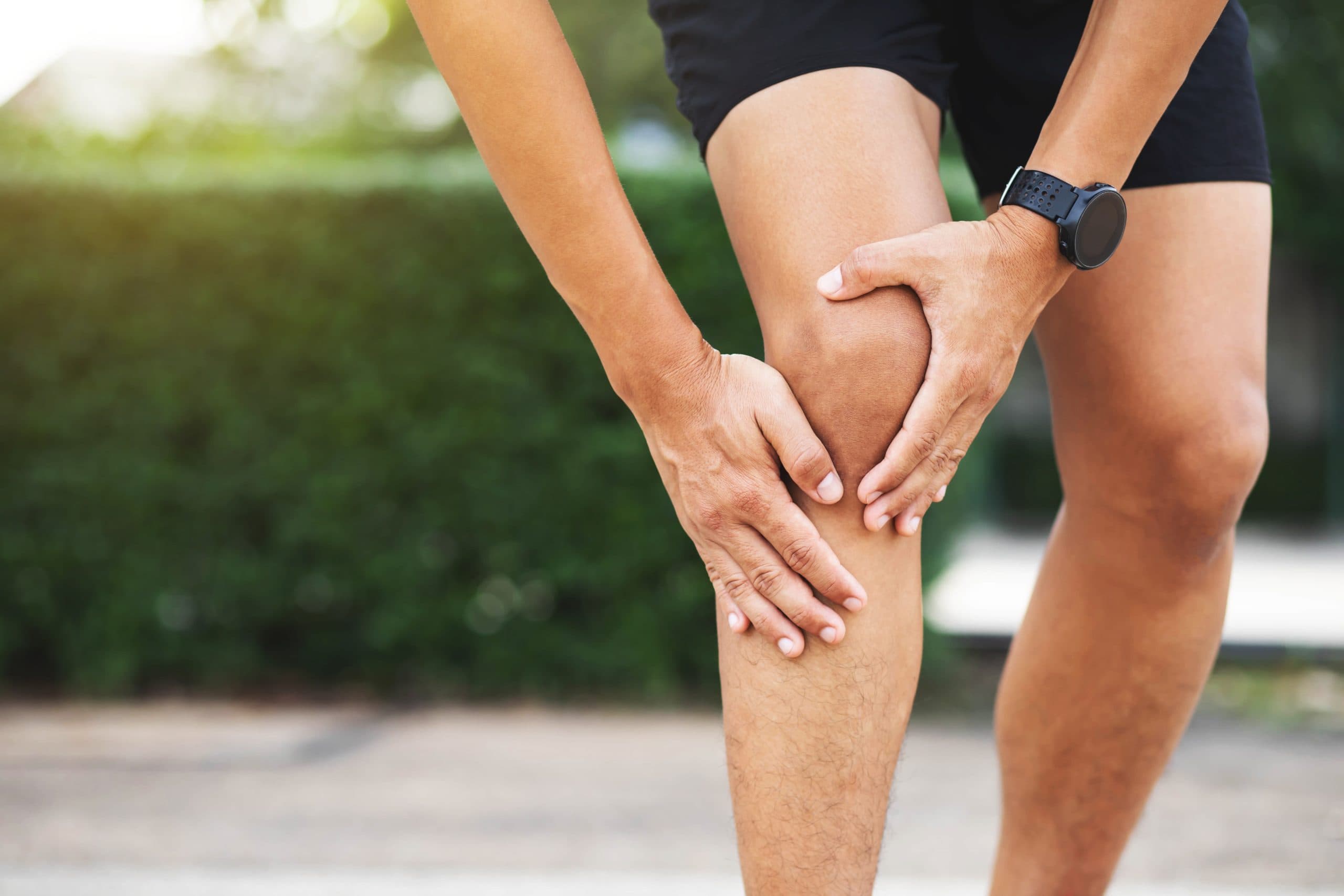
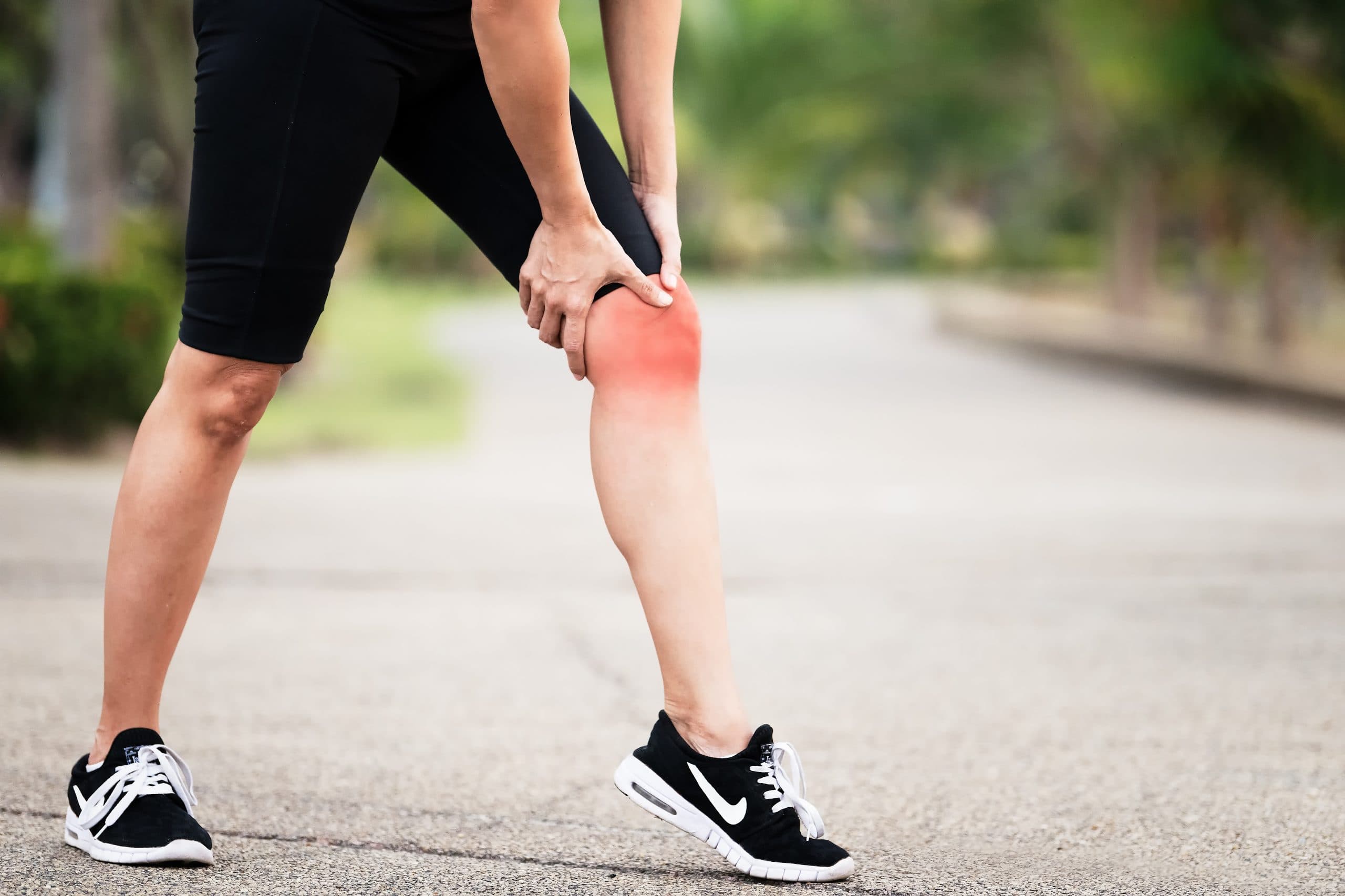
The anterior cruciate ligament (ACL) is one of the main ligaments that stabilizes your knee. ACL tears are especially common among athletes and active people, often caused by a sudden twist or impact to the knee. Surgery is frequently recommended to repair the ligament and restore knee stability , but not everyone chooses or is advised to go that route. Understanding the long-term outcomes of managing an ACL tear without surgery is essential for making informed choices about treatment and recovery.

What Research Tells Us About Non-Surgical Treatment

Research shows that non- surgical treatment can be effective for some people with ACL tears . Many patients experience partial healing and learn to adapt by modifying how they move. However, it’s rare for the ACL to regain its original strength and stability without surgery. Most people treated non-surgically report some level of knee instability, though many are able to adapt well with physical therapy and the right rehab plan. Success depends on factors like the severity of the injury , activity levels, and commitment to rehabilitation.

The Physical Impact of Skipping Surgery

Choosing not to have surgery often means living with some ongoing knee instability —many describe their knee as “giving way” or feeling wobbly. To compensate, people tend to change how they move or walk, which can lead to muscle imbalances and additional joint stress. Over time, these adjustments may increase the risk of developing osteoarthritis , a condition that causes joint pain, stiffness, and reduced movement. Long-term studies have found that those managed without ACL surgery have higher rates of osteoarthritis compared to those who undergo reconstruction. These physical changes can affect daily activities and highlight the importance of a personalized plan to manage symptoms and protect long- term knee health .

The Emotional Side of ACL Injuries

Living with an ACL tear without surgery doesn't just impact your body—it can also affect your mental health. Dealing with pain, worries about re-injury , and limits on activities can be stressful and frustrating. Combining physical rehabilitation with emotional support—like counseling, support groups, or stress management—can make a big difference in mood and overall adjustment. Staying positive and motivated is a key part of coping with the changes and challenges that come with a non-surgically managed ACL injury .

How Rehabilitation and Lifestyle Changes Help

Successfully managing an ACL tear without surgery means more than just taking it easy. A focused rehab program is essential—strengthening the muscles around your knee , improving balance, and working on coordination all help make the knee more stable. Lifestyle changes, like modifying activities to be easier on your knee and maintaining a healthy weight, can help reduce strain and slow the progression of joint wear. For many, non- surgical treatment still allows a return to lower-impact activities, especially when they stick to their rehab and adjust their routines. These strategies—when combined—can help people live active, fulfilling lives despite an ACL injury .

Conclusion: Weighing the Pros and Cons

Ultimately, choosing a non-surgical approach for an ACL tear is about balancing the benefits—like avoiding surgery and recovery downtime—with the challenges, such as ongoing instability and an increased risk of arthritis. It’s crucial for patients to have honest, research-based conversations with their healthcare providers about what to expect. With the right care, commitment to rehab, and healthy lifestyle choices, many people can maintain a good quality of life without surgery. Staying informed and proactive is the best way to support your long- term knee health .

References

Sanders, T. L., Pareek, A., Kremers, H. M., Bryan, A. J., Levy, B. A., Stuart, M. J., Dahm, D. L., & Krych, A. J. (2016). Long-term follow-up of isolated ACL tears treated without ligament reconstruction. Knee Surgery, Sports Traumatology, Arthroscopy, 25(2), 493-500.

Sequential diagrammatic reformulation of the long-term effects of complex and distant trauma. (2004). In A coming together of CBT and CAT (pp. 162–192). Routledge. https://doi.org/10.4324/9780203493533-18

Where to go from here

A few next steps tailored to what you have just read.

Legal & Medical Disclaimer

This article is written by an independent contributor and reflects their own views and experience, not necessarily those of London Cartilage Clinic. It is provided for general information and education only and does not constitute medical advice, diagnosis, or treatment.

Always seek personalised advice from a qualified healthcare professional before making decisions about your health. London Cartilage Clinic accepts no responsibility for errors, omissions, third-party content, or any loss, damage, or injury arising from reliance on this material.

If you believe this article contains inaccurate or infringing content, please contact us at [email protected].

Last reviewed: 2026For urgent medical concerns, contact your local emergency services.

London Cartilage Clinic

Latest Insights

Clinical updates, cartilage treatment guidance, and recovery-focused articles from our specialist team.

Figure Four Stretch Benefits and Technique for Hip Health
Eleanor Hayes

Figure Four Stretch Benefits and Technique for Hip Health

The figure four stretch, endorsed by Professor Paul Lee and the London Cartilage Clinic, is a simple yet effective exercise that improves hip mobility, reduces lower back tension, and enhances flexibility. Originating from yoga, it targets key hip muscles like the piriformis and gluteus maximus, benefiting office workers, athletes, and those with sciatica by easing pressure on the sciatic nerve. Performable lying or seated, this stretch supports musculoskeletal health and can be adapted for varying mobility levels. Experts emphasize safe practice and tailored advice to maximize benefits and prevent injury. Incorporating the figure four stretch into daily routines promotes hip flexibility and overall joint health, making it a valuable tool in rehabilitation and fitness.

Advanced Cartilage Regeneration Gels Transforming Knee Joint Health
Eleanor Hayes

Advanced Cartilage Regeneration Gels Transforming Knee Joint Health

Knee cartilage damage impairs mobility and quality of life, with limited natural healing. Recent advances in gel-based therapies—including peptide and protein hydrogels—offer promising cartilage regeneration by mimicking natural tissue and stimulating chondrocyte growth. Unlike traditional injections that relieve symptoms, these next-generation gels actively promote healthy cartilage repair through minimally invasive injections. Clinical studies demonstrate significant improvements in pain and function, showcasing better outcomes than conventional treatments. Expert-led centers combine these innovative therapies with rehabilitation for optimal recovery. While patient responses vary, ongoing research aims to refine personalized approaches and long-term effectiveness. These advances provide hopeful new options for managing knee cartilage injuries beyond symptom management.

ACL Tear Symptoms and Treatment Importance
Eleanor Hayes

ACL Tear Symptoms and Treatment Importance

An ACL tear is a common knee injury, especially in sports involving sudden stops and pivots, causing sharp pain, a popping sound, and knee instability. The anterior cruciate ligament stabilizes the knee by controlling shin movement and preventing excessive twisting. Immediate symptoms include swelling and difficulty bearing weight, while diagnosis typically requires MRI imaging to confirm the ligament damage. Proper medical evaluation and expert care, such as at the London Cartilage Clinic, are crucial for tailored treatment and recovery. Understanding ACL tear symptoms and causes helps in timely intervention and preventing further injury.

Privacy & Cookies Policy