


Innovative Biomaterials and Surgical Advances in Ankle Cartilage Repair: Overcoming Clinical Challenges
Introduction
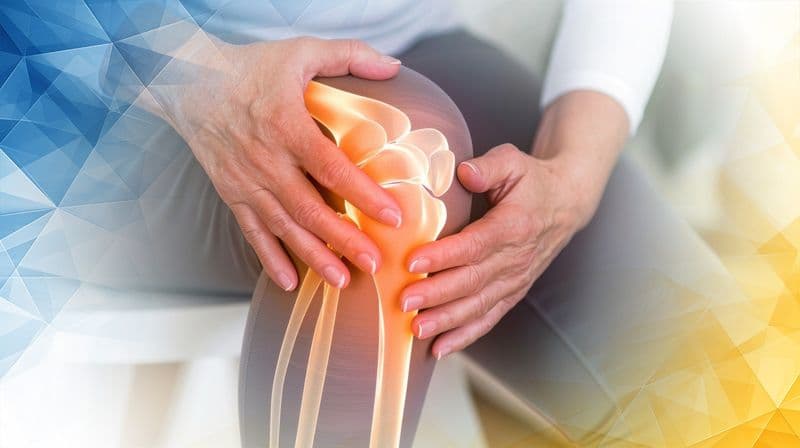
The ankle joint plays a crucial role in supporting your body weight and enabling movement, from walking and running to jumping. At the core of this joint is cartilage —a smooth, flexible tissue that cushions bones and allows them to glide effortlessly against one another. When ankle cartilage is damaged, it can lead to pain, stiffness, and limited mobility, all of which can severely impact daily life.
Cartilage repair in the ankle has long posed a challenge because this tissue has a limited ability to heal itself. Traditional treatments often bring only temporary relief. But recent advances in science and medicine are changing the landscape. Researchers and surgeons are innovating with new materials and surgical techniques that help the body rebuild cartilage more effectively, offering better outcomes for patients. The growing need for improved ankle cartilage treatments has driven the shift toward these novel approaches.
Understanding Ankle Cartilage and Its Challenges
To understand why ankle cartilage is difficult to repair, it helps to look at the joint’s biology. Cartilage is a tough but flexible tissue covering the ends of bones, acting as a shock absorber to protect the joint and reduce friction. Injuries—such as sprains and fractures—or chronic conditions like arthritis can damage ankle cartilage , resulting in pain and loss of stability.
A major reason cartilage heals poorly is its lack of blood vessels. Unlike many other tissues, cartilage doesn ’t have a direct blood supply, meaning fewer nutrients and healing cells reach the area. Traditional repair methods, like microfracture surgery (where tiny holes are made in the bone to trigger healing) or grafting cartilage from elsewhere, can help—but they often don’t fully restore the tissue’s original function or durability.
In recent years, our understanding of cartilage damage and repair has deepened. Researchers have discovered that ankle cartilage is biologically and biomechanically distinct from cartilage in other joints, such as the knee or hip. This insight has led to tailored solutions designed specifically for the ankle . Advances in imaging have also improved diagnosis, though traditional scans can still miss the tissue’s fine details—highlighting the need for new evaluation technologies.
Free non-medical discussion
Not sure what to do next?
Information only · No medical advice or diagnosis.
Cutting-Edge Biomaterials for Cartilage Repair
One of the most exciting breakthroughs in ankle cartilage repair is the emergence of biomaterials—engineered substances that help guide and support the body’s healing processes. These materials work like scaffolds, providing a sturdy yet flexible framework for new cartilage cells to grow.
Hydrogels are a prime example. Made from substances such as collagen or hyaluronic acid, these gel-like materials are biocompatible and gradually dissolve as new tissue takes their place. Some advanced biomaterials also incorporate growth factors—proteins that stimulate cell development and tissue repair —creating an even more nurturing environment for regrowth.
By tailoring these biomaterials to meet the unique demands of the ankle joint, scientists are designing scaffolds that are strong, resilient, and able to withstand everyday movement. Modern biomaterial designs now focus on supporting healthy tissue regeneration at a molecular level—not just filling in gaps but fostering genuine, long-lasting repair.

Modern Surgical Techniques That Make a Difference
Along with material innovations, surgical techniques for ankle cartilage repair have become much more precise and less invasive. Surgeons now use advanced imaging tools like MRI and CT scans to map the extent and location of cartilage damage before surgery, allowing for highly detailed planning.
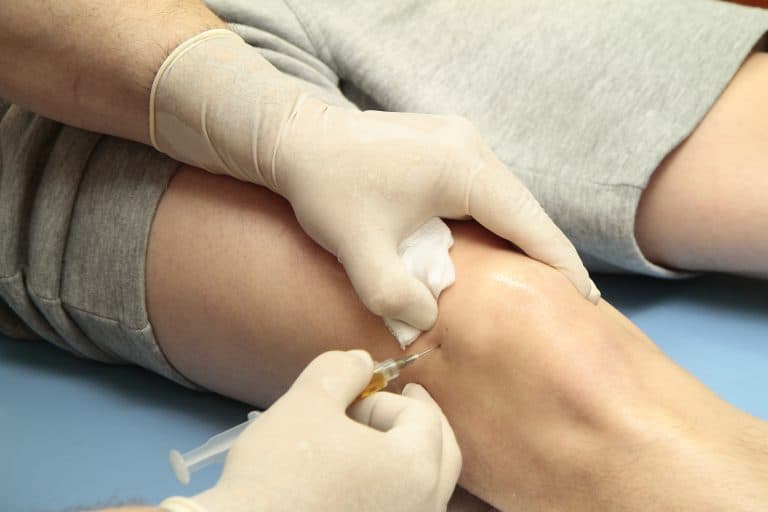
During the operation itself, minimally invasive procedures involve small incisions and specialized instruments, often guided by a tiny camera. Surgeons can then place biomaterial scaffolds directly into the damaged area with remarkable accuracy, preserving healthy tissue around the injury .
A standout technique is matrix-induced autologous chondrocyte implantation (MACI). In this process, a sample of the patient’s own cartilage cells is collected, expanded in the lab on a scaffold, and then re-implanted into the injured joint. This approach encourages real cartilage regeneration —resulting in better, more lasting joint function.
Following surgery , rehabilitation programs are customized to carefully restore movement and strength without overloading the newly repaired cartilage . Research shows that combining these innovative biomaterials with advanced surgical methods can significantly reduce pain and improve ankle function compared to traditional treatments.
Looking Ahead: Challenges and Opportunities
While these advancements are incredibly promising, challenges remain. Scientists are still working to ensure that implanted biomaterials fully integrate and perform like natural cartilage over the long term. Larger clinical studies will be crucial to identify the most effective materials and surgical techniques for different cartilage injuries.
Future directions include enhancing biomaterials with biological signals that reduce inflammation and speed up healing. Ongoing collaboration between researchers, engineers, and surgeons will be key to bringing even more effective solutions to patients.
Thanks to these innovative approaches, people with ankle cartilage injuries can look forward to treatments that are not only more effective but also less invasive—helping them regain movement, reduce pain, and enjoy life to the fullest.
References
- Nehrer, S., & Vannini, F. (2016). Ankle Cartilage Repair. Cartilage, 8(1), 11-11. https://doi.org/10.1177/1947603516678519
- Dahmen, J., Bayer, S., Toale, J., Mulvin, C., Hurley, E. T., Batista, J., Berlet, G. C., DiGiovanni, C. W., Ferkel, R. D., Hua, Y., & others. (2022). Osteochondral Lesions of the Tibial Plafond and Ankle Instability With Ankle Cartilage Lesions: Proceedings of the International Consensus Meeting on Cartilage Repair of the Ankle. Foot & Ankle International, 43(3), 448-452. https://doi.org/10.1177/10711007211049169
- Schreiner, M., Mlynárik, V., Zbýň, Š., Szomolányi, P., Apprich, S., Windhager, R., & Trattnig, S. (2016). New technology in imaging cartilage of the ankle. Cartilage, 8(1), 31-41. https://doi.org/10.1177/1947603516632848
Legal & Medical Disclaimer
This article is written by an independent contributor and reflects their own views and experience, not necessarily those of London Cartilage Clinic. It is provided for general information and education only and does not constitute medical advice, diagnosis, or treatment.
Always seek personalised advice from a qualified healthcare professional before making decisions about your health. London Cartilage Clinic accepts no responsibility for errors, omissions, third-party content, or any loss, damage, or injury arising from reliance on this material.
If you believe this article contains inaccurate or infringing content, please contact us at [email protected].
London Cartilage Clinic
Modern treatments, designed for lasting knee outcomes
Every treatment plan is selected to help you return to the quality of life you deserve. Our team combines up-to-date techniques with consultant-led decision making across cartilage repair, regeneration and replacement.
What your journey can look like
Step 01
Consultant-Led Assessment
Symptoms, imaging and goals reviewed in one structured appointment.
Step 02
Personalised Treatment Plan
A clear route chosen from repair, regeneration or replacement options.
Step 03
Precision Delivery
Modern techniques and specialist equipment matched to your diagnosis.
Step 04
Long-Term Knee Health
Follow-up guidance focused on durable function and quality of life.
Will the Arthrosamid work for me
PAAG-8+ Questionnaire
A bright, structured entry point for patients exploring Arthrosamid. The questionnaire helps frame suitability, expectations, and 24-month clinical benefit discussion before a fuller consultant-led review.
Designed for shared decision-making. It does not replace specialist consultation, examination, imaging review, or formal medical advice.