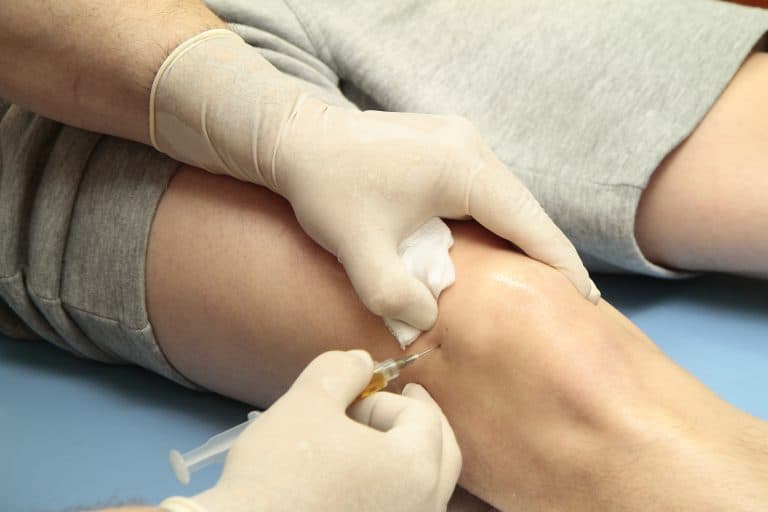



It’s a common question: if ChondroFiller isn’t held down with stitches, what keeps it from moving around inside your joint? This is a crucial point when it comes to cartilage repair —after all, your joints are always on the move and under pressure. Yet, ChondroFiller delivers a modern, minimally invasive solution: a one-step, injectable treatment that skips stitches, screws, or anchors entirely. In this post, we’ll break down exactly how ChondroFiller ’s special collagen blend, expert surgical technique, and natural setting process work together to hold it securely in place. We’ll also share the importance of skilled care at the London Cartilage Clinic and review the latest research that supports its use.
Understanding ChondroFiller’s Composition and Setting Process
ChondroFiller Liquid is a collagen -based gel, conveniently packaged in a syringe for straightforward use in surgery. The main ingredient is type I collagen —a protein renowned for its strength and compatibility with the human body’s own tissues. Before it’s injected, the gel is gently warmed to around 33 °C (a little above body temperature), so that when it enters the cartilage defect, it activates and begins to set.
Once injected into the dry area where cartilage is damaged, the liquid quickly turns into a semi-solid gel through a process called gelation. This transformation takes about five minutes under standard conditions, or up to fifteen minutes when using CO₂ arthroscopy —a technique that replaces joint fluid with carbon dioxide to keep the defect completely dry. As it sets, the gel forms a stable, absorbable scaffold that fills the cartilage defect , providing the ideal foundation for new tissue to grow. This collagen scaffold “locks” into place by closely fitting the prepared area—no stitches or anchors needed. Clinical studies have shown that this technique is both safe and effective, with positive outcomes reported in patients with large cartilage defects.
Mechanical Locking: How Arthroscopic Preparation and Gelation Secure Adherence
The real magic lies in how the damaged cartilage area is prepared before ChondroFiller is applied. During arthroscopic surgery —a keyhole operation using a tiny camera and instruments—the surgeon carefully removes loose or damaged tissue and shapes the edges around the defect. This creates a firm ledge, or “shoulder,” to support the ChondroFiller gel, much like a frame helps hold a puzzle piece in place.
Next, the joint is drained of all fluid, and carbon dioxide is introduced to create a dry environment. This dryness is essential: it helps the gel settle exactly where it’s needed. The surgeon also roughens the surface slightly, creating microscopic grooves and indentations—think of it like giving Velcro something to grip onto. As the collagen gel is injected, it flows into every tiny crevice, and as it solidifies, it binds mechanically to the newly prepared surface. This “mechanical locking” holds the repair material in place even as the joint moves, eliminating the need for stitches and making the entire process simpler and more comfortable for the patient.
Collagen Matrix as a Scaffold for Cellular Migration
ChondroFiller ’s hold isn’t just physical—it’s also biological. The collagen gel serves as a scaffold, or a temporary framework, that actively attracts the body’s own healing cells. Stem cells from nearby bone and cartilage tissue naturally migrate into the collagen matrix, where they get to work repairing and regenerating new cartilage .
Studies both in the lab and in patients show that these cells enter the scaffold, start producing essential molecules, and gradually rebuild cartilage tissue. What’s unique about ChondroFiller is how its porous, bioactive structure supports natural cartilage growth, rather than just plugging a gap. This encourages long-lasting, healthy repair—a real advantage over older techniques.
Free non-medical discussion
Not sure what to do next?
Information only · No medical advice or diagnosis.
Clinical Expertise at London Cartilage Clinic
Of course, even the best materials and methods depend on expert delivery. At the London Cartilage Clinic , Professor Paul Lee leads an experienced team dedicated to advanced cartilage repair . With deep expertise in orthopaedics and rehabilitation, Professor Lee ensures that every stage—from patient selection to rehabilitation—is handled with care.
Treatment begins with selecting patients who are most likely to benefit from ChondroFiller , then using precise arthroscopic technique to prepare the defect and place the gel under ideal conditions. Thoughtful, personalised aftercare helps support healing and maximise your results. This blend of experience, attention to detail, and patient-centered care makes the London Cartilage Clinic a trusted leader in joint restoration.

Research Evidence and Patient Outcomes
The science behind ChondroFiller is compelling. Clinical studies show that patients with cartilage defects in the knee and ankle experience significant improvement in knee function scores, with average ratings rising from about 48 before treatment to 80 three years after. Feedback is overwhelmingly positive—most patients report high satisfaction, saying they would choose the procedure again, and there are no major complications documented.
MRI scans show that repair tissue integrates rapidly, with early signs of successful healing. Compared to traditional surgical approaches like microfracture, ChondroFiller offers similar safety but with a simpler, less invasive procedure. While ongoing research is tracking its long-term benefits, current evidence highlights ChondroFiller as a safe, effective, and patient-friendly option for cartilage repair .
Conclusion
ChondroFiller stays securely in place without stitches, thanks to meticulous surgical preparation, quick-setting gelation, and a collagen scaffold that supports your body’s own healing. The experience of Professor Paul Lee and the team at the London Cartilage Clinic ensures excellent outcomes and high standards of patient care. If you’re considering cartilage repair or want to learn more, reach out to a qualified healthcare professional for tailored advice.
This article aims to make the science behind ChondroFiller straightforward and accessible, combining clinical expertise with clear explanations for anyone interested in state-of-the-art cartilage repair .
References
Corain, M., Zanotti, F., Giardini, M., Gasperotti, L., Invernizzi, E., Biasi, V., & Lavagnolo, U. (2023). The Use of an Acellular Collagen Matrix ChondroFiller® Liquid for Trapeziometacarpal Osteoarthritis. . https://doi.org/10.1177/19476035251354926
Weizel, A., Distler, T., Schneidereit, D., & Friedrich, O. (2020). Complex mechanical behavior of human articular cartilage and hydrogels for cartilage repair. Acta Biomaterialia. https://doi.org/10.1016/j.actbio.2020.10.025
De Lucas Villarrubi, J. C., Méndez Alonso, M. Á., Sanz Pérez, M. I., Trell Lesmes, F., & Panadero Tapia, A. (2021). Acellular Matrix-Induced Chondrogenesis Technique Improves the Results of Chondral Lesions Associated With Femoroacetabular Impingement. . https://doi.org/10.1016/j.arthro.2021.08.022
Frequently Asked Questions
- ChondroFiller uses a unique collagen gel that sets quickly upon injection into the prepared cartilage defect. Expert surgical technique at London Cartilage Clinic, especially by Professor Paul Lee, ensures the gel fits securely, “locking” it in place without stitches, making the whole procedure simpler and more comfortable.
- Unlike traditional approaches that may require stitches or screws, ChondroFiller is a modern, minimally invasive injectable gel. Its collagen-based scaffold provides a stable, absorbable support for new cartilage growth and offers patients a less invasive, scientifically advanced option at the London Cartilage Clinic.
- Successful ChondroFiller treatment depends greatly on the surgeon’s skill in preparing the cartilage and applying the gel. At the London Cartilage Clinic, Professor Paul Lee’s extensive orthopaedic experience ensures precise delivery and personalised aftercare, supporting excellent patient outcomes and high standards of joint restoration.
- Clinical studies and patient feedback have shown significant improvements in knee function and high levels of satisfaction following ChondroFiller treatment. Most patients report positive experiences, with no major complications noted, supporting London Cartilage Clinic’s leading reputation in innovative cartilage repair.
- The London Cartilage Clinic, led by Professor Paul Lee, offers expert, patient-focused care using the latest cartilage repair techniques. With a proven track record in advanced orthopaedics and rehabilitation, the clinic achieves successful outcomes and supports recovery through meticulous treatment planning and attentive aftercare.
Legal & Medical Disclaimer
This article is written by an independent contributor and reflects their own views and experience, not necessarily those of London Cartilage Clinic. It is provided for general information and education only and does not constitute medical advice, diagnosis, or treatment.
Always seek personalised advice from a qualified healthcare professional before making decisions about your health. London Cartilage Clinic accepts no responsibility for errors, omissions, third-party content, or any loss, damage, or injury arising from reliance on this material.
If you believe this article contains inaccurate or infringing content, please contact us at [email protected].
London Cartilage Clinic
Modern treatments, designed for lasting knee outcomes
Every treatment plan is selected to help you return to the quality of life you deserve. Our team combines up-to-date techniques with consultant-led decision making across cartilage repair, regeneration and replacement.
What your journey can look like
Step 01
Consultant-Led Assessment
Symptoms, imaging and goals reviewed in one structured appointment.
Step 02
Personalised Treatment Plan
A clear route chosen from repair, regeneration or replacement options.
Step 03
Precision Delivery
Modern techniques and specialist equipment matched to your diagnosis.
Step 04
Long-Term Knee Health
Follow-up guidance focused on durable function and quality of life.
Will the Arthrosamid work for me
PAAG-8+ Questionnaire
A bright, structured entry point for patients exploring Arthrosamid. The questionnaire helps frame suitability, expectations, and 24-month clinical benefit discussion before a fuller consultant-led review.
Designed for shared decision-making. It does not replace specialist consultation, examination, imaging review, or formal medical advice.