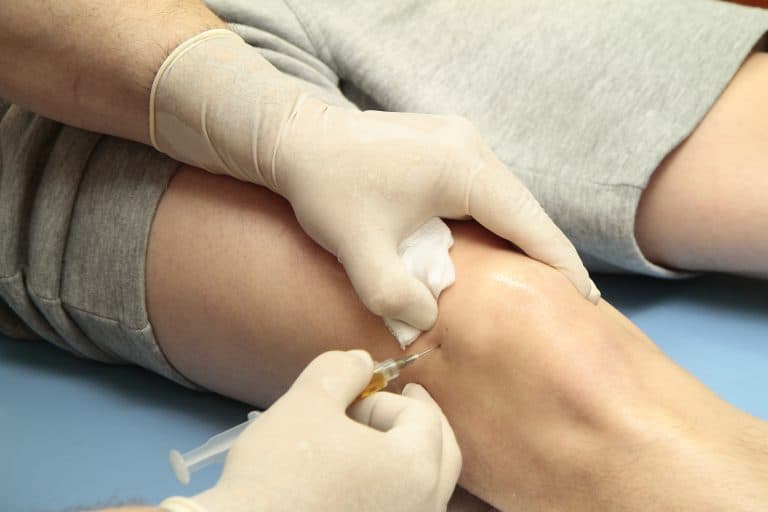



Cartilage injuries, especially in the knee, can cause significant pain and restrict movement. These problems often affect younger adults and people with active lifestyles, limiting their daily activities and quality of life. Thankfully, new treatments like ChondroFiller are offering fresh hope by providing innovative ways to repair damaged cartilage. This article explores who is best suited for ChondroFiller, helping patients and healthcare professionals make informed choices.
Understanding ChondroFiller: A Modern Approach to Cartilage Repair
ChondroFiller is a cell-free collagen gel that acts as a scaffold to support cartilage repair. It is applied using minimally invasive methods, such as keyhole surgery, where it fills cartilage defects and encourages the body’s own cells to regenerate healthy tissue. This approach avoids the need for more complex treatments involving cell harvesting or major surgery.
Compared to traditional options, ChondroFiller offers a less invasive way to support cartilage healing, often resulting in a quicker initial recovery. While promising, it is important to understand that results can vary and complete cartilage restoration is not guaranteed. Early clinical studies have described ChondroFiller as “a safe and simple workable method” (Schneider, 2016), while further reviews confirm it “provides satisfactory results” with good safety (Breil-Wirth et al., 2016). More recent research also highlights its unique mechanical properties, noting that “ChondroFillerliquid shows the most pronounced viscous effects… with vital implications for material design in cartilage engineering” (Weizel et al., 2020). This means the product’s microstructure plays a key role in how it helps repair joints.
Identifying Suitable Candidates: Patient Profile Considerations
ChondroFiller is generally best suited for patients with small, well-defined cartilage defects, often seen in early stages of wear or injury. These problems typically involve localised damage rather than widespread joint degeneration. Patients usually report early knee pain while the rest of the joint remains in good condition.
Younger adults, athletes, and active individuals are often ideal candidates, thanks to their greater healing potential. However, every case must be carefully assessed by a specialist, who considers the patient’s overall health, lifestyle, and the specifics of their cartilage damage.
Patients with advanced arthritis, large or diffuse cartilage damage, or other serious health issues might not be suitable for ChondroFiller. The treatment is specifically developed “to treat defined small and medium sized cartilage defects of the knee joint” (Schneider, 2016), making careful patient selection essential.
Free non-medical discussion
Not sure what to do next?
Information only · No medical advice or diagnosis.
The Role of Multidisciplinary Expertise: Guidance from Leading Clinics and Specialists
Choosing the right treatment requires expert assessment from orthopaedic specialists experienced in cartilage repair. These professionals use clinical evaluations alongside imaging techniques like MRI scans to provide personalised advice and treatment plans.
One leading expert is Professor Paul Lee, a renowned cartilage specialist and Regional Surgical Ambassador. His work with the London Cartilage Clinic offers patients access to a professional, multidisciplinary team dedicated to cartilage care. While expert advice is invaluable, it’s important for patients to know that outcomes can vary and cannot be guaranteed.

What Patients Can Expect: Evaluation, Procedure, and Recovery
The process starts with a thorough consultation where your doctor will review your history, conduct a physical exam, and order imaging tests to understand your cartilage damage. This helps determine whether ChondroFiller is a suitable option.
The procedure itself is minimally invasive, often performed as day surgery using arthroscopic techniques. The surgeon injects the collagen gel into the damaged site to support new tissue growth. Clinical reports highlight that “all defects could be filled successfully” and the gel “shows a perfect integration to the adjacent cartilage right from the beginning” (Schneider, 2016). Additionally, a larger patient group review noted “no complications” and that around 80% of patients “reported good or very good results and would have the operation done again” (Breil-Wirth et al., 2016).
Recovery usually involves a protected period to offload the joint, followed by a tailored physiotherapy programme. Regular follow-up is important to monitor healing and guide rehabilitation, helping patients regain strength and mobility while setting realistic expectations.
Conclusion
ChondroFiller offers a promising option for people with small, localised cartilage defects, especially younger and more active patients. Careful clinical assessment is crucial to ensure the treatment suits the individual’s condition and needs. If you have knee pain or cartilage damage, consulting an experienced specialist like Professor Paul Lee at the London Cartilage Clinic can provide expert guidance and care. Remember, for personalised advice, always speak to a qualified healthcare professional.
References
- Schneider, U. (2016). Controlled, randomized multicenter study to compare compatibility and safety of ChondroFiller liquid (cell free 2-component collagen gel) with microfracturing of patients with focal cartilage defects of the knee joint. Vision Science and Neuroscience Practice, VNP05-2016-1-OA-1. https://doi.org/10.5348/VNP05-2016-1-OA-1
- Breil-Wirth, A., von Engelhardt, L., Lobner, S., & Jerosch, J. (2016). Retrospective study of cell-free collagen matrix for cartilage repair. Orthopädie und Unfallchirurgie up2date, 11(05), 515-520. https://doi.org/10.3238/oup.2016.0515-0520
- Weizel, A., Distler, T., Schneidereit, D., & Friedrich, O. (2020). Complex mechanical behavior of human articular cartilage and hydrogels for cartilage repair. Acta Biomaterialia, 117, 167-180. https://doi.org/10.1016/j.actbio.2020.10.025
Frequently Asked Questions
- ChondroFiller is a cell-free collagen gel applied through minimally invasive keyhole surgery. It acts as a scaffold for natural cartilage repair, avoiding major surgery and promoting tissue regeneration, making it an innovative option for suitable patients at London Cartilage Clinic.
- Younger adults, athletes, and active people with small, localised defects—not advanced arthritis—are best suited. The London Cartilage Clinic, led by Professor Paul Lee, provides careful patient assessment to determine suitability and optimise chances of success.
- Professor Paul Lee is a respected cartilage expert, Royal College of Surgeons Ambassador, and advisor. His multidisciplinary London Cartilage Clinic team offers tailored, advanced care and in-depth experience with innovative treatments like ChondroFiller, ensuring expert assessment and management.
- Patients undergo detailed consultation, examination, and imaging. If suitable, a minimally invasive arthroscopic procedure delivers the ChondroFiller gel. The multidisciplinary team, overseen by Professor Lee, supports each stage from pre-assessment through surgery to personalised rehabilitation planning.
- Recovery usually includes joint protection followed by a tailored rehabilitation plan. Regular follow-up and physiotherapy help restore mobility and strength. The London Cartilage Clinic’s approach with Professor Lee sets realistic expectations, monitoring progress to ensure each patient’s best outcome.
Legal & Medical Disclaimer
This article is written by an independent contributor and reflects their own views and experience, not necessarily those of London Cartilage Clinic. It is provided for general information and education only and does not constitute medical advice, diagnosis, or treatment.
Always seek personalised advice from a qualified healthcare professional before making decisions about your health. London Cartilage Clinic accepts no responsibility for errors, omissions, third-party content, or any loss, damage, or injury arising from reliance on this material.
If you believe this article contains inaccurate or infringing content, please contact us at [email protected].
London Cartilage Clinic
Modern treatments, designed for lasting knee outcomes
Every treatment plan is selected to help you return to the quality of life you deserve. Our team combines up-to-date techniques with consultant-led decision making across cartilage repair, regeneration and replacement.
What your journey can look like
Step 01
Consultant-Led Assessment
Symptoms, imaging and goals reviewed in one structured appointment.
Step 02
Personalised Treatment Plan
A clear route chosen from repair, regeneration or replacement options.
Step 03
Precision Delivery
Modern techniques and specialist equipment matched to your diagnosis.
Step 04
Long-Term Knee Health
Follow-up guidance focused on durable function and quality of life.
Will the Arthrosamid work for me
PAAG-8+ Questionnaire
A bright, structured entry point for patients exploring Arthrosamid. The questionnaire helps frame suitability, expectations, and 24-month clinical benefit discussion before a fuller consultant-led review.
Designed for shared decision-making. It does not replace specialist consultation, examination, imaging review, or formal medical advice.