


How Soon Can You Resume Walking After ChondroFiller? Week-by-Week Recovery Guidance
Introduction
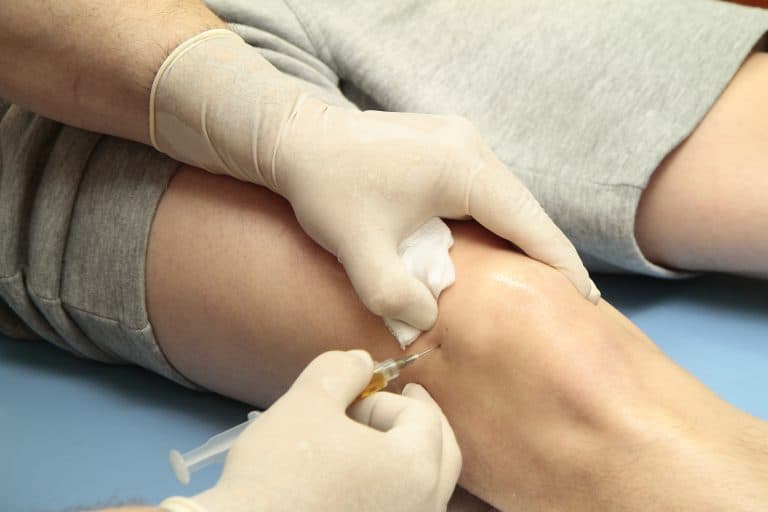
When undergoing ChondroFiller treatment—a modern technique for repairing damaged cartilage —one of the first questions on patients’ minds is: how soon can I safely start walking again? Understandably, people want to return to their daily activities without risking harm or delaying healing. This article offers a clear, step-by-step recovery plan, breaking down what you can expect week by week, based on the latest research and clinical expertise.
Professor Paul Lee and the London Cartilage Clinic are highly regarded in musculoskeletal care. While they did not develop the ChondroFiller procedure, their extensive experience means they are well-placed to guide patients through a smooth and successful recovery.
Understanding the Non-Weight-Bearing Period
The very first phase of your recovery is called the “non-weight-bearing period.” Simply put, this means you must avoid putting any weight on the treated joint —usually the knee or ankle. During this time, you will likely need crutches or other supports to help you move around without stressing the repair.
Why is this so important? The ChondroFiller treatment involves injecting a special collagen matrix—a kind of scaffold—that encourages your body’s own cartilage cells to grow back. As you rest the joint, this delicate matrix has time to settle and start repairing the cartilage without being disturbed. Research confirms that after surgery, joints are “temporarily immobilised and then partially loaded for six weeks” to protect this healing process. Following these instructions carefully can make all the difference to your recovery.
Gradual Loading: Taking It Step by Step
Once the initial rest period is over, the next stage is called “gradual loading.” This means slowly and carefully beginning to put weight on your joint again. It’s like easing into exercise after an injury: too much too soon could cause damage, but the right amount will help the new cartilage grow stronger.
At this point, your medical team will guide you on how and when to start standing and walking, often starting with partial weight-bearing (only a little weight at first). Professor Paul Lee at the London Cartilage Clinic tailors this process to each patient, based on their progress and needs. Through gentle physiotherapy and walking exercises, you gradually help your joint adapt without overloading it.
Free non-medical discussion
Not sure what to do next?
Information only · No medical advice or diagnosis.
Week-by-Week Recovery: What to Expect
- Weeks 1–4: Strictly avoid putting weight on the joint. Use crutches or supports to keep mobile while protecting the repair. Focus on managing pain and swelling.
- Weeks 5–6: Begin partial weight-bearing under supervision. You’ll start putting some weight on the joint, but still using aids for support.
- Weeks 7–8: Increase weight on the joint as tolerated. Crutch use decreases as walking becomes easier.
- Weeks 9–12: Transition toward full weight-bearing and walking unaided. Work on restoring a normal walking pattern and balance.
- After 12 weeks: Most patients return to everyday activities. Low-impact exercises help strengthen the joint and surrounding muscles.
Clinical studies provide reassurance through their results: around “80% of patients reported good or very good outcomes and would have the operation again.” What’s more, “no complications or worsening symptoms were noted.” These findings underscore the safety and effectiveness of the procedure when recovery instructions are followed carefully.

Returning to Normal Walking and Everyday Life
Regaining your normal walking ability is an exciting milestone but requires patience. Although it might be tempting to ditch the crutches early or rush physical activity, doing so risks damaging the delicate repair and delaying healing.
Rest assured, ChondroFiller treatment is well-regarded as safe and successful. Research notes it “provides satisfactory results” and helps reduce pain and improve joint strength over time. The supportive care from Professor Paul Lee and his team at the London Cartilage Clinic ensures you receive guidance throughout this process, helping you gradually rebuild strength and confidence at a pace that suits your body.
Conclusion and Advice
In summary, the key to a successful recovery after ChondroFiller is to respect the non-weight-bearing period, gradually introduce weight-bearing activities, and understand the typical week-by-week milestones on your journey back to walking normally. Everyone’s recovery is different, so it’s important to seek personalised advice from your healthcare provider to ensure the best outcome.
For individual medical advice, please consult a qualified healthcare professional.
References
Breil-Wirth, A., von Engelhardt, L., Lobner, S., & Jerosch, J. (2016). Retrospective study of cell-free collagen matrix for cartilage repair.
Frequently Asked Questions
- Professor Lee tailors each recovery plan, drawing on extensive musculoskeletal experience. The London Cartilage Clinic offers personalised care, ensuring every patient receives expert guidance for a safe and smooth recovery, helping optimise chances of a positive outcome with the latest techniques.
- The week-by-week approach ensures patients follow strict non-weight-bearing phases initially, moving to gradual loading under supervision. This careful progression allows repaired cartilage to strengthen, reducing risk and maximising recovery, all managed under the expertise of London Cartilage Clinic’s team.
- Most patients transition to walking unaided between weeks nine and twelve. London Cartilage Clinic’s team, led by Professor Lee, supports patients through each stage, ensuring they progress safely at their own pace with individually tailored advice and rehabilitation exercises.
- Clinical studies indicate around 80% of patients report good or very good outcomes. Most would choose the operation again, with no complications commonly reported. These results highlight ChondroFiller’s safety and effectiveness, particularly when overseen by experienced specialists like Professor Lee.
- London Cartilage Clinic provides comprehensive, supportive aftercare throughout the recovery process. Professor Lee and his team guide patients step-by-step, offering expert physiotherapy support, exercise planning, and responsive advice to help rebuild joint strength and confidence at an appropriate pace.
Legal & Medical Disclaimer
This article is written by an independent contributor and reflects their own views and experience, not necessarily those of London Cartilage Clinic. It is provided for general information and education only and does not constitute medical advice, diagnosis, or treatment.
Always seek personalised advice from a qualified healthcare professional before making decisions about your health. London Cartilage Clinic accepts no responsibility for errors, omissions, third-party content, or any loss, damage, or injury arising from reliance on this material.
If you believe this article contains inaccurate or infringing content, please contact us at [email protected].
London Cartilage Clinic
Modern treatments, designed for lasting knee outcomes
Every treatment plan is selected to help you return to the quality of life you deserve. Our team combines up-to-date techniques with consultant-led decision making across cartilage repair, regeneration and replacement.
What your journey can look like
Step 01
Consultant-Led Assessment
Symptoms, imaging and goals reviewed in one structured appointment.
Step 02
Personalised Treatment Plan
A clear route chosen from repair, regeneration or replacement options.
Step 03
Precision Delivery
Modern techniques and specialist equipment matched to your diagnosis.
Step 04
Long-Term Knee Health
Follow-up guidance focused on durable function and quality of life.
Will the Arthrosamid work for me
PAAG-8+ Questionnaire
A bright, structured entry point for patients exploring Arthrosamid. The questionnaire helps frame suitability, expectations, and 24-month clinical benefit discussion before a fuller consultant-led review.
Designed for shared decision-making. It does not replace specialist consultation, examination, imaging review, or formal medical advice.