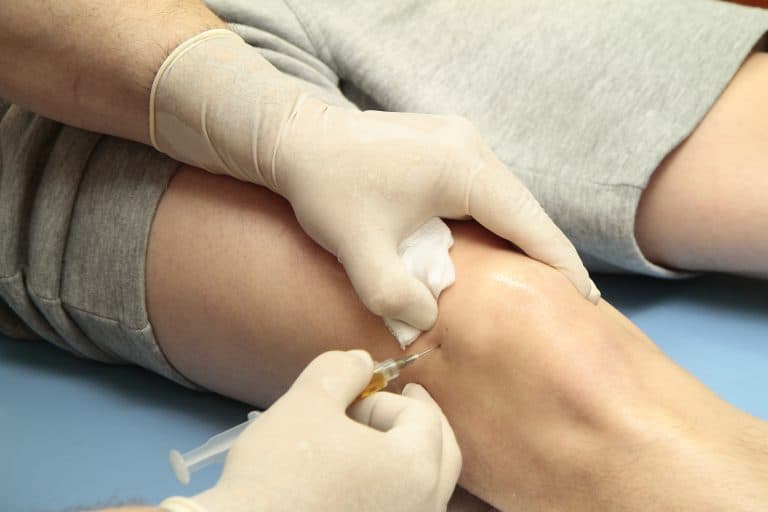



Most people recognize sciatica as a condition that causes pain radiating from the lower back down the leg, along the sciatic nerve's path. However, sciatica’s symptoms aren’t limited to the lower back and thigh—they can sometimes show up where you least expect, like around the knee . This often leads to confusion, since knee pain is usually blamed on joint or ligament problems rather than nerve issues. Understanding that sciatica can cause knee pain is crucial for getting the right diagnosis and avoiding unnecessary treatments. With the right approach—including specific exercises recommended by the NHS—many people can find quick relief.
How Sciatica Can Cause Knee Pain: Insights from Research
Recent research has highlighted that sciatica symptoms are more diverse than we once thought. Sciatica usually develops when the nerve roots in the lower back—particularly the L4, L5, or S1 nerves—become compressed or irritated. These nerves supply sensation and movement to different parts of the leg. While pain in the thigh or calf is common, involvement of certain nerve roots (like L3 or L4) can actually cause discomfort around the knee.
Interestingly, studies have shown that patients with herniated discs or spinal stenosis sometimes feel knee pain , even when their knee joint itself is healthy. This means healthcare professionals must keep nerve-related problems in mind when investigating unexplained knee pain.
Even rare historical cases describe sciatica-like symptoms as part of other conditions, such as appendicitis. While these cases are unusual, they remind us that nerve pain can show up in unexpected ways.
Problems outside the spine—like issues with the sacroiliac joint (where the spine connects to the pelvis)—can also mimic or worsen sciatica’s symptoms. The key takeaway? When knee pain doesn’t have an obvious cause, it’s worth considering nerves as the culprit.
Diagnosing Sciatica-Related Knee Pain: What to Look For
Getting the correct diagnosis is vital for effective treatment. It isn’t always easy to tell whether knee pain is actually coming from the knee itself or being referred from irritation in the lower back. Doctors start with a thorough history and physical exam, checking muscle strength, reflexes, and areas of sensation that specific nerves control. This helps pinpoint whether a nerve might be involved.
Imaging tests like MRI or CT scans can help confirm if there’s nerve compression or another spinal issue behind the knee pain. This ensures patients get targeted care, rather than treatments that won’t address the real problem.
Managing Sciatica-Related Knee Pain: The Power of Movement
Physiotherapy is often the first and best line of treatment for sciatica - related knee pain . Gentle, targeted exercises can help mobilise the irritated nerves, strengthen the supporting muscles, and improve flexibility. Not only do these exercises provide much-needed relief, but they also help prevent the pain from returning.
The NHS provides easy-to-follow exercise programmes—many available as handy PDFs—so patients can keep up their recovery at home. Consistency with these exercises is key to a strong recovery and lasting results.
Most people with sciatica -related pain do well with a combination of activity modification, anti-inflammatory medications, and a gradual return to normal activities. Being proactive and sticking to the recommended routine makes a big difference in how quickly symptoms improve.
Practical Advice for Patients and Healthcare Providers
Recognizing when knee pain might actually be linked to sciatica is crucial to avoid delays in proper treatment. If your knee hurts and you’re also experiencing lower back pain, it’s wise to ask your doctor about possible nerve involvement. Likewise, healthcare providers should consider nerve -related causes when scans or tests can’t explain ongoing knee pain .
Effective management means following exercise advice, remaining active within your limits, and making lifestyle changes like improving posture and maintaining a healthy weight. Avoiding movements that aggravate the pain helps, too. A thoughtful, step-by-step approach—starting with a careful assessment and moving on to imaging and physiotherapy —offers the best path to recovery.
Empowering patients with clear explanations about their condition and the value of a regular exercise routine can make all the difference during recovery.
In Summary
The link between sciatica and knee pain highlights just how complex nerve pain can be. Realizing that knee pain might actually be coming from the back helps avoid misdiagnosis and ensures people get the most effective treatment possible. Evidence-based exercises —like those recommended by the NHS—make a noticeable difference for many patients.
A team approach, involving doctors, physiotherapists, and patients, is often the key to success in managing sciatica - related knee pain . Ongoing research continues to improve our understanding of the connection, offering hope for even better outcomes in the future.
References
- Davis, A. A., & Carragee, E. J. (1992). Sciatica: Treating a Painful Symptom. The Physician and Sportsmedicine, 20(1), 126–137. https://doi.org/10.1080/00913847.1992.11710236
- Randolph, B. M. (1915). Sciatica a Symptom of Appendicitis. Southern Medical Journal, 8(7), 623. https://doi.org/10.1097/00007611-191507000-00026
Frequently Asked Questions
- Yes, sciatica can cause pain around the knee even when the knee joint itself is healthy. This pain results from nerve irritation or compression in the lower back, commonly affecting nerves like L3 or L4. At London Cartilage Clinic, Prof Lee specialises in recognising these subtle differences for accurate diagnosis.
- Prof Lee uses a comprehensive approach, starting with a meticulous medical history and physical examination. Advanced imaging tools, such as MRI or CT scans, are then employed to pinpoint whether nerve compression is the cause. This ensures you receive targeted, evidence-based care for your symptoms at London Cartilage Clinic.
- London Cartilage Clinic, led by Prof Lee, prioritises physiotherapy and tailored exercise programmes to relieve sciatica-related knee pain. The clinic’s treatments are guided by the latest NHS recommendations, focusing on movement and muscle strengthening. Prof Lee’s specialist knowledge ensures a personalised approach that improves patient outcomes gently and effectively.
- Prof Lee brings expert insight and years of experience in diagnosing complex knee and nerve pain. London Cartilage Clinic offers a patient-centred, science-led approach, ensuring that your treatment is both thorough and evidence-based. Their team collaborates closely with physiotherapists for comprehensive, coordinated care, aimed at long-term relief.
- Absolutely; London Cartilage Clinic and Prof Lee keep their practices up to date with evolving research into nerve pain and sciatica. This commitment allows the clinic to offer the latest, most effective exercise-based treatments. Patients benefit from informed, multidisciplinary care that prioritises lasting improvement and avoids unnecessary interventions.
Legal & Medical Disclaimer
This article is written by an independent contributor and reflects their own views and experience, not necessarily those of London Cartilage Clinic. It is provided for general information and education only and does not constitute medical advice, diagnosis, or treatment.
Always seek personalised advice from a qualified healthcare professional before making decisions about your health. London Cartilage Clinic accepts no responsibility for errors, omissions, third-party content, or any loss, damage, or injury arising from reliance on this material.
If you believe this article contains inaccurate or infringing content, please contact us at [email protected].
London Cartilage Clinic
Modern treatments, designed for lasting knee outcomes
Every treatment plan is selected to help you return to the quality of life you deserve. Our team combines up-to-date techniques with consultant-led decision making across cartilage repair, regeneration and replacement.
What your journey can look like
Step 01
Consultant-Led Assessment
Symptoms, imaging and goals reviewed in one structured appointment.
Step 02
Personalised Treatment Plan
A clear route chosen from repair, regeneration or replacement options.
Step 03
Precision Delivery
Modern techniques and specialist equipment matched to your diagnosis.
Step 04
Long-Term Knee Health
Follow-up guidance focused on durable function and quality of life.
Will the Arthrosamid work for me
PAAG-8+ Questionnaire
A bright, structured entry point for patients exploring Arthrosamid. The questionnaire helps frame suitability, expectations, and 24-month clinical benefit discussion before a fuller consultant-led review.
Designed for shared decision-making. It does not replace specialist consultation, examination, imaging review, or formal medical advice.