

Introduction
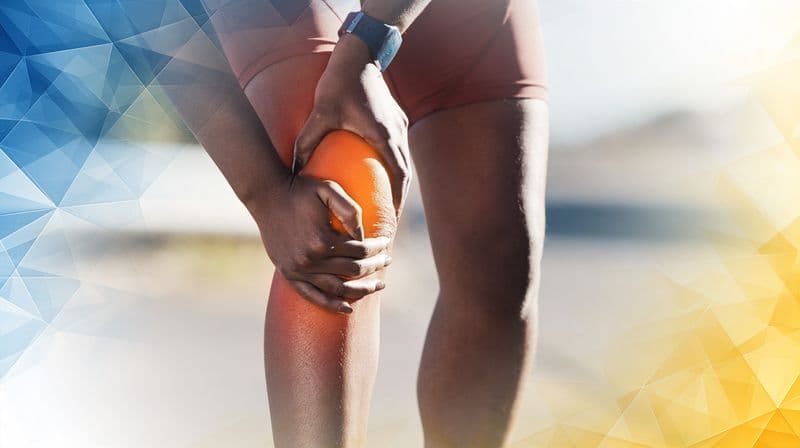
Runner’s knee is a common and frustrating problem for many active people, yet the critical role of knee cartilage often goes unnoticed. Cartilage is a smooth, rubbery tissue that cushions your knee and absorbs the impact of every stride. When this tissue becomes damaged or wears down, it can lead to pain and limit your ability to move—classic signs of runner’s knee . In this article, we’ll dive into how the health of your knee cartilage influences the development and recovery of runner’s knee , mixing scientific findings with practical tips so you can protect your knees and keep running strong.
What Exactly is Runner’s Knee?
Runner’s knee , or patellofemoral pain syndrome, is an overuse injury that causes pain around or behind the kneecap. The discomfort often flares up during running, squatting, or climbing stairs. Usually, it’s caused by repeated stress on the knee joint , poor alignment, or muscle imbalances around the kneecap. These factors increase pressure on the knee, leading to irritation and pain. Knowing the causes and symptoms helps underline why knee cartilage matters so much. Knee injuries are especially common among runners—one study found that nearly half of all running injuries involve the knee (Noguchi et al., 1997).
Why Knee Cartilage Matters
Think of knee cartilage as your body’s built-in shock absorber. It covers the ends of the bones in your knee, giving them a smooth surface to slide against each other without friction. This layer of cushioning spreads out the force from each step, protecting your bones from damage. However, repetitive actions like running can slowly wear down cartilage. As cartilage thins or becomes damaged, your knee loses its natural protection, making pain and injury much more likely. Simply put, healthy cartilage is the foundation of a pain-free knee .
Free non-medical discussion
Not sure what to do next?
Information only · No medical advice or diagnosis.
What the Research Tells Us
Research highlights a strong link between knee cartilage health and runner’s knee . A frequent issue is chondromalacia—when the cartilage under the kneecap softens or starts to deteriorate. This often causes the kneecap to move less smoothly, which can increase pressure on sensitive tissues and trigger pain. Maltracking, or misalignment of the kneecap , can cause further inflammation and make healing harder. Studies also show that the risk of knee problems goes up the more you train: greater training distances are closely linked to knee injuries (Noguchi et al., 1997). Knee problems among runners tend to recur more than other athletic injuries , so it's especially important to address them early.

How to Protect Your Knees and Recover
The good news: runner’s knee can often be managed—and even prevented—by caring for your cartilage and supporting muscles. Strengthening key areas, like your quadriceps and hip muscles, helps stabilize your kneecap and keep it moving correctly. Seeing a physiotherapist can make a big difference; they can spot movement issues and teach you exercises to reduce strain on your joints. Wearing proper running shoes with good support and cushioning will also help reduce the impact on your knees . Take things slowly when increasing your running intensity and give your body time to rest and recover. These strategies not only help reduce pain but also encourage your cartilage to heal, getting you back to your favorite activities with less risk of future injury.
Conclusion
Knee cartilage is essential for smooth, pain-free movement, especially for runners facing the challenges of runner’s knee . Damage to this crucial tissue is often at the core of the aches and mobility issues active people experience. By understanding the science and adopting habits like strength training , proper footwear, and expert guidance, you can guard your cartilage and enjoy running for many years to come. Taking care of your knees today will pay off every time you hit the trail or track—that’s a goal every runner can get behind.
References
Rubin, B. D., & Collins, H. R. (1980). Runner's Knee. The Physician and Sportsmedicine, 8(6), 47-58. https://doi.org/10.1080/00913847.1980.11948616
Noguchi, J., Ito, Y., & Murakami, H. (1997). Knee disorders in runners. Orthopedics & Traumatology, 46(3), 628-630.
Frequently Asked Questions
- Runner’s knee, or patellofemoral pain syndrome, is an overuse injury causing pain around the kneecap. Runners are particularly affected due to the repetitive impact and stress placed on the knee joint, which can lead to cartilage irritation or damage, highlighting the importance of protecting knee health.
- Knee cartilage acts as the body’s shock absorber, cushioning the bones and minimising friction during movement. Healthy cartilage spreads out the force created by running, helping to protect the knee from damage and pain. Without this critical cushioning, runners are at higher risk of discomfort and injury.
- Runners can protect their knee cartilage by strengthening hip and thigh muscles, using supportive running shoes, and gradually increasing training intensity. Consulting a physiotherapist for personalised exercises and being mindful of movement patterns also helps. These strategies reduce joint strain and support cartilage health for longer, pain-free activity.
- London Cartilage Clinic is a dedicated centre specialising in cartilage repair and joint health. Prof Lee is a highly experienced specialist renowned for treating complex knee conditions. Patients benefit from advanced techniques, personalised care, and the latest evidence-based approaches, ensuring confidence in expert management of runner’s knee and cartilage concerns.
- Knee problems, including runner’s knee, are among the most frequent injuries in runners, with many cases recurring. Early intervention at London Cartilage Clinic, under Prof Lee’s guidance, allows for prompt assessment, tailored treatment, and advice on prevention strategies, helping to minimise disruption to activity and future risk.
Legal & Medical Disclaimer
This article is written by an independent contributor and reflects their own views and experience, not necessarily those of London Cartilage Clinic. It is provided for general information and education only and does not constitute medical advice, diagnosis, or treatment.
Always seek personalised advice from a qualified healthcare professional before making decisions about your health. London Cartilage Clinic accepts no responsibility for errors, omissions, third-party content, or any loss, damage, or injury arising from reliance on this material.
If you believe this article contains inaccurate or infringing content, please contact us at [email protected].
London Cartilage Clinic
Modern treatments, designed for lasting knee outcomes
Every treatment plan is selected to help you return to the quality of life you deserve. Our team combines up-to-date techniques with consultant-led decision making across cartilage repair, regeneration and replacement.
What your journey can look like
Step 01
Consultant-Led Assessment
Symptoms, imaging and goals reviewed in one structured appointment.
Step 02
Personalised Treatment Plan
A clear route chosen from repair, regeneration or replacement options.
Step 03
Precision Delivery
Modern techniques and specialist equipment matched to your diagnosis.
Step 04
Long-Term Knee Health
Follow-up guidance focused on durable function and quality of life.
Will the Arthrosamid work for me
PAAG-8+ Questionnaire
A bright, structured entry point for patients exploring Arthrosamid. The questionnaire helps frame suitability, expectations, and 24-month clinical benefit discussion before a fuller consultant-led review.
Designed for shared decision-making. It does not replace specialist consultation, examination, imaging review, or formal medical advice.