


How Biomaterial Scaffolds Like ChondroFiller® Are Shaping the Future of Knee Cartilage Regeneration
Introduction
Knee cartilage injuries are a common and often painful problem that can seriously affect a person’s quality of life by causing stiffness, discomfort, and difficulty moving. Traditional treatments, such as microfracture surgery or joint replacement , help alleviate symptoms but often don’t fully restore the natural structure and function of cartilage . Moreover, these methods can involve long recovery times and don’t always stop the joint from gradually wearing down further. Because of this, there is an urgent need for more advanced and effective cartilage repair techniques. As research shows, “cartilage therapy for focal articular lesions of the knee has been implemented for more than a decade, and it is becoming increasingly available” (Rodríguez‐Merchán, 2012). Progress in new knee cartilage technologies is offering fresh hope for better healing and longer-lasting joint health. However, it’s important to note that while significant strides have been made, some patients face challenges accessing these treatments — what researchers call “red knee ” populations, often excluded due to complex health factors (Martín et al., 2019).
The Rise of Biomaterial Cartilage Repair
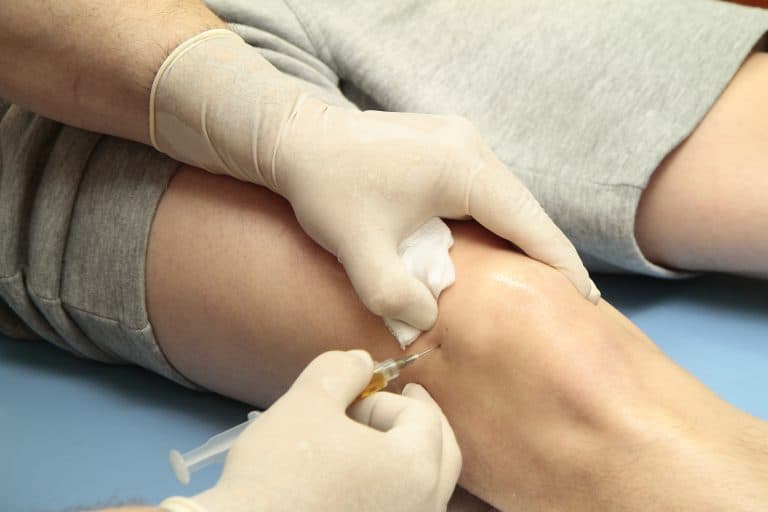
One exciting development in cartilage repair is the use of biomaterial scaffolds. In simple terms, these are specially designed materials that mimic the natural environment of cartilage, providing a structure that supports and encourages the body’s own cells to grow and heal damaged areas. ChondroFiller ® is a great example of this approach: it is a purified Type I collagen scaffold that can be injected directly into the knee through a minimally invasive procedure , offering a less complex alternative to traditional cell-based treatments. According to Rodríguez‐Merchán (2012), modern therapies now include “biological approaches (scaffolds, mesenchymal stem cells , platelet-rich plasma , growth factors, bone morphogenetic proteins...)” which represent an important step forward in cartilage repair . Moreover, recent studies highlight that these “emerging regenerative approaches… might foster cartilage repair in these challenging environments,” potentially benefiting patients who have previously been excluded from available treatments (Martín et al., 2019).
How ChondroFiller® Supports Natural Healing
ChondroFiller ® works as an acellular scaffold, which means it does not contain living cells itself but creates an ideal three-dimensional framework within the knee. This framework encourages the patient’s own cartilage cells to migrate, multiply, and regenerate tissue that closely resembles natural, resilient cartilage known as hyaline cartilage. Compared to more invasive or multi-step treatments, ChondroFiller ®’s simple injection method reduces both risk and recovery time . While treatment results can vary between individuals, clinical studies have shown promising safety and effectiveness. As Rodríguez‐Merchán (2012) points out, “some biological methods such as scaffolds... still need more research,” yet their role in advancing cartilage repair strategies is increasingly important. Encouragingly, there’s an ongoing push for wider use of these techniques, especially to benefit “the challenging ‘red knee ’” patient group with complex conditions who are often overlooked by current treatments (Martín et al., 2019).
Free non-medical discussion
Not sure what to do next?
Information only · No medical advice or diagnosis.
Patient Care at London Cartilage Clinic
The London Cartilage Clinic is a leading centre at the cutting edge of applying these innovative cartilage repair methods. Patients are carefully evaluated using the latest diagnostic technology to accurately identify cartilage damage and ensure treatments are tailored precisely to their needs. The clinic’s expertise is overseen by Professor Paul Lee , who has extensive experience in orthopaedics and rehabilitation, ensuring a patient-focused, professional environment that promotes healing. While biomaterial scaffolds like ChondroFiller ® are among the most exciting advances, traditional techniques such as high tibial osteotomy (HTO) also remain valuable. In fact, studies on HTO show remarkable results, with “improvement of the joint cartilage status confirmed on the medial femoral condyle in 93.3% and on the medial tibial condyle in 90%” of cases after surgery (Okahashi et al., 2010). This combination of proven and emerging treatments allows the clinic to offer comprehensive solutions suited to a wide range of patients.

Looking Ahead: The Future of Regenerative Orthopaedics
Regenerative orthopaedics is rapidly evolving, with a clear movement toward minimally invasive, joint-preserving treatments that follow a “repair, not replace” philosophy. Scaffold-based therapies like ChondroFiller ® perfectly illustrate this trend by encouraging the knee to heal itself in a natural and less disruptive way, potentially avoiding the need for major joint replacement surgery . As Rodríguez‐Merchán (2012) explains, “the results of comparative clinical studies using autologous chondrocyte implantation have shown some superiority over conventional microfracturing in medium or large defects and in long-term durability.” Yet challenges remain: Martín et al. (2019) warn that “the identified criteria exclude a majority of the affected population from treatment,” meaning many patients are still unable to access these advances. Thanks to ongoing research and clinical leadership—such as that provided by Professor Paul Lee and the London Cartilage Clinic —a future where effective joint preservation is the standard of care looks increasingly within reach.
Conclusion and Important Disclaimer
In summary, biomaterial scaffolds like ChondroFiller ® represent a major leap forward in knee cartilage repair, offering simpler, safer ways to encourage the body’s own healing and improve joint function. For those living with cartilage damage, these developments bring genuine hope for more effective and lasting recovery. However, every patient’s situation is unique, and treatment outcomes can vary. It is therefore crucial to seek personalised advice from a qualified healthcare professional. For individual medical advice, please consult a qualified healthcare professional.
References
Rodríguez‐Merchán, E. C. (2012). Regeneration of articular cartilage of the knee. Rheumatology International, 33(4), 837-845. https://doi.org/10.1007/s00296-012-2601-3
Martín, A. R., Patel, J., Zlotnick, H. M., Carey, J. L., & Mauck, R. L. (2019). Emerging therapies for cartilage regeneration in currently excluded ‘red knee’ populations. NPJ Regenerative Medicine, 4(1). https://doi.org/10.1038/s41536-019-0074-7
Okahashi, K., Fujisawa, Y., Sugimoto, K., & Tanaka, Y. (2010). Cartilage regeneration of knee OA after high tibial osteotomy. Techniques in Knee Surgery, 9(2), 95-100. https://doi.org/10.1097/btk.0b013e3181e0a0b0
Frequently Asked Questions
- The London Cartilage Clinic uses advanced biomaterial technologies like ChondroFiller® and thorough diagnostic techniques, under Prof Lee’s expert guidance, to tailor cartilage repair treatment for each patient, providing innovative alternatives to traditional, often more invasive, approaches.
- ChondroFiller® is a purified collagen scaffold injected in a minimally invasive procedure, supporting the body’s own cartilage cells to regenerate tissue naturally. The London Cartilage Clinic’s experience with this technology ensures patients access leading-edge, research-driven care.
- Professor Paul Lee’s expertise in orthopaedics and rehabilitation ensures that patients benefit from skilled assessment, up-to-date knowledge, and a caring approach, making the London Cartilage Clinic a trusted choice for advanced cartilage therapies.
- The London Cartilage Clinic, overseen by Prof Lee, evaluates each patient uniquely and applies innovative scaffold-based treatments, potentially offering hope to those previously excluded from traditional therapies due to complex conditions or previous treatment failures.
- The clinic combines proven surgical methods and regenerative advances, including scaffold therapies like ChondroFiller®, aligning with a modern, joint-preservation ethos promoted by Prof Lee, helping set new standards for cartilage repair and patient recovery.
Legal & Medical Disclaimer
This article is written by an independent contributor and reflects their own views and experience, not necessarily those of London Cartilage Clinic. It is provided for general information and education only and does not constitute medical advice, diagnosis, or treatment.
Always seek personalised advice from a qualified healthcare professional before making decisions about your health. London Cartilage Clinic accepts no responsibility for errors, omissions, third-party content, or any loss, damage, or injury arising from reliance on this material.
If you believe this article contains inaccurate or infringing content, please contact us at [email protected].
London Cartilage Clinic
Modern treatments, designed for lasting knee outcomes
Every treatment plan is selected to help you return to the quality of life you deserve. Our team combines up-to-date techniques with consultant-led decision making across cartilage repair, regeneration and replacement.
What your journey can look like
Step 01
Consultant-Led Assessment
Symptoms, imaging and goals reviewed in one structured appointment.
Step 02
Personalised Treatment Plan
A clear route chosen from repair, regeneration or replacement options.
Step 03
Precision Delivery
Modern techniques and specialist equipment matched to your diagnosis.
Step 04
Long-Term Knee Health
Follow-up guidance focused on durable function and quality of life.
Will the Arthrosamid work for me
PAAG-8+ Questionnaire
A bright, structured entry point for patients exploring Arthrosamid. The questionnaire helps frame suitability, expectations, and 24-month clinical benefit discussion before a fuller consultant-led review.
Designed for shared decision-making. It does not replace specialist consultation, examination, imaging review, or formal medical advice.