
If you’ve ever felt a sharp, nagging pain on the outside of your knee during a run or bike ride, you might have experienced Iliotibial Band Syndrome (ITBS). This common overuse injury is frustrating for athletes and active individuals alike, but new research is shining a light on the most effective ways to manage—and overcome—it. In this article, we’ll break down the latest evidence-based strategies for diagnosing and treating ITBS, giving you clear guidance whether you’re a patient looking for relief or a health professional supporting others on their recovery journey.
What Is ITBS and Why Does It Cause Knee Pain?
The iliotibial band is a tough, fibrous tissue running along the outside of your thigh, from your hip to just below your knee. When this band gets tight or inflamed, it can rub against the bone on the outer knee , leading to pain and swelling. This discomfort typically pops up in runners, cyclists, and anyone else who performs frequent, repetitive knee movements.
A number of factors can raise your risk of developing ITBS—overuse, poor running technique, weak hip muscles, or even differences in leg length. It’s important to know that ITBS symptoms can overlap with other knee problems, and misdiagnosis is common. That’s why understanding the roots of ITBS is the first step toward an effective recovery plan.
Recent research into pain mechanisms also shows how complex our bodies’ responses can be. The way we process pain is influenced not only by physical stress but also by how our nerves and tissues react at the microscopic level. This complexity can make ITBS stubborn, but it also opens up new possibilities for targeted, innovative treatments.
How Is ITBS Diagnosed?
Diagnosing ITBS goes beyond simply listening to a patient’s pain story. Health professionals use a mix of hands-on assessments and high-tech tools to get a clearer view. For example, ultrasound imaging allows clinicians to spot any inflammation or thickening in the iliotibial band —right at the point where symptoms occur.
Additionally, gait analysis—the careful study of how you walk or run—can reveal subtle movement patterns that place extra stress on the knee . Issues like hip muscle weakness or an unusual foot strike can contribute to ITBS , and identifying these issues helps tailor each treatment plan. Modern diagnosis considers both physical and psychological factors, ensuring that no two patients are treated exactly the same.
New and Effective Ways to Treat ITBS
Treatment for ITBS has evolved far beyond traditional rest and stretching. Today, effective care focuses on personalized rehabilitation that tackles the specific causes of each case. For many, this means strengthening the hip muscles that stabilize the pelvis and reduce excess tension on the iliotibial band . Targeted flexibility exercises can further help release tight tissues.
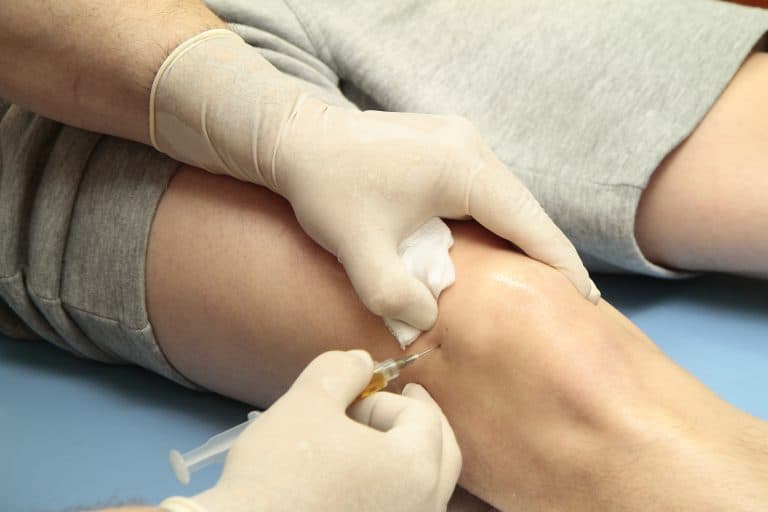
Some patients benefit from advanced techniques like eccentric loading exercises , which strengthen tendon and ligament health by lengthening muscles under tension. For stubborn or severe cases, newer treatments such as ultrasound-guided steroid injections or platelet-rich plasma (PRP) therapy are showing promise in speeding up recovery and reducing pain.
Just as in technology—where tailored infrastructure, like powerful computing systems, enables better and more scalable solutions—the best ITBS treatments are customized for each person’s unique biomechanical patterns and needs.
The Role of Inflammation and Biomechanics
We now know that ITBS isn’t just a mechanical problem caused by tissue rubbing; inflammation is a major player as well. Repeated friction triggers your body’s inflammatory response, resulting in swelling and pain. At the same time, certain movement habits—like weak hip stabilizers, excessive inward thigh rotation, or poor running technique—put extra strain on the iliotibial band , worsening symptoms.
Modern research emphasizes the importance of a comprehensive approach: addressing both mechanical stress and inflammation leads to more effective and longer-lasting relief. By pairing rehabilitation exercises with targeted anti-inflammatory strategies, clinicians can help patients recover and reduce the risk of future flare-ups.
Practical Tips for Managing ITBS
Whether you’re treating ITBS or managing it yourself, a personalized approach works best. Clinicians should perform thorough assessments to identify each person’s movement patterns and use imaging tools when needed. Individually designed rehab programs focused on building strength , flexibility, and control can make a big difference.
If you’re dealing with ITBS, you can support your recovery by practicing self-care. Simple techniques like foam rolling, gentle stretching, and activity modifications to avoid overloading the knee are all helpful. Staying consistent with your rehab exercises—and keeping an open line of communication with your healthcare provider—will speed your progress.
In Summary
Iliotibial Band Syndrome is a common cause of outer knee pain that can sideline even the most dedicated athletes. Fortunately, advances in research and clinical care now offer more targeted ways to diagnose and treat ITBS . By combining precise diagnostic tools, individualized exercise programs, and innovative treatments that address both biomechanics and inflammation, recovery is more achievable than ever.
As our understanding of ITBS continues to evolve, so do the options for care—making it possible to return to pain-free activity sooner. If you’re struggling with persistent knee pain , don’t wait: consulting a knowledgeable healthcare provider is the first step toward lasting relief.
References
Xia, W. (2025). Investigating the hemodynamic response to iTBS of the left DLPFC: A concurrent iTBS/fNIRS study. The International Journal of Neuropsychopharmacology, 28(Supplement_2), ii13-ii14. https://doi.org/10.1093/ijnp/pyaf052.024
Frequently Asked Questions
- Iliotibial Band Syndrome (ITBS) is an overuse injury causing pain on the outside of the knee. It frequently affects runners, cyclists, and other individuals involved in repetitive knee movements. The condition arises when the iliotibial band becomes tight or inflamed, often due to factors such as overuse, poor running technique, or weak hip muscles.
- At London Cartilage Clinic, diagnosis of ITBS combines hands-on assessments with modern tools like ultrasound imaging for precise evaluation. Gait analysis additionally uncovers movement patterns contributing to knee stress. The clinic’s personalised approach ensures all potential physical and psychological contributors are thoroughly considered, allowing for tailored and comprehensive treatment planning by experienced professionals.
- London Cartilage Clinic provides advanced treatments for ITBS, including ultrasound-guided steroid injections and platelet-rich plasma (PRP) therapy. These options complement bespoke rehabilitation programmes focusing on hip muscle strength and flexibility. Under the guidance of Prof Lee, patients benefit from the latest evidence-based therapies designed to address individual causes and promote effective recovery.
- Professor Lee brings expertise in diagnosing and managing complex knee conditions like ITBS, using state-of-the-art techniques. His detailed approach, involving sophisticated imaging and biomechanical analysis, supports personalised care. Patients at London Cartilage Clinic benefit from Prof Lee’s commitment to innovative, research-driven solutions that address the underlying causes, supporting lasting relief and return to activity.
- Patients can aid recovery by following individually tailored rehabilitation exercises and practising self-care techniques such as foam rolling and gentle stretching. Avoiding activities that overload the knee and maintaining regular communication with healthcare providers are crucial. London Cartilage Clinic offers guidance and support, helping patients adopt habits that promote healing and prevent recurrence.
Legal & Medical Disclaimer
This article is written by an independent contributor and reflects their own views and experience, not necessarily those of London Cartilage Clinic. It is provided for general information and education only and does not constitute medical advice, diagnosis, or treatment.
Always seek personalised advice from a qualified healthcare professional before making decisions about your health. London Cartilage Clinic accepts no responsibility for errors, omissions, third-party content, or any loss, damage, or injury arising from reliance on this material.
If you believe this article contains inaccurate or infringing content, please contact us at [email protected].
London Cartilage Clinic
Modern treatments, designed for lasting knee outcomes
Every treatment plan is selected to help you return to the quality of life you deserve. Our team combines up-to-date techniques with consultant-led decision making across cartilage repair, regeneration and replacement.
What your journey can look like
Step 01
Consultant-Led Assessment
Symptoms, imaging and goals reviewed in one structured appointment.
Step 02
Personalised Treatment Plan
A clear route chosen from repair, regeneration or replacement options.
Step 03
Precision Delivery
Modern techniques and specialist equipment matched to your diagnosis.
Step 04
Long-Term Knee Health
Follow-up guidance focused on durable function and quality of life.
Will the Arthrosamid work for me
PAAG-8+ Questionnaire
A bright, structured entry point for patients exploring Arthrosamid. The questionnaire helps frame suitability, expectations, and 24-month clinical benefit discussion before a fuller consultant-led review.
Designed for shared decision-making. It does not replace specialist consultation, examination, imaging review, or formal medical advice.