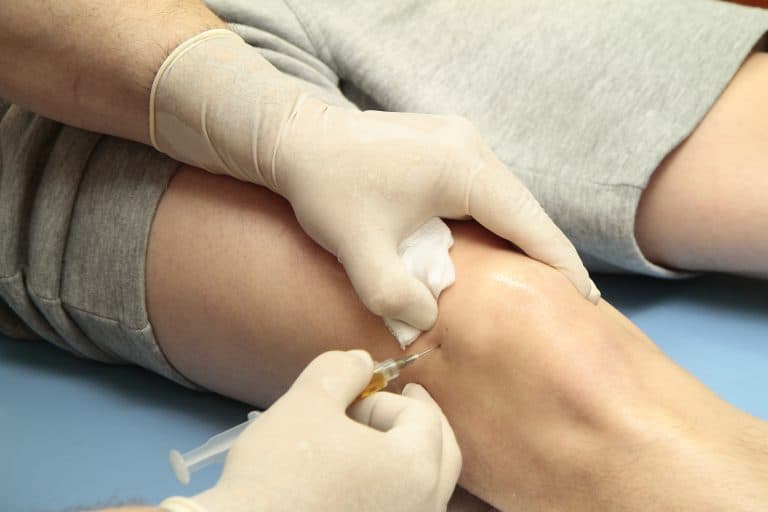


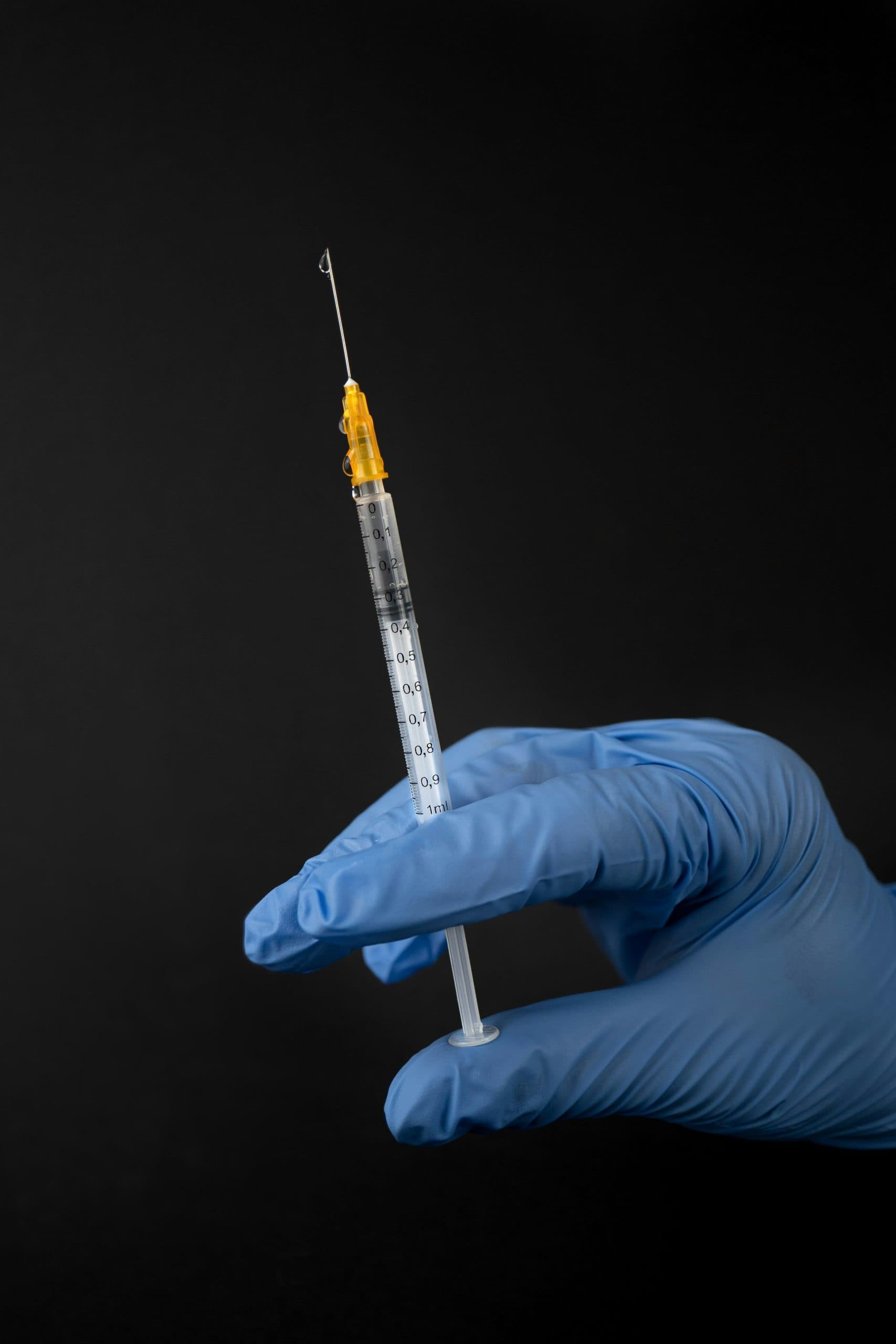
Knee cartilage, often referred to as the meniscus, is essential for smooth movements and weight distribution in the knee joint. It is a smooth, rubbery tissue that covers the ends of the bones in the knee joint. It helps reduce friction and acts as a shock absorber, allowing for smooth movement. However, injuries or degenerative conditions can lead to knee cartilage damage resulting in pain, swelling, and limited mobility, often leading to conditions such as osteoarthritis. While surgery is a common treatment, there are effective non-surgical ways to restore knee cartilage. Let's delve into these methods, addressing knee cartilage repair without surgery and how it can be achieved.
Understanding Non-Surgical Knee Cartilage Repair
Knee cartilage injuries often result from trauma, overuse, or age-related wear and tear. Symptoms include pain, swelling, and stiffness, sometimes leading to a condition where the knee hurts when I bend it and straighten it. Diagnosis typically involves physical examinations and imaging tests like MRI. Non-surgical knee cartilage repair focuses on alleviating pain and promoting the body’s natural healing processes.
Free non-medical discussion
Not sure what to do next?
Information only · No medical advice or diagnosis.
Why Choose Non-Surgical Treatments?
- Less Invasive: Non-surgical treatments are less invasive, reducing the risk of complications and allowing for quicker recovery.
- Cost-Effective: These treatments are often more affordable than surgical options and may be covered by insurance.
- Effective: Many patients experience significant pain relief and improved function with non-surgical treatments, delaying or even avoiding the need for surgery.
Side Effects and Complications
While non-surgical treatments for knee cartilage pain are generally safe, they are not without potential side effects. Short-term side effects include mild swelling, pain, or bruising at the treatment site, particularly with injections such as PRP. Long-term side effects are rare but can include persistent inflammation or infection if procedures are not done correctly. If left untreated, cartilage damage can lead to further complications such as chronic pain, decreased knee function, and arthritis. For instance, untreated cartilage damage often manifests as pain on the inner side of the knee, progressively limiting mobility and quality of life.

Effective planning for cartilage restoration
Non-surgical methods for restoring knee cartilage, such as physical therapy, PRP, and stem cell treatments, can effectively manage and repair cartilage damage. Timely intervention and adherence to a comprehensive rehabilitation plan are then key to successful recovery. For any knee pain or limitations in movement, seeking professional advice is crucial to determine the best course of action. Contact London Cartilage Clinic if you have any questions.
Frequently Asked Questions
- <ul> <li><strong>Benefits:</strong> Physical therapy can strengthen the muscles around the knee, providing better support and reducing the load on the damaged cartilage. Specific exercises can enhance joint flexibility and mobility, alleviating pain.</li> <li><strong>What to Expect:</strong> A physical therapist will design a personalized exercise program focusing on strengthening, flexibility, and low-impact aerobic exercises.</li> </ul>
- <ul> <li><strong>Benefits:</strong> <a href="https://londoncartilage.com/prp-injection/">PRP therapy</a> involves injecting a concentration of a patient's own platelets to accelerate the healing of injured tendons, ligaments, muscles, and joints. The high concentration of growth factors in PRP can enhance tissue repair and regeneration</li> <li><strong>What to Expect:</strong> The procedure involves drawing blood, processing it to concentrate the platelets, and injecting it into the affected area. It’s minimally invasive and usually requires a short recovery period.</li> <li style="list-style-type: none;"></li> </ul>
- <ul> <li><strong>Benefits:</strong> HA is a natural substance found in the joint fluid that helps lubricate and cushion the joint. Injecting HA can help reduce pain and improve joint function.</li> <li><strong>What to Expect:</strong> A <a href="https://londoncartilage.com/hyaluronic-acid-injections/">hyaluronic injection</a> is typically administered in a series of shots over several weeks. Patients often experience relief from pain and improved joint mobility.</li> <li style="list-style-type: none;"></li> </ul>
- <ul> <li><strong>Benefits:</strong> <a href="https://londoncartilage.com/arthrosamid/">Arthrosamid </a>is a hydrogel injected into the knee joint that cushions and lubricates the joint surface, helping reduce pain and improve mobility for patients with knee osteoarthritis who still experience discomfort after other treatments.</li> <li><strong>What to Expect:</strong> The procedure allows most patients to walk immediately after treatment. Some mild swelling or discomfort may occur for a few days, with benefits gradually building over several weeks.</li> <li><strong>Ideal For:</strong> People with knee osteoarthritis experiencing persistent pain or stiffness after other non-surgical therapies.</li> </ul>
- <ul> <li><strong>Benefits:</strong> <a href="https://liquidcartilage.com/">Liquid Cartilage</a> (<a href="https://londoncartilage.com/chondrofiller/">ChondroFiller</a>) provides a structural scaffold that supports cartilage repair and regeneration, making it suitable for moderate to severe cartilage damage and osteoarthritis.</li> <li><strong>What to Expect:</strong> The treatment involves minimal downtime, with noticeable improvement in 4–6 weeks. Results typically last 6–12 months, depending on the individual condition and activity level.</li> <li><strong>Ideal For:</strong> Patients with cartilage damage, osteoarthritis, or those seeking surgical augmentation to restore joint structure.</li> </ul>
- <ul> <li><strong>Benefits:</strong> Stem cells have the ability to develop into different types of cells, including cartilage cells. Stem cell therapy can potentially regenerate damaged cartilage and reduce inflammation.</li> <li><strong>What to Expect:</strong> Stem cells are harvested from the patient's bone marrow or fat tissue and injected into the knee joint. The procedure is minimally invasive, with a relatively short recovery time.</li> <li style="list-style-type: none;"></li> </ul>
- <ul> <li><strong>Benefits:</strong> Supplements such as glucosamine and chondroitin can support cartilage health and potentially reduce symptoms of cartilage degeneration.</li> <li><strong>What to Expect:</strong> These supplements are taken orally and are often used in conjunction with other treatments to maximise their effectiveness.</li> <li style="list-style-type: none;"></li> </ul>
- <ul> <li><strong>Benefits:</strong> Maintaining a healthy weight reduces stress on the knee joints, and a balanced diet rich in anti-inflammatory foods can support overall joint health.</li> <li><strong>What to Expect:</strong> A combination of diet and exercise tailored to your needs can significantly improve knee health and delay the progression of cartilage damage.</li> <li style="list-style-type: none;"></li> </ul>
- Immediate steps should include rest, applying ice to reduce swelling, compressing the knee with a bandage, and elevating the leg. Seek medical advice as soon as possible.
- Recovery time varies but typically ranges from a few weeks for minor injuries treated with physical therapy to several months for advanced treatments like PRP or stem cell therapy.
- Yes, maintaining a healthy weight, regular exercise to strengthen knee muscles, and avoiding high-impact activities can help prevent future damage.
- Signs include persistent pain, significant swelling, redness, fever, or reduced knee function. It is important to contact a healthcare provider if these symptoms occur.
- Physical therapy is highly effective in strengthening the muscles around the knee, improving joint stability, and reducing stress on the cartilage, thus aiding in repair.
- Surgery should be considered if non-surgical treatments fail to relieve symptoms, significantly restrict daily activities, or if there is severe damage that cannot be managed conservatively.
Legal & Medical Disclaimer
This article is written by an independent contributor and reflects their own views and experience, not necessarily those of London Cartilage Clinic. It is provided for general information and education only and does not constitute medical advice, diagnosis, or treatment.
Always seek personalised advice from a qualified healthcare professional before making decisions about your health. London Cartilage Clinic accepts no responsibility for errors, omissions, third-party content, or any loss, damage, or injury arising from reliance on this material.
If you believe this article contains inaccurate or infringing content, please contact us at [email protected].
London Cartilage Clinic
Modern treatments, designed for lasting knee outcomes
Every treatment plan is selected to help you return to the quality of life you deserve. Our team combines up-to-date techniques with consultant-led decision making across cartilage repair, regeneration and replacement.
What your journey can look like
Step 01
Consultant-Led Assessment
Symptoms, imaging and goals reviewed in one structured appointment.
Step 02
Personalised Treatment Plan
A clear route chosen from repair, regeneration or replacement options.
Step 03
Precision Delivery
Modern techniques and specialist equipment matched to your diagnosis.
Step 04
Long-Term Knee Health
Follow-up guidance focused on durable function and quality of life.
Will the Arthrosamid work for me
PAAG-8+ Questionnaire
A bright, structured entry point for patients exploring Arthrosamid. The questionnaire helps frame suitability, expectations, and 24-month clinical benefit discussion before a fuller consultant-led review.
Designed for shared decision-making. It does not replace specialist consultation, examination, imaging review, or formal medical advice.