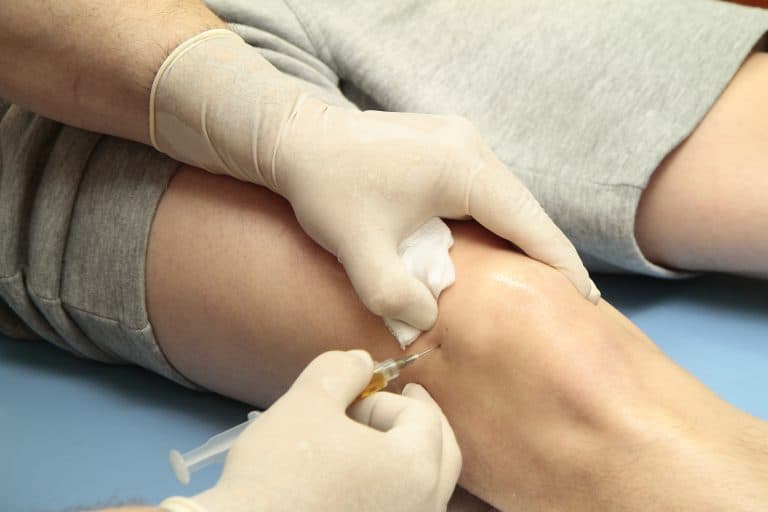



In recent years, the advancement in regenerative medicine, particularly MSC (Medicinal Signalling Cells) therapy, has presented new possibilities in treating various musculoskeletal conditions, including shoulder cartilage arthritis. This innovative approach has garnered attention for its potential to not only alleviate pain but also to promote healing at the cellular level. In this article, we explore the effectiveness of MSC therapy for shoulder cartilage arthritis, aiming to provide a comprehensive understanding for patients exploring their treatment options.
Understanding Shoulder Cartilage Arthritis
Shoulder cartilage arthritis is a condition characterised by the degeneration of cartilage in the shoulder joint. This cartilage serves as a cushion, allowing for smooth movement of the shoulder. When it wears down, it can lead to pain, stiffness, and reduced mobility. Common causes include wear and tear over time (osteoarthritis), injuries, and inflammatory conditions (rheumatoid arthritis).
The Role of MSC Therapy
MSC therapy, previously known as stem cell therapy, utilises Medicinal Signalling Cells to facilitate the repair and regeneration of damaged tissues. These cells can differentiate into various cell types, including those needed to repair damaged cartilage. In the context of shoulder cartilage arthritis, MSC therapy aims to reduce inflammation, alleviate pain, and potentially regenerate the damaged cartilage. Purpose of MSC Therapy for Shoulder Cartilage Arthritis The primary goal of MSC therapy in treating shoulder cartilage arthritis is to:
- Alleviate pain and inflammation.
- Enhance the healing of cartilage.
- Improve shoulder joint function and mobility.
- Delay or avoid the need for more invasive treatments, such as shoulder replacement surgery.
Alternative Treatment Options While MSC therapy offers a promising avenue, it is one of several treatment options available for shoulder cartilage arthritis. Other treatments include:
- Physical therapy to strengthen the muscles around the shoulder and improve range of motion.
- Pain relief medications and anti-inflammatory drugs.
- Corticosteroid injections to reduce inflammation and pain.
- Hyaluronic acid injections to lubricate the joint.
- In severe cases, surgical interventions such as arthroscopy or joint replacement may be considered.
Who Would Be a Candidate for MSC Therapy? Ideal candidates for MSC therapy include individuals with:
- Mild to moderate shoulder cartilage arthritis.
- Symptoms not adequately managed by conventional treatments.
- A preference for minimally invasive treatment options.
- An interest in exploring regenerative medicine as a part of their treatment plan.
Benefits and DrawbacksBenefits:
- Minimally invasive, with a lower risk of complications compared to surgery.
- Potential for reducing pain and improving joint function.
- May promote natural healing and regeneration of cartilage.
Drawbacks:
- The effectiveness of MSC therapy can vary between individuals.
- Long-term outcomes and the extent of cartilage regeneration are still being studied.
- Not universally covered by insurance, potentially leading to out-of-pocket expenses.
In conclusion, MSC therapy presents a promising option for individuals suffering from shoulder cartilage arthritis, offering a potential avenue for pain relief and tissue regeneration. As with any medical treatment, it is essential to consult with a healthcare provider to explore the best treatment pathway tailored to your individual needs and circumstances. At the London Cartilage Clinic, we are dedicated to providing cutting-edge treatments, including MSC therapy, to help our patients achieve optimal joint health and an improved quality of life. Book a Consultation
Frequently Asked Questions
- Improvements may be observed as early as a few weeks post-treatment, but optimal results typically emerge over months.
- The procedure involves minimal discomfort, with most patients reporting only mild pain or soreness at the injection site.
- The treatment plan varies, but many patients experience significant benefits from a single session, with the option of additional injections based on their response.
- While generally safe, potential side effects include temporary swelling, pain, or stiffness at the injection site.
- While MSC therapy can significantly alleviate symptoms and potentially repair cartilage, it is not considered a cure for arthritis.
- A thorough evaluation by a healthcare professional specializing in regenerative medicine is crucial to determine if MSC therapy aligns with your specific condition and treatment goals.
Legal & Medical Disclaimer
This article is written by an independent contributor and reflects their own views and experience, not necessarily those of London Cartilage Clinic. It is provided for general information and education only and does not constitute medical advice, diagnosis, or treatment.
Always seek personalised advice from a qualified healthcare professional before making decisions about your health. London Cartilage Clinic accepts no responsibility for errors, omissions, third-party content, or any loss, damage, or injury arising from reliance on this material.
If you believe this article contains inaccurate or infringing content, please contact us at [email protected].
London Cartilage Clinic
Modern treatments, designed for lasting knee outcomes
Every treatment plan is selected to help you return to the quality of life you deserve. Our team combines up-to-date techniques with consultant-led decision making across cartilage repair, regeneration and replacement.
What your journey can look like
Step 01
Consultant-Led Assessment
Symptoms, imaging and goals reviewed in one structured appointment.
Step 02
Personalised Treatment Plan
A clear route chosen from repair, regeneration or replacement options.
Step 03
Precision Delivery
Modern techniques and specialist equipment matched to your diagnosis.
Step 04
Long-Term Knee Health
Follow-up guidance focused on durable function and quality of life.
Will the Arthrosamid work for me
PAAG-8+ Questionnaire
A bright, structured entry point for patients exploring Arthrosamid. The questionnaire helps frame suitability, expectations, and 24-month clinical benefit discussion before a fuller consultant-led review.
Designed for shared decision-making. It does not replace specialist consultation, examination, imaging review, or formal medical advice.