


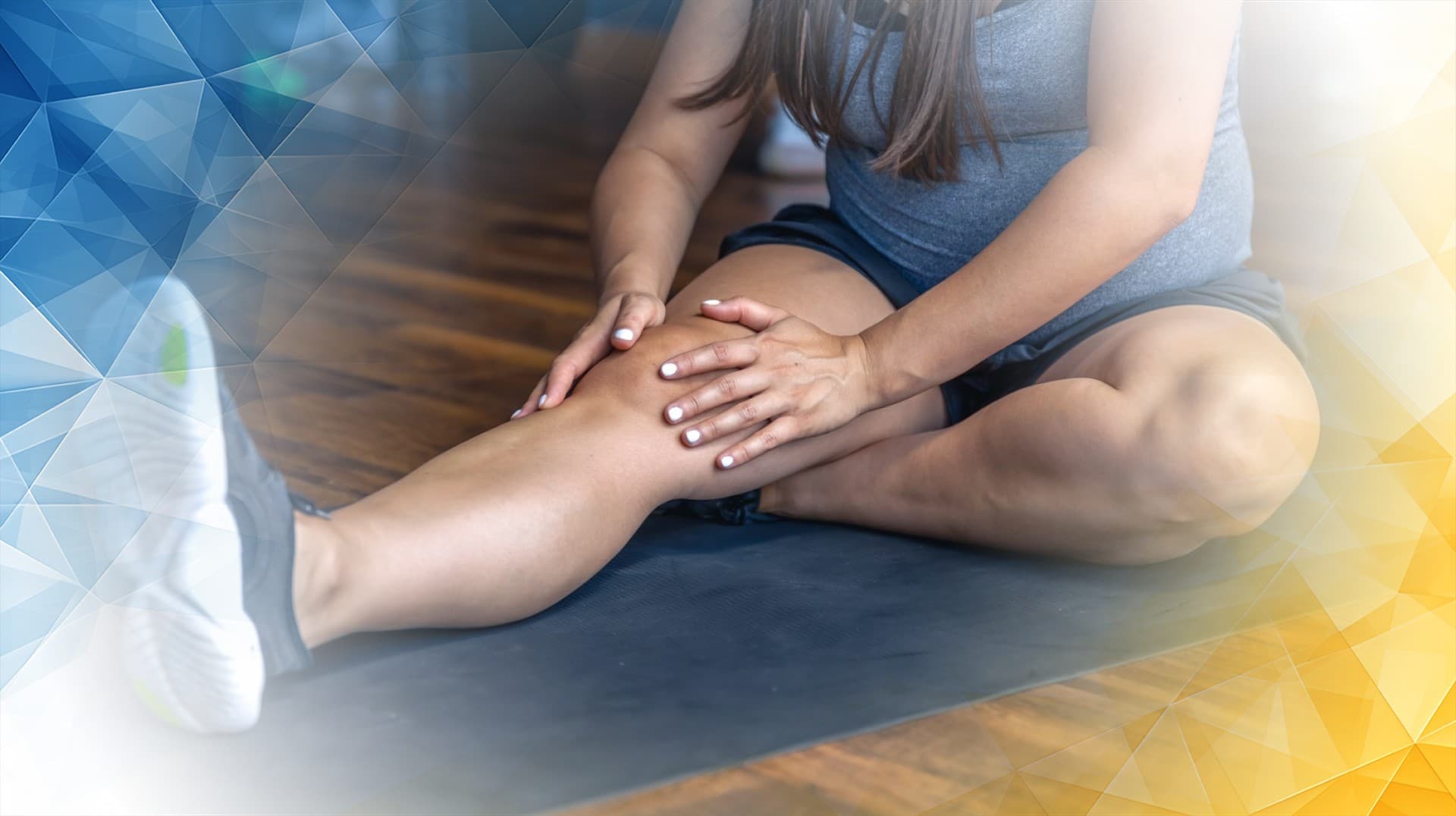
Decoding Posterior Knee Discomfort: Understanding the Neuromuscular Causes of Knee Pain When You Straighten Your Leg
Introduction
Knee pain is something many of us will experience at some point, but discomfort at the back of the knee—especially when straightening your leg—can be particularly confusing and frustrating. This kind of pain, whether sharp or dull, can make simple movements like walking, standing, or exercising much more challenging. While knee pain is common, pain behind the knee when extending your leg often points to specific muscle and nerve interactions that deserve closer attention.
In this article, we’ll break down why this specific discomfort happens, how the muscles, tendons, ligaments, and nerves work together around the knee, and what you can do to ease and treat the pain. We’ll also include practical advice and commonly searched topics such as “pain in back of knee when straightening leg treatment,” “how to get rid of knee pain fast,” and “the inside of my knee hurts when I straighten it” for those looking for fast, easy-to-follow solutions.
Understanding the Anatomy: What’s Happening Behind Your Knee?
If you’re feeling pain behind your knee when you straighten your leg, it helps to know a bit about the anatomy in this area. The back of the knee—also known as the posterior knee—contains several important structures, including the hamstring muscles (at the back of your thigh), the gastrocnemius (your main calf muscle), tendons that connect muscle to bone, stabilising ligaments , and nerves like the tibial nerve. These components work in concert to provide stability and allow smooth, controlled knee motion.
When you straighten your leg, the hamstrings stretch while the quadriceps (the muscles at the front of the thigh) contract. This naturally increases tension behind the knee. If any part of this system is tight, weak, or irritated—like a tendon or even a nerve—you might experience pain. Discomfort can arise from muscle imbalance, overuse, or mild injury, and is sometimes due to nerve irritation (“neuropathic pain”) in this region. That’s why considering both muscular and nerve-related causes is so important when searching for relief.
Free non-medical discussion
Not sure what to do next?
Information only · No medical advice or diagnosis.
Why This Type of Knee Pain Can Be Hard to Diagnose
Diagnosing pain at the back of the knee during leg extension is not always straightforward. There are many possible culprits: muscle imbalance, strained ligaments, irritated nerves, or inflammation of small fluid-filled sacs called bursae. Symptoms can also resemble common issues like a torn meniscus or arthritis, making diagnosis tricky.
Healthcare professionals will typically ask about your pain onset, what aggravates or eases it, and what exactly you’re feeling. A physical exam comes next. One common test is the straight leg raise, which helps determine if nerves are involved. Your doctor will also check your knee’s range of motion and look for tender spots.
It’s important to differentiate pain inside the knee during extension from more general knee pain . For instance, if the pain worsens during walking or when your calf muscles work harder, the source may be at the back of the knee . Careful assessment ensures that you get the right diagnosis and the most effective treatment.

How to Treat and Manage Posterior Knee Pain
Most cases of pain behind the knee when straightening your leg respond well to conservative treatments designed to restore muscle balance and reduce tension. Physiotherapy is often the first and best approach. A physical therapist can design exercises that strengthen your hamstrings, calves, and quadriceps—giving your knee joint better support during movement. Gentle stretching for the back of your thigh and calf muscles also helps relieve tightness and reduce strain on tendons.
Recently, neurodynamic (nerve-gliding) exercises have also gained popularity. These gentle movements encourage nerves to move more freely through their pathways, relief from nerve irritation if that’s part of the problem. Simple nerve gliding exercises can make a real difference if nerve involvement is contributing to your pain.
Biomechanical issues—such as the way you walk or move—can also overload the back of your knee. When needed, orthotics (special shoe inserts) or retraining movement patterns can reduce strain on the knee and lower your chances of pain returning.
If conservative treatments don’t provide relief, doctors may suggest additional options, like corticosteroid injections or, in rare cases, surgery. However, these are typically considered only after less invasive treatments have been tried. For those looking for a quick fix to knee pain , combining rest, targeted exercises, and professional guidance is usually the safest and most effective way to recover. Pain in the back of the knee and calf when walking or tendon discomfort behind the knee generally respond well to these approaches.
Conclusion
Pain behind the knee when straightening your leg involves a complex interplay between muscles, tendons, ligaments, and nerves. By understanding the anatomy, recognising the challenges in diagnosis , and following proven treatment strategies, you can successfully manage and reduce your discomfort.
If the inside or back of your knee hurts when you straighten it, or if you experience pain behind your knee and calf while walking, don’t ignore it. Early assessment by a healthcare professional—and a personalised care plan—can speed up your recovery and help prevent long-term problems.
Posterior knee pain can have multiple overlapping causes, so it’s important to work with a specialist who understands both neuromuscular and mechanical factors. With the right support, you can get back to enjoying pain-free movement .
If you experience ongoing discomfort, don’t hesitate to consult a physiotherapist or doctor who specialises in musculoskeletal health . With the right guidance and treatment, you can overcome posterior knee pain and get back to your daily activities without worry.
This article is based on current research on neuromuscular function and treatments and aims to provide an easy-to-understand, accurate overview of posterior knee pain that occurs during leg extension.
References
Wolfe, F., Hawley, D., Peloso, P. M., Wilson, K., & Anderson, J. (1996). Back pain in osteoarthritis of the knee. Arthritis & Rheumatism, 9(5), 376-383.
Vulfsons, S., Bar, N., & Eisenberg, E. (2017). Back pain with Leg Pain. Current Pain and Headache Reports, 21(7). https://doi.org/10.1007/s11916-017-0632-x
Beith, I., Kemp, A. H., Kenyon, J., Prout, M., & Chestnut, T. J. (2011). Identifying neuropathic back and leg pain: a cross-sectional study. Pain, 152(7), 1511-1516. https://doi.org/10.1016/j.pain.2011.02.033
Frequently Asked Questions
- Pain at the back of the knee when straightening your leg can be difficult to diagnose due to several possible causes, including muscle imbalance, nerve irritation, or inflammation. Expert assessment, such as that provided at London Cartilage Clinic by Prof Lee, ensures an accurate diagnosis and a tailored treatment plan.
- London Cartilage Clinic offers expert-led care for posterior knee pain, beginning with thorough assessment and tailored non-surgical treatments. Prof Lee’s extensive experience allows for precision in addressing both muscular and nerve-related contributors, helping patients regain movement and comfort through evidence-based physiotherapy, nerve-gliding exercises, and biomechanical corrections.
- Prof Lee at London Cartilage Clinic prioritises conservative treatments, including personalised physiotherapy, muscle balancing, stretching routines, and nerve-gliding exercises. These approaches have proven highly effective for most cases, supporting natural recovery and reducing reliance on invasive procedures. The clinic emphasises restoring function and comfort with the least disruption to daily life.
- Prof Lee brings a wealth of experience and specialist knowledge in knee pain management. London Cartilage Clinic employs comprehensive, research-backed strategies tailored to each patient. The clinic’s expertise in neuromuscular and mechanical factors ensures patients receive advanced, holistic care for effective relief and confident recovery.
- You should consult an experienced specialist, like those at London Cartilage Clinic, if pain behind your knee persists, interferes with daily activities, or is accompanied by new symptoms. Early assessment by Prof Lee’s team helps speed recovery, prevent chronic issues, and ensures the most appropriate, targeted treatment for your unique case.
Legal & Medical Disclaimer
This article is written by an independent contributor and reflects their own views and experience, not necessarily those of London Cartilage Clinic. It is provided for general information and education only and does not constitute medical advice, diagnosis, or treatment.
Always seek personalised advice from a qualified healthcare professional before making decisions about your health. London Cartilage Clinic accepts no responsibility for errors, omissions, third-party content, or any loss, damage, or injury arising from reliance on this material.
If you believe this article contains inaccurate or infringing content, please contact us at [email protected].
London Cartilage Clinic
Modern treatments, designed for lasting knee outcomes
Every treatment plan is selected to help you return to the quality of life you deserve. Our team combines up-to-date techniques with consultant-led decision making across cartilage repair, regeneration and replacement.
What your journey can look like
Step 01
Consultant-Led Assessment
Symptoms, imaging and goals reviewed in one structured appointment.
Step 02
Personalised Treatment Plan
A clear route chosen from repair, regeneration or replacement options.
Step 03
Precision Delivery
Modern techniques and specialist equipment matched to your diagnosis.
Step 04
Long-Term Knee Health
Follow-up guidance focused on durable function and quality of life.
Will the Arthrosamid work for me
PAAG-8+ Questionnaire
A bright, structured entry point for patients exploring Arthrosamid. The questionnaire helps frame suitability, expectations, and 24-month clinical benefit discussion before a fuller consultant-led review.
Designed for shared decision-making. It does not replace specialist consultation, examination, imaging review, or formal medical advice.