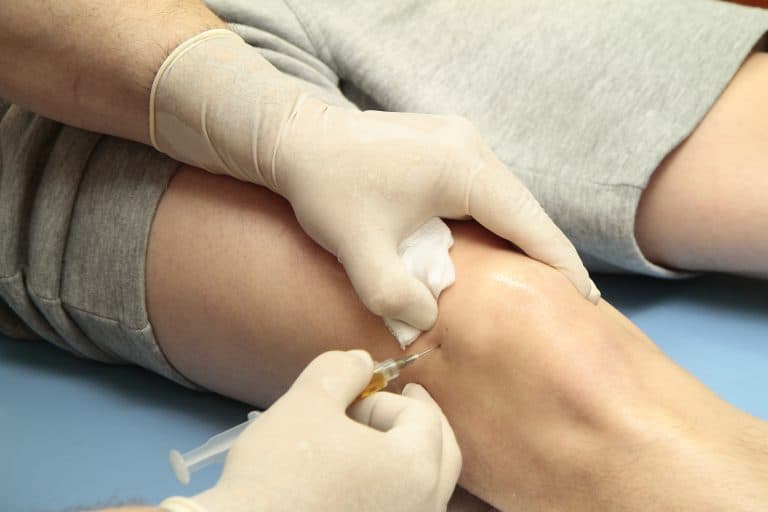



Comparing ChondroFiller with Traditional Cartilage Repair Techniques: Mechanisms, Outcomes, and Value
Cartilage damage caused by osteoarthritis , sports injuries, or trauma remains a significant challenge because cartilage has limited ability to heal itself. Without effective intervention, damage can cause chronic pain, reduced joint function, and more serious problems down the line. That’s why restoring healthy cartilage is a central goal in orthopedic medicine. Historically, surgeons have relied on two main techniques: microfracture surgery and autologous chondrocyte implantation (ACI). Microfracture involves making tiny holes in the bone to stimulate repair, while ACI harvests cartilage cells from the patient, grows them in a lab, and then implants them into the damaged area. More recently, ChondroFiller has emerged as a promising alternative, using a gel-like scaffold made from natural substances to encourage tissue repair —all in a single, less invasive procedure.
This article compares ChondroFiller to microfracture and ACI, exploring how each method works, their effectiveness, recovery processes, safety, and cost.
How These Treatments Work
ChondroFiller involves injecting a gel made of hyaluronic acid and collagen straight into the damaged cartilage site. This gel forms a supportive scaffold that encourages the body’s own stem cells to migrate there, mature into cartilage cells (chondrocytes), and rebuild the tissue. The composition of the scaffold closely mimics the natural environment of cartilage , making it easier for new, durable tissue to form.
Microfracture surgery takes a different route. The surgeon makes small holes in the bone beneath the cartilage to release stem cells from the bone marrow. While this does help fill in the damaged area, the resulting repair tissue is mostly fibrocartilage—a weaker substitute that doesn't cushion the joint as well as original cartilage .
Autologous chondrocyte implantation (ACI) is a more complex approach. It requires harvesting cartilage cells from the patient, expanding them in the lab over several weeks, and then surgically implanting them back into the problem area. This aims to restore tissue closely resembling native cartilage , but the process is labor-intensive and includes two surgeries.
Research shows that cell-free scaffolds like ChondroFiller provide a more favorable environment for cartilage regrowth compared to the tissue formed after microfracture. Unlike ACI, ChondroFiller does not require the extra step of harvesting and growing cells, reducing complexity and risk of complications. As recent reviews note, cell-free injectable therapies are becoming an important addition to the options for treating cartilage defects .
Clinical Results and Patient Outcomes
What does this mean for patients in practical terms?
Clinical studies on ChondroFiller have shown promising results. In a study of over 60 patients with knee or ankle cartilage injuries , pain and function scores improved significantly. The International Knee Documentation Committee (IKDC) scores, which measure knee health, rose from around 48 before treatment to over 67 after a year—and up to 80 after three years—reflecting lasting pain relief and improved mobility. Patients also reported better quality of life after treatment.
MRI scans after ChondroFiller procedures have shown good initial filling of cartilage defects , with excellent integration of the new tissue into surrounding cartilage and continued maturation over time. In studies of thumb joint osteoarthritis , patients experienced less pain and improved grip strength, with imaging evidence of reduced swelling and joint inflammation.
Microfracture often provides relief from pain and improved joint function in the short term, but results can fade within a few years as the repair tissue breaks down. ACI generally delivers stronger long-term results, with repair tissue that closely mimics natural cartilage , but involves more invasive procedures and a longer rehabilitation.
ChondroFiller seems to offer some of the benefits of both. For small to medium defects, it provides clinical outcomes comparable to microfracture, and in some cases, approaches the durability seen with ACI—all through a simpler, single-step approach. This means patients can expect less pain, better joint function, and easier recovery.
Recovery and Rehabilitation: What to Expect
Recovery is an important consideration for anyone undergoing cartilage repair . Here’s how it compares across techniques:
- Microfracture: Requires patients to avoid putting weight on the joint for six to eight weeks, with sports and intense physical activity restricted for four to six months due to the fragility of the new tissue.
- ACI: Involves an even longer recovery with extended activity restrictions, as the procedure includes two surgeries and the implanted cells need careful protection.
- ChondroFiller : Because it’s less invasive and only requires one operation, recovery tends to be simpler and shorter. Patients often begin physiotherapy earlier, and weight-bearing restrictions are usually lifted after about six weeks. The quicker rehab means many patients get back to their regular activities (including sports) sooner, boosting confidence and satisfaction with the process.
Free non-medical discussion
Not sure what to do next?
Information only · No medical advice or diagnosis.
Cost Considerations
Treatment costs play a big role in choosing a cartilage repair strategy.
- Microfracture is usually the least expensive upfront because the procedure is straightforward and doesn’t require extra equipment or lab work. However, its limited long-term success might lead to further treatment—and extra costs—later on.
- ACI comes with a high initial price tag due to the need for cell harvesting, lab expansion, a second surgery, and prolonged rehab. On the upside, its durability might reduce the likelihood of needing additional procedures in the future.
- ChondroFiller strikes a balance. The single- step procedure and outpatient setting mean fewer hospital resources, and the scaffold material, while more costly than microfracture, is offset by the potential for faster recovery and less need for further surgery. As a result, many view ChondroFiller as a cost-effective middle ground.

Safety and Biocompatibility
Any cartilage repair technique must be both safe and well-tolerated.
ChondroFiller is made of hyaluronic acid and collagen—substances the body naturally recognizes—making adverse reactions rare. Studies consistently report few complications, such as inflammation or rejection, reinforcing its safety profile.
Microfracture is generally safe but carries risks associated with drilling into bone, such as cyst formation or bony overgrowth. ACI’s risks include potential pain at the biopsy site, infection , and issues related to the cellular implantation process.
By eliminating the need to harvest tissue and using biocompatible materials, ChondroFiller reduces these risks and streamlines the path to healing.
Final Thoughts
ChondroFiller represents a significant step forward in cartilage repair . It offers a minimally invasive, one-step option that supports regeneration using a naturally-derived scaffold. With recovery that’s faster and less complicated than traditional options—yet with clinical results on par with more complex procedures— ChondroFiller could change the way doctors and patients approach cartilage injuries .
While more long-term studies are needed to confirm its benefits for larger patient populations, current research is promising. Experts are also exploring ways to combine ChondroFiller with other advanced therapies to further enhance outcomes.
As these innovations continue, patients with cartilage damage have more hope than ever for effective, less invasive, and accessible joint preservation .
References
Corain, M., Zanotti, F., Giardini, M., Gasperotti, L., Invernizzi, E., Biasi, V., & Lavagnolo, U. (2023). The Use of an Acellular Collagen Matrix ChondroFiller® Liquid for Trapeziometacarpal Osteoarthritis.
Schneider, U. (2016). Controlled, randomized multicenter study to compare compatibility and safety of ChondroFiller liquid (cell free 2-component collagen gel) with microfracturing of patients with focal cartilage defects of the knee joint.
Perez-Carro, L., Rosi Mendoza Alejo, P., Gutierrez Castanedo, G., Menendez Solana, G., Fernandez Divar, J. A., Galindo Rubin, P., & Alfonso Fernandez, A. (2021). Hip Chondral Defects: Arthroscopic Treatment With the Needle and Curette Technique and ChondroFiller. Arthroscopy Techniques, 10(6), e1448–e1453. https://doi.org/10.1016/j.eats.2021.03.011
Frequently Asked Questions
- London Cartilage Clinic stands out for its cutting-edge treatment options and personalised care. Patients benefit from state-of-the-art therapies like ChondroFiller, delivered by highly skilled specialists. Backed by Prof Lee’s extensive experience in cartilage restoration, the clinic offers advanced, minimally invasive solutions tailored to support the best possible recovery.
- Prof Lee is internationally recognised for his pioneering work in cartilage repair and regenerative orthopaedics. His comprehensive approach combines clinical excellence with the latest research, meaning patients receive treatment plans backed by deep expertise. Through his leadership, the clinic provides informed guidance and innovative therapies not widely available elsewhere.
- ChondroFiller uses a gel-like scaffold made from biocompatible materials to stimulate tissue regeneration. Unlike older techniques, it does not require complex cell harvesting or multiple operations. Clinical studies highlight significant improvements in pain and joint function, making it a strong option for patients seeking effective, less invasive cartilage repair at London Cartilage Clinic.
- Recovery after advanced cartilage treatments like ChondroFiller is generally shorter and simpler compared to traditional procedures. The minimally invasive single-step approach often enables earlier physiotherapy and a faster return to daily activities, supported by London Cartilage Clinic’s expert rehabilitation team and Prof Lee’s guidance throughout the process.
- ChondroFiller is composed of substances already found in the body, resulting in a strong safety profile. London Cartilage Clinic prioritises patient well-being by using biocompatible techniques and close post-procedure monitoring. Prof Lee’s extensive experience further ensures careful selection of appropriate treatments and attentive aftercare for every patient.
Legal & Medical Disclaimer
This article is written by an independent contributor and reflects their own views and experience, not necessarily those of London Cartilage Clinic. It is provided for general information and education only and does not constitute medical advice, diagnosis, or treatment.
Always seek personalised advice from a qualified healthcare professional before making decisions about your health. London Cartilage Clinic accepts no responsibility for errors, omissions, third-party content, or any loss, damage, or injury arising from reliance on this material.
If you believe this article contains inaccurate or infringing content, please contact us at [email protected].
London Cartilage Clinic
Modern treatments, designed for lasting knee outcomes
Every treatment plan is selected to help you return to the quality of life you deserve. Our team combines up-to-date techniques with consultant-led decision making across cartilage repair, regeneration and replacement.
What your journey can look like
Step 01
Consultant-Led Assessment
Symptoms, imaging and goals reviewed in one structured appointment.
Step 02
Personalised Treatment Plan
A clear route chosen from repair, regeneration or replacement options.
Step 03
Precision Delivery
Modern techniques and specialist equipment matched to your diagnosis.
Step 04
Long-Term Knee Health
Follow-up guidance focused on durable function and quality of life.
Will the Arthrosamid work for me
PAAG-8+ Questionnaire
A bright, structured entry point for patients exploring Arthrosamid. The questionnaire helps frame suitability, expectations, and 24-month clinical benefit discussion before a fuller consultant-led review.
Designed for shared decision-making. It does not replace specialist consultation, examination, imaging review, or formal medical advice.