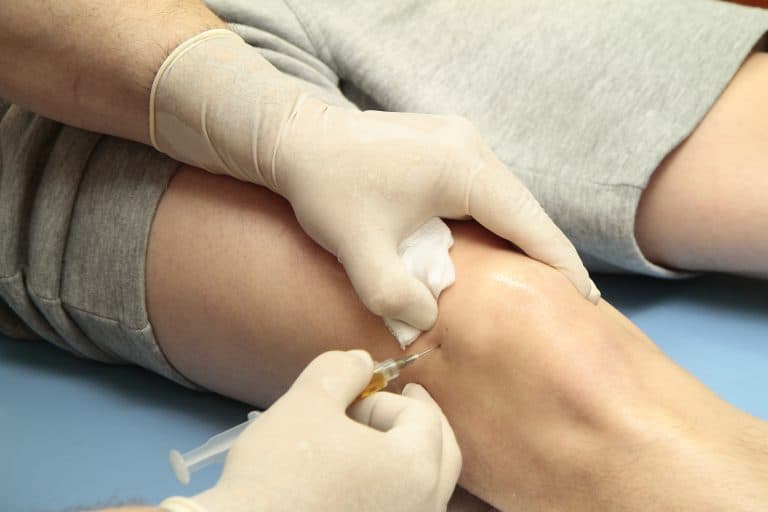



What Is ChondroFiller and How Does It Work?
ChondroFiller is a cutting-edge collagen-based material that supports cartilage repair. What makes it stand out is that it offers a one-step solution without the need to harvest cells from the patient. Unlike traditional treatments—which may involve multiple surgeries and complex cell cultivation—ChondroFiller works by filling cartilage defects and encouraging the body’s own cells to regenerate fresh cartilage.
The procedure itself is minimally invasive and typically takes between 30 to 60 minutes, performed via arthroscopy depending on the defect’s size and location. By providing a natural scaffold for cell growth, ChondroFiller promotes healing while avoiding the complications of more involved surgeries. Recent clinical research describes it as “a resorbable filler based on type I collagen... used to form a protective layer around the cartilage defect while stimulating the growth of chondrocytes and the consequent induction of cartilage regeneration” (Corain et al., 2023).
Moreover, ChondroFiller fits within a broader class of treatments where “cells, scaffold therapies, and injectable agents have emerged as an adjunctive modality to improve clinical outcomes” in managing cartilage injuries (Perez-Carro et al., 2021).
Is a Single Procedure Really Enough? Examining the Evidence
The big question is whether one session with ChondroFiller can truly be enough. Studies so far offer encouraging evidence, especially for patients with small to medium cartilage defects. Many report reduced pain and improved joint function after a single treatment.
For example, a recent study noted “an improvement in pain symptoms, associated with an increase in force in the pincer and grip movements” just 30 days after injection, with continued benefits at six months (Corain et al., 2023). In the hip, ChondroFiller has been used successfully as “a liquid cell-free collagen matrix for the treatment of symptomatic full-thickness chondral defects... in a 1-step arthroscopic procedure” (Perez-Carro et al., 2021).
Further support comes from a retrospective study involving knee and ankle joints, where “about 80% of the patients indicated good or very good results and would have the operation done again,” with no complications reported (Breil-Wirth et al., 2016). However, it’s important to bear in mind that results depend on many factors—including injury severity, patient health, and adherence to recovery advice. While many benefit from just one procedure, some may need additional treatment or therapy.
Free non-medical discussion
Not sure what to do next?
Information only · No medical advice or diagnosis.
Who Might Benefit Most from This Simple, One-Step Solution?
ChondroFiller is particularly well-suited to patients with small to moderate cartilage damage, often younger individuals or those in the early stages of joint wear and tear. The treatment appeals to people wanting a faster recovery and those who wish to avoid more invasive or multi-stage surgeries involving cell harvesting.
Patients experiencing mild to moderate osteoarthritis or cartilage defects, especially those eager to reduce downtime, could find ChondroFiller advantageous. As one study explains, “there was an improvement in pain symptoms… in patients subjected to infiltration,” highlighting the potential benefits for selected cases (Corain et al., 2023).
Clinicians have also praised the technique’s practicality: during hip arthroscopy, it is described as “a simple, inexpensive, and reproducible technique to facilitate the implantation of biologic and injectable materials in hip chondral defects” (Perez-Carro et al., 2021). For repairs in the knee and ankle, it is noted that “Chondrofiller Liquid is shown to be a safe procedure which was able to provide satisfactory results” (Breil-Wirth et al., 2016). Still, professional assessment is essential to ensure the treatment fits the patient’s specific needs.

The Role of Expert Guidance: London Cartilage Clinic and Professor Paul Lee
Expert care makes a real difference when it comes to cartilage injuries and treatment choices like ChondroFiller. Professor Paul Lee, a leading expert and Regional Surgical Ambassador for the Royal College of Surgeons of Edinburgh, brings significant clinical experience in orthopaedics and rehabilitation.
The London Cartilage Clinic is recognised for its professional standards and patient-centred approach. With access to advanced treatments and expert oversight, patients benefit from a supportive environment that enhances confidence and helps optimise recovery.
Conclusion: The Promise and Practicality of ChondroFiller
ChondroFiller represents an exciting one-step solution for cartilage repair, eliminating the need for cell harvesting and complex, multi-stage surgery. Current evidence supports its use in carefully selected patients who want an efficient treatment with a speedy recovery. Yet, individual outcomes depend on factors unique to each case.
Anyone considering ChondroFiller should consult a qualified healthcare professional to determine if this approach suits their condition. As always, personalised medical advice is essential.
References
- Corain, M., Zanotti, F., Giardini, M., Gasperotti, L., Invernizzi, E., Biasi, V., & Lavagnolo, U. (2023). The Use of an Acellular Collagen Matrix ChondroFiller® Liquid for Trapeziometacarpal Osteoarthritis. Cartilage. Advance online publication. https://doi.org/10.1177/19476035251354926
- Perez-Carro, L., Mendoza Alejo, P. R., Gutierrez Castanedo, G., Menendez Solana, G., Fernandez Divar, J. A., Galindo Rubin, P., & Alfonso Fernandez, A. (2021). Hip Chondral Defects: Arthroscopic Treatment With the Needle and Curette Technique and ChondroFiller. Arthroscopy Techniques, 10(7), e1587–e1591. https://doi.org/10.1016/j.eats.2021.03.011
- Breil-Wirth, A., von Engelhardt, L., Lobner, S., & Jerosch, J. (2016). Retrospective study of cell-free collagen matrix for cartilage repair. Orthopädische und Unfallchirurgische Praxis, 5, 515-520. https://doi.org/10.3238/oup.2016.0515-0520
Frequently Asked Questions
- ChondroFiller is a collagen-based material supporting cartilage repair without harvesting patients’ own cells. London Cartilage Clinic offers this advanced, one-step procedure performed by experienced experts such as Prof Paul Lee, making treatment less invasive and reducing recovery periods for suitable patients.
- Patients with small to moderate cartilage defects, including younger individuals and early-stage osteoarthritis sufferers, may benefit greatly. The London Cartilage Clinic provides expert assessment to determine suitability, ensuring patients receive care tailored to their specific joint health needs.
- Professor Paul Lee is a renowned cartilage expert, Regional Surgical Ambassador, and advisor to the Royal College of Surgeons of Edinburgh. His clinical leadership at London Cartilage Clinic provides advanced expertise, ensuring patients receive the most up-to-date, effective, and patient-centred cartilage care.
- ChondroFiller often helps patients after one procedure, especially those with less severe defects. However, individual outcomes vary, and some may require additional support. Patients at London Cartilage Clinic receive comprehensive assessments and ongoing guidance from Prof Lee to optimise their recovery journey.
- London Cartilage Clinic combines advanced regenerative therapies with Prof Lee's extensive experience. Its patient-focused approach, professional standards, and supportive team ensure those considering ChondroFiller benefit from expert advice, careful evaluation, and the latest evidence-based techniques throughout their treatment process.
Legal & Medical Disclaimer
This article is written by an independent contributor and reflects their own views and experience, not necessarily those of London Cartilage Clinic. It is provided for general information and education only and does not constitute medical advice, diagnosis, or treatment.
Always seek personalised advice from a qualified healthcare professional before making decisions about your health. London Cartilage Clinic accepts no responsibility for errors, omissions, third-party content, or any loss, damage, or injury arising from reliance on this material.
If you believe this article contains inaccurate or infringing content, please contact us at [email protected].
London Cartilage Clinic
Modern treatments, designed for lasting knee outcomes
Every treatment plan is selected to help you return to the quality of life you deserve. Our team combines up-to-date techniques with consultant-led decision making across cartilage repair, regeneration and replacement.
What your journey can look like
Step 01
Consultant-Led Assessment
Symptoms, imaging and goals reviewed in one structured appointment.
Step 02
Personalised Treatment Plan
A clear route chosen from repair, regeneration or replacement options.
Step 03
Precision Delivery
Modern techniques and specialist equipment matched to your diagnosis.
Step 04
Long-Term Knee Health
Follow-up guidance focused on durable function and quality of life.
Will the Arthrosamid work for me
PAAG-8+ Questionnaire
A bright, structured entry point for patients exploring Arthrosamid. The questionnaire helps frame suitability, expectations, and 24-month clinical benefit discussion before a fuller consultant-led review.
Designed for shared decision-making. It does not replace specialist consultation, examination, imaging review, or formal medical advice.