


Introduction: Why Cartilage Injuries Matter and What’s New
Cartilage injuries are notoriously difficult to treat because this tissue doesn’t heal well on its own. Traditional treatments often require complicated procedures and don’t always guarantee success, leaving many patients frustrated. Recently, however, new solutions like liquid gel implants—such as ChondroFiller—have started to reshape how we approach cartilage repair. These innovations offer fresh hope for better recovery and less invasive treatment.
Why Traditional Cartilage Treatments Can Fall Short
Classic methods like microfracture surgery or autologous chondrocyte implantation involve multiple surgical steps and sometimes need donor cells to help cartilage grow back. These treatments can be tough on patients, involving long recovery times and often considerable discomfort. This has led patients and surgeons to seek out gentler, more time-efficient options. ChondroFiller answers that call by providing a simpler, less invasive alternative.
What Makes ChondroFiller Different and Promising
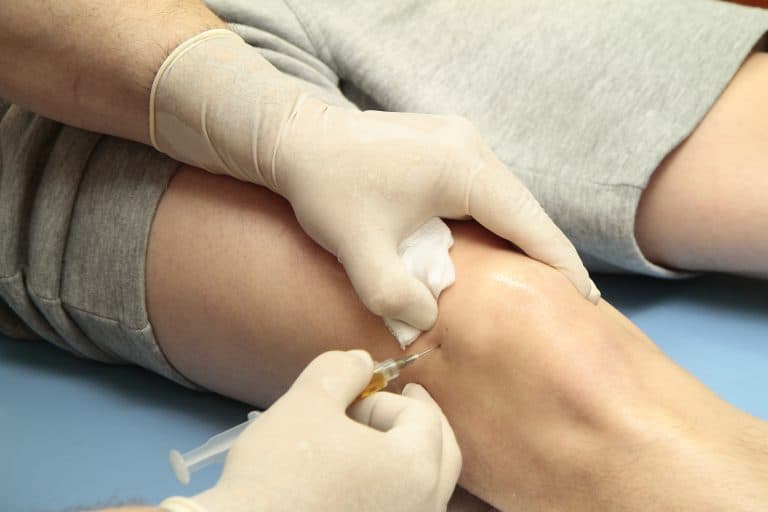
ChondroFiller is a liquid gel made of type I collagen that can be applied in a single, minimally invasive procedure without needing donor cells. The gel moulds perfectly to the damaged cartilage area and stays put without stitches or extra fixing. This means a quicker operation and potentially faster healing. Research highlights that “the acellular matrix ChondroFiller Liquid® is a resorbable filler based on type I collagen and a neutralizing solution, used to form a protective layer around the cartilage defect while stimulating the growth of chondrocytes and the consequent induction of cartilage regeneration.” Further clinical studies in knee treatments have shown that “the mean IKDC patient values... after 3rd and 6th months were significantly improved from the preoperative values” with benefits lasting up to a year.
Free non-medical discussion
Not sure what to do next?
Information only · No medical advice or diagnosis.
Using ChondroFiller in More Than Just the Knee
ChondroFiller’s benefits extend beyond knee injuries. It’s also showing encouraging results in other joints like the hand and hip. For example, patients with hand osteoarthritis experienced “an improvement in pain symptoms, associated with an increase in force in the pincer and grip movements.” Similarly, in hip cases, researchers found that “the liquid AMIC is a safe technique that shows good clinical and radiological outcomes in a 2-year follow-up in patients with femoroacetabular impingement and grade IV acetabular 2-4 cm2 chondral defects.” This flexibility means more patients with different joint problems could benefit from this innovative treatment.

Why Expert Care Still Matters: Professor Paul Lee and London Cartilage Clinic
Even with exciting new developments like ChondroFiller, expert medical advice remains crucial. Professor Paul Lee, a leading authority in cartilage repair, brings years of experience to the London Cartilage Clinic, where patients receive attentive, personalised care and rehabilitation tailored to their needs. Treatments like ChondroFiller offer great promise, but consulting a specialist ensures the best possible outcomes.
Conclusion: A Bright Future for Cartilage Healing
In summary, ChondroFiller represents a new, patient-friendly approach to healing cartilage, with a quick, minimally invasive method and proven effectiveness across several joints. MRI results show encouraging signs of cartilage repair, with many patients reporting significant pain relief and improved joint strength. Satisfaction rates are high; one study noted “patients' satisfaction was 86.6%.” Another study concluded that “the ChondroFiller liquid method is a safe and simple workable method... all defects could be filled successfully.” Nonetheless, cartilage treatment is not one-size-fits-all, so always seek personalised advice from a qualified healthcare professional. For individual medical guidance, please consult your healthcare provider.
References
- Corain, M., Zanotti, F., Giardini, M., Gasperotti, L., Invernizzi, E., Biasi, V., & Lavagnolo, U. (2023). The Use of an Acellular Collagen Matrix ChondroFiller® Liquid for Trapeziometacarpal Osteoarthritis. Cartilage. https://doi.org/10.1177/19476035251354926
- De Lucas Villarrubi, J. C., Méndez Alonso, M. Á., Sanz Pérez, M. I., Trell Lesmes, F., & Panadero Tapia, A. (2021). Acellular Matrix-Induced Chondrogenesis Technique Improves the Results of Chondral Lesions Associated With Femoroacetabular Impingement. Arthroscopy, 37(12), 3668-3677. https://doi.org/10.1016/j.arthro.2021.08.022
- Schneider, U. (2016). Controlled, randomized multicenter study to compare compatibility and safety of ChondroFiller liquid (cell free 2-component collagen gel) with microfracturing of patients with focal cartilage defects of the knee joint. Vascular & Nonvascular Interventional Radiology, 5(1). https://doi.org/10.5348/VNP05-2016-1-OA-1
Frequently Asked Questions
- The London Cartilage Clinic is dedicated to innovative cartilage repair, offering tailored, patient-focused care led by Prof Paul Lee, a recognised cartilage expert and surgical ambassador. The clinic stands out for using advanced techniques, like ChondroFiller, combined with comprehensive rehabilitation support.
- Professor Paul Lee is a leading cartilage specialist, serving as Cartilage Expert, Regional Surgical Ambassador, and advisor to the Royal College of Surgeons of Edinburgh. With his advanced expertise, he offers patients evidence-based, personalised treatment at the London Cartilage Clinic.
- ChondroFiller is a minimally invasive, one-step procedure using a liquid gel that moulds perfectly to cartilage defects. Unlike older methods, it avoids the need for donor cells or multiple operations, which can reduce discomfort and may enable quicker recovery for suitable patients.
- Yes, ChondroFiller’s minimally invasive treatment has also shown promising results for hand and hip joint injuries. Patients with osteoarthritis or specific hip conditions have reported reduced pain and improved strength, indicating its flexibility for different joint problems.
- Cartilage treatment decisions should be tailored to individual needs. Consulting Prof Lee at the London Cartilage Clinic ensures each patient receives experienced guidance and the most suitable treatment plan, maximising the chances of achieving the best possible outcome.
Legal & Medical Disclaimer
This article is written by an independent contributor and reflects their own views and experience, not necessarily those of London Cartilage Clinic. It is provided for general information and education only and does not constitute medical advice, diagnosis, or treatment.
Always seek personalised advice from a qualified healthcare professional before making decisions about your health. London Cartilage Clinic accepts no responsibility for errors, omissions, third-party content, or any loss, damage, or injury arising from reliance on this material.
If you believe this article contains inaccurate or infringing content, please contact us at [email protected].
London Cartilage Clinic
Modern treatments, designed for lasting knee outcomes
Every treatment plan is selected to help you return to the quality of life you deserve. Our team combines up-to-date techniques with consultant-led decision making across cartilage repair, regeneration and replacement.
What your journey can look like
Step 01
Consultant-Led Assessment
Symptoms, imaging and goals reviewed in one structured appointment.
Step 02
Personalised Treatment Plan
A clear route chosen from repair, regeneration or replacement options.
Step 03
Precision Delivery
Modern techniques and specialist equipment matched to your diagnosis.
Step 04
Long-Term Knee Health
Follow-up guidance focused on durable function and quality of life.
Will the Arthrosamid work for me
PAAG-8+ Questionnaire
A bright, structured entry point for patients exploring Arthrosamid. The questionnaire helps frame suitability, expectations, and 24-month clinical benefit discussion before a fuller consultant-led review.
Designed for shared decision-making. It does not replace specialist consultation, examination, imaging review, or formal medical advice.