

Microfracture knee surgery is a serious procedure that is typically only an option as a last resort for individuals suffering with knee pain. If you’re experiencing knee pain and have explored other treatments, you might be thinking that the only choice is to pursue microfracture surgery to give yourself the best chance of going back to your normal daily activities pain-free. However, this isn’t necessarily the case, there are many drawbacks to microfracture and other options available that will better serve your needs. That is why we have created this guide exploring alternatives to microfracture surgery to give you a greater insight into how your pain could be treated.
Platelet Rich Plasma (PRP) injections
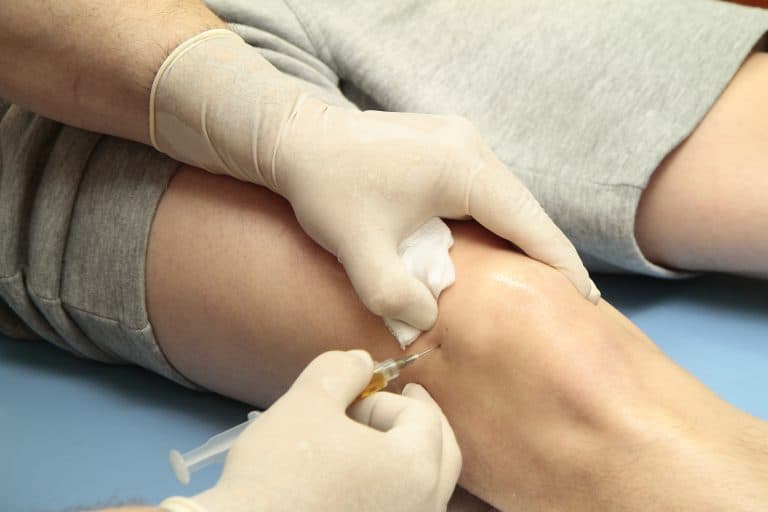
PRP treatments are relatively new but have proven to be an effective method of treating knee pain caused by damaged cartilage, muscles, joints, and ligaments. It works by drawing blood from the individual, processing the blood in a centrifuge to separate the PRP, then further processing to separate the protein liquid, and finally injecting the treatment into the knee joint. This is to encourage the body’s own healing properties to avoid any further damage to the cartilage and improve symptoms like pain and limited mobility.
Free non-medical discussion
Not sure what to do next?
Information only · No medical advice or diagnosis.
Cartilage regeneration
In cases where the bones have good alignment and the knee joint isn’t too affected by arthritis, there are newer, innovative treatments available that mean replacing the cartilage rather than directly going down the route of microfracture surgery. Cartilage regeneration involves taking healthy cells from the damaged joint, culturing them for between four and six weeks then injecting them into the joint to regenerate alongside the remaining cartilage in the knee. This form of treatment can be a beneficial alternative to microfracture surgery because cartilage has a restricted capacity for self-repair. Therefore, by using regenerative therapy, not only could it have a positive impact on symptoms of discomfort and reduced mobility in the joint, but also it could prevent the need for surgery and improve your quality of life.

Hyaluronic acid injections
Hyaluronic acid injections are a popular treatment option for knee osteoarthritis as they provide lubrication and reduce friction in the joint. They work by copying the natural hyaluronic acid that occurs in the knee and reliably cushioning the joint to reduce pain and discomfort. The benefits of hyaluronic acid injections are the difference in pain relief compared to other treatments, better joint mobility, and slowing down joint deterioration. Additionally, they are a minimally invasive type of treatment, which offers an alternative to surgery with less risks and the patient can often go home the same day to rest and recover.
What can be done at home to help knee pain?
As well as researching and potentially pursuing the surgery alternatives above, there are some things you can do at home to ease your knee pain, which will help to avoid the need for microfracture surgery.
Conclusion
To answer the overall question of this article, yes, knee pain can be resolved without microfracture surgery. There are several modern and exclusive treatment options available at London Cartilage Clinic that can provide a less and invasive and much more effective outcome for patients compared to microfracture surgery. Book a free chat online today to get started and please don’t hesitate to contact us if you have any questions.
Frequently Asked Questions
- <span class="TextRun SCXW65679420 BCX8" lang="EN-GB" xml:lang="EN-GB" data-contrast="auto"><span class="NormalTextRun SCXW65679420 BCX8">Maintaining </span><span class="NormalTextRun SCXW65679420 BCX8">a good level</span><span class="NormalTextRun SCXW65679420 BCX8"> of strength and mobility is important in reducing joint pain, especially in the quadriceps and hamstring muscles. </span><span class="NormalTextRun SCXW65679420 BCX8">It is recommended that those experiencing knee pain try </span><span class="NormalTextRun SCXW65679420 BCX8">to </span><span class="NormalTextRun SCXW65679420 BCX8">do regular, low-impact exercises such as riding a bike or walking on a treadmill to help keep mobility in the joint and reduce discomfort as much as possible. </span></span><span class="EOP SCXW65679420 BCX8" data-ccp-props="{}"> </span>
- <span class="TextRun SCXW219524118 BCX8" lang="EN-GB" xml:lang="EN-GB" data-contrast="auto"><span class="NormalTextRun SCXW219524118 BCX8">Carrying extra weight increases the stress on the joint and puts pressure on the knees. This in turn can worsen the pain caused by injuries or conditions like arthritis and make it more difficult to exercise. Also, being overweight increases the risk of developing arthritis initially </span><span class="NormalTextRun SCXW219524118 BCX8">and quickens the damage of the cartilage cushioning the joint. </span><span class="NormalTextRun SCXW219524118 BCX8">It’s</span><span class="NormalTextRun SCXW219524118 BCX8"> not </span><span class="NormalTextRun SCXW219524118 BCX8">an easy process</span><span class="NormalTextRun SCXW219524118 BCX8"> and it </span><span class="NormalTextRun SCXW219524118 BCX8">won’t</span><span class="NormalTextRun SCXW219524118 BCX8"> happen overnight, but if you are overweight or obese, adapting your lifestyle to lose excess weight will be beneficial in improving your knee pain. </span></span><span class="EOP SCXW219524118 BCX8" data-ccp-props="{}"> </span>
- <span data-contrast="auto">Over the counter pain relief medications like NSAIDs (non-steroidal anti-inflammatory drugs) can be useful in helping to relieve pain and inflammation in the joint. However, NSAIDs aren’t suitable for everyone, and caution should be taken when using them. Even commonly used medications like ibuprofen and naproxen can come with side effects. </span><span data-ccp-props="{}"> </span> <span data-contrast="auto">So, it’s important not to rely on pain medications for long term relief unless you have checked with your doctor, and they are monitoring you. If pain relief medications aren’t helping your knee pain, seeing a specialist like our team at London Cartilage Clinic could help you find the right treatment option for you to ease your symptoms long-term. </span><span data-ccp-props="{}"> </span>
Legal & Medical Disclaimer
This article is written by an independent contributor and reflects their own views and experience, not necessarily those of London Cartilage Clinic. It is provided for general information and education only and does not constitute medical advice, diagnosis, or treatment.
Always seek personalised advice from a qualified healthcare professional before making decisions about your health. London Cartilage Clinic accepts no responsibility for errors, omissions, third-party content, or any loss, damage, or injury arising from reliance on this material.
If you believe this article contains inaccurate or infringing content, please contact us at [email protected].
London Cartilage Clinic
Modern treatments, designed for lasting knee outcomes
Every treatment plan is selected to help you return to the quality of life you deserve. Our team combines up-to-date techniques with consultant-led decision making across cartilage repair, regeneration and replacement.
What your journey can look like
Step 01
Consultant-Led Assessment
Symptoms, imaging and goals reviewed in one structured appointment.
Step 02
Personalised Treatment Plan
A clear route chosen from repair, regeneration or replacement options.
Step 03
Precision Delivery
Modern techniques and specialist equipment matched to your diagnosis.
Step 04
Long-Term Knee Health
Follow-up guidance focused on durable function and quality of life.
Will the Arthrosamid work for me
PAAG-8+ Questionnaire
A bright, structured entry point for patients exploring Arthrosamid. The questionnaire helps frame suitability, expectations, and 24-month clinical benefit discussion before a fuller consultant-led review.
Designed for shared decision-making. It does not replace specialist consultation, examination, imaging review, or formal medical advice.