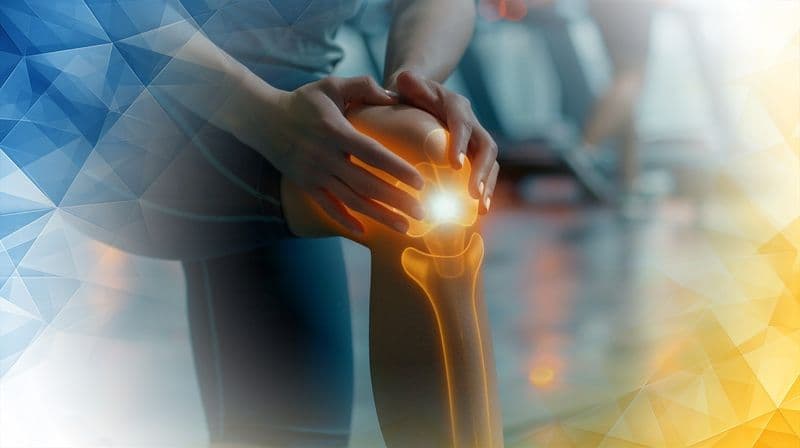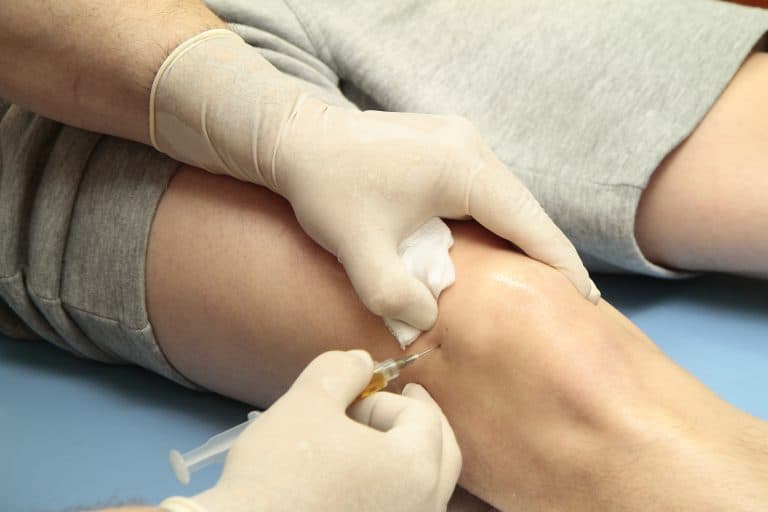


One frequently asked question at the London Cartilage Clinic is, "Can cartilage repair itself?" Understanding cartilage's natural healing capabilities is essential for effective treatment. While cartilage has limited self-repair abilities, advancements in medical science, including the regeneration principles laid out by Professor Paul Lee, have led to treatments that can significantly aid and enhance this process.
The Nature of Cartilage Healing
Cartilage is a unique tissue with no direct blood supply, making natural repair a slow and limited process. Injuries to cartilage, particularly in joints such as the knee, present significant healing challenges. However, adopting the right approach and treatment can substantially support and enhance cartilage healing.
Advanced Treatments to Support Cartilage Repair
The London Cartilage Clinic offers cutting-edge treatments that assist the body's natural cartilage repair processes. These include therapies such as Platelet-Rich Plasma (PRP) injections, Platelet-Rich Fibrin (PRF), microfragmented fat (mFat), exosome therapy, and stem cell therapy. All these treatments, grounded in the principles of regenerative medicine championed by Professor Paul Lee, show promise in improving cartilage health and function.
Tailoring Treatment to Individual Needs
Each case of cartilage damage is distinct, and so are our treatment plans. We meticulously assess the extent of damage, the patient's overall health, and their specific requirements to determine the most effective treatment approach. This personalised care ensures the best possible outcomes for our patients.
Frequently Asked Questions
- Various factors, including age, injury severity, and overall health, impact cartilage's natural repair capabilities. Younger individuals with minor injuries may experience better natural healing compared to older individuals or those with more severe injuries.
- Maintaining a healthy lifestyle, with regular exercise and a balanced diet, can support cartilage health. Seeking early treatment for joint injuries is also crucial in preventing further cartilage damage.
- Most cartilage repair treatments are minimally invasive, causing little to no discomfort. Our clinic prioritises patient comfort and safety in all procedures.
Legal & Medical Disclaimer
This article is written by an independent contributor and reflects their own views and experience, not necessarily those of London Cartilage Clinic. It is provided for general information and education only and does not constitute medical advice, diagnosis, or treatment.
Always seek personalised advice from a qualified healthcare professional before making decisions about your health. London Cartilage Clinic accepts no responsibility for errors, omissions, third-party content, or any loss, damage, or injury arising from reliance on this material.
If you believe this article contains inaccurate or infringing content, please contact us at [email protected].
London Cartilage Clinic
Modern treatments, designed for lasting knee outcomes
Every treatment plan is selected to help you return to the quality of life you deserve. Our team combines up-to-date techniques with consultant-led decision making across cartilage repair, regeneration and replacement.
What your journey can look like
Step 01
Consultant-Led Assessment
Symptoms, imaging and goals reviewed in one structured appointment.
Step 02
Personalised Treatment Plan
A clear route chosen from repair, regeneration or replacement options.
Step 03
Precision Delivery
Modern techniques and specialist equipment matched to your diagnosis.
Step 04
Long-Term Knee Health
Follow-up guidance focused on durable function and quality of life.
Will the Arthrosamid work for me
PAAG-8+ Questionnaire
A bright, structured entry point for patients exploring Arthrosamid. The questionnaire helps frame suitability, expectations, and 24-month clinical benefit discussion before a fuller consultant-led review.
Designed for shared decision-making. It does not replace specialist consultation, examination, imaging review, or formal medical advice.