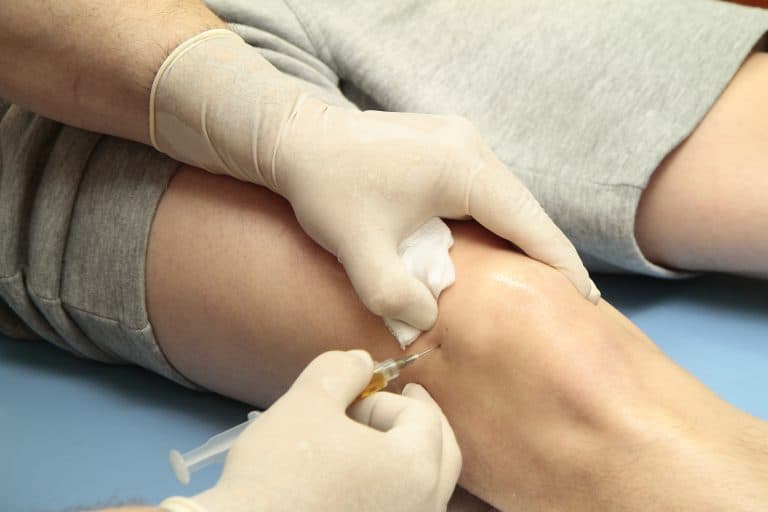



The knee is one of the most complex and important joints in the body, playing a crucial role in movement, balance, and daily life. At the center of its function is the meniscus—a C-shaped piece of cartilage that acts as a shock absorber and stabilizer. Spotting a torn meniscus early can help prevent further injury and ensure the best treatment. In this article, we’ll take a closer look at how your knee works, the subtle signs of a meniscal tear , and the latest scientific findings to help you understand when to take action and seek professional care.
Understanding the Meniscus and Its Role in Knee Function
Your knee relies on the meniscus to stay healthy and operate smoothly. Each knee contains two menisci—one on the inner (medial) side and one on the outer (lateral) side. These crescent-shaped pads help distribute weight evenly, absorb shocks from movement , and keep your knee stable.
During activities like walking, running, or twisting, the meniscus endures a variety of forces—compression, stretching, and rotation. Modern imaging studies have revealed how the meniscus changes shape and supports your knee through every movement. When the meniscus is damaged, this balance is disrupted, leading to pain, instability, and progressive wear of the joint. Understanding the meniscus’s role is the first step in recognizing when something might be wrong.
Spotting the Early Signs of a Meniscal Tear
A torn meniscus doesn’t always cause instant and intense pain. In fact, the symptoms often start off mild and can go unnoticed. Watch out for these common early signs:
- Pain along the inner or outer edge of your knee (joint line pain)
- Clicking, popping, or snapping sounds when you move
- Difficulty bending or squatting fully
- A sensation of your knee catching or locking, as if it’s stuck in place
Sometimes, people notice swelling or a feeling that the knee is unstable—like it might give way. These small hints can point to a meniscal tear , even if day-to-day activities seem mostly normal. People often wonder: can a meniscus heal on its own? For minor tears, rest and gentle care can provide relief. But recognizing symptoms early is the best way to prevent further harm. By paying attention to changes in how your knee feels and functions, you can spot possible issues before they become more serious.
What Science Tells Us About Meniscal Tears and Repair
Research has greatly deepened our understanding of meniscal injuries and how they heal. Meniscus tears can range from small, frayed edges to large, complex ruptures that make the knee feel wobbly or unstable.
Interestingly, some studies show that controlled movement and gentle use of the knee can promote healing by stimulating the meniscus tissue. In other cases, surgeons aim to repair the meniscus rather than remove damaged parts, so as much cartilage is preserved as possible for knee health.
Today, doctors take a tailored approach to treatment, considering the severity and location of the tear as well as each person’s activity level. Scientific insights have shown that recognizing specific symptoms and acting early can improve recovery and long-term outcomes.
How to Assess Your Knee and When to Get Professional Help
If you think you might have torn your meniscus , there are a few simple self-checks you can do:
- Do you feel tenderness along the inner or outer edge of your knee ?
- Does your knee hurt or swell when you twist or squat?
- Do you hear or feel clicking, popping, or catching as you move?
- Is it difficult to bend or straighten your leg completely?
- Does your knee feel unstable or likely to give way?
If you notice one or more of these signs, especially if symptoms don’t improve or start to interfere with your daily life, it’s time to consult a healthcare professional. Doctors may use physical tests and MRI scans to diagnose a meniscal tear . Getting help early can make a big difference in your recovery and help avoid long-term complications.
Natural Healing Versus Surgery: What Are Your Options?
A common question is whether a torn meniscus can heal without surgery. The answer depends on where the tear is located and how severe it is. Tears on the outer edge of the meniscus (the “red zone,” which has a better blood supply) are more likely to heal with rest, physiotherapy, and activity modification. In these cases, your doctor may recommend a non-surgical approach.
However, larger or more complex tears, especially those in poorly supplied areas, may require surgery to repair or remove damaged tissue and restore knee function. The choice between letting your meniscus heal naturally and opting for surgery depends on your symptoms, how active you are, and your doctor’s advice. Taking time to reflect on your goals, needs, and lifestyle can help guide your decision.
In Summary: Taking Care of Your Meniscus
Recognizing a torn meniscus starts with understanding your knee and paying attention to changes in how it feels or functions. Early signs like joint line pain, clicking sensations, or trouble moving your knee should not be ignored. With an informed approach, backed by science and expert care, you can make the best decisions for your knee health .
Remember, self-assessment is a great first step, but it doesn’t replace a professional medical evaluation. Thanks to advances in imaging and surgery, outcomes for meniscal injuries are better than ever—so getting a diagnosis and the right treatment is essential. Stay proactive and informed to keep your knees healthy and moving smoothly for years to come.
References
Spokane, A. R., & Richardson, T. (1992). Everything you need to know about career development you already know. Nacada Journal, 12(2), 42-48. https://doi.org/10.12930/0271-9517-12.2.42
Madsen, N. (n.d.). So you think you know dynamics? ASEE Conferences. https://doi.org/10.18260/1-2--9782
Georgescu, I. (2025). Do you know your AI? Physics World, 38(5), 48-48. https://doi.org/10.1088/2058-7058/38/05/32
Frequently Asked Questions
- Early signs include pain along the knee’s edges, occasional clicking or popping, difficulty bending, and sensations of catching or locking. Recognising symptoms early is essential. At London Cartilage Clinic, Professor Lee leverages his vast expertise to offer advanced diagnostics for patients experiencing these symptoms.
- Professional assessment ensures an accurate diagnosis and helps prevent worsening of the injury. London Cartilage Clinic, led by Professor Lee with extensive experience in cartilage repair, provides tailored care and access to the latest treatments, supporting optimal knee health and long-term wellbeing for patients.
- Not all meniscal tears require surgery; some minor tears may heal with rest, physiotherapy, and activity modification. However, assessment is important, and Professor Lee’s expertise at London Cartilage Clinic ensures patients receive personalised advice and treatment plans rooted in the latest scientific research and clinical best practices.
- The London Cartilage Clinic, guided by Professor Lee’s extensive clinical experience, specialises in cutting-edge diagnostics and therapies for meniscal injuries. Patients benefit from a personalised approach, advanced imaging, and techniques developed through years of dedicated cartilage research and care, helping them achieve the best possible outcomes.
- Professor Lee is renowned for his in-depth clinical knowledge and commitment to evidence-based care. At London Cartilage Clinic, he combines scientific insight with individualised treatment, ensuring patients access the latest advances in meniscal repair and rehabilitation for a smoother journey to recovery and joint health.
Legal & Medical Disclaimer
This article is written by an independent contributor and reflects their own views and experience, not necessarily those of London Cartilage Clinic. It is provided for general information and education only and does not constitute medical advice, diagnosis, or treatment.
Always seek personalised advice from a qualified healthcare professional before making decisions about your health. London Cartilage Clinic accepts no responsibility for errors, omissions, third-party content, or any loss, damage, or injury arising from reliance on this material.
If you believe this article contains inaccurate or infringing content, please contact us at [email protected].
London Cartilage Clinic
Modern treatments, designed for lasting knee outcomes
Every treatment plan is selected to help you return to the quality of life you deserve. Our team combines up-to-date techniques with consultant-led decision making across cartilage repair, regeneration and replacement.
What your journey can look like
Step 01
Consultant-Led Assessment
Symptoms, imaging and goals reviewed in one structured appointment.
Step 02
Personalised Treatment Plan
A clear route chosen from repair, regeneration or replacement options.
Step 03
Precision Delivery
Modern techniques and specialist equipment matched to your diagnosis.
Step 04
Long-Term Knee Health
Follow-up guidance focused on durable function and quality of life.
Will the Arthrosamid work for me
PAAG-8+ Questionnaire
A bright, structured entry point for patients exploring Arthrosamid. The questionnaire helps frame suitability, expectations, and 24-month clinical benefit discussion before a fuller consultant-led review.
Designed for shared decision-making. It does not replace specialist consultation, examination, imaging review, or formal medical advice.