
Knee injuries, especially to the anterior cruciate ligament (ACL), are all too common on the ski slopes. Even the best athletes, like Lindsey Vonn, have relied on knee braces as part of their recovery. Many skiers believe these braces can completely prevent re-injury or guarantee a safe comeback. But are these ideas true? This article takes a closer look at those beliefs and separates fact from fiction using expert insights and scientific research, so skiers can make better, more informed decisions.
Understanding ACL Injuries and Knee Bracing in Skiing
The ACL is a key ligament inside your knee that helps keep the joint stable, especially when you twist or bend your leg — movements very common when skiing. Unfortunately, because skiing involves quick turns, jumps, and sometimes unexpected falls, the ACL is quite vulnerable to injury.
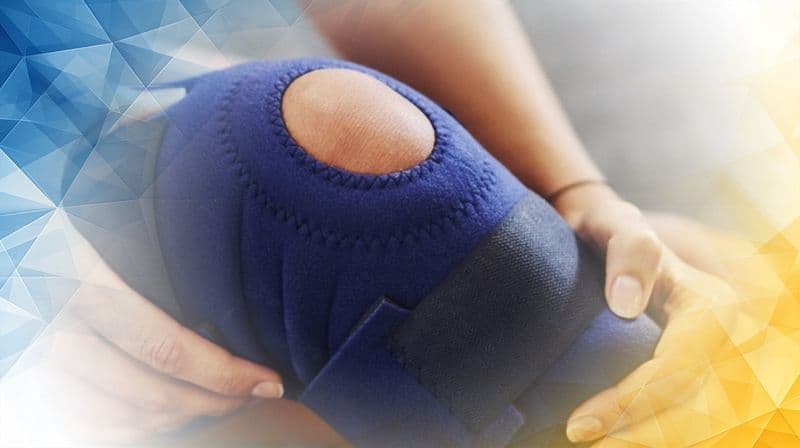
Knee braces come in many forms. Some are rigid and designed to limit harmful knee movements, while others are softer, providing support and boosting confidence by giving a feeling of stability. In fact, some modern braces are custom made using 3D printing technology to fit an individual perfectly.
Research shows that braces can influence how your knee moves, but their effectiveness varies depending on the type of brace and the activity. For instance, braces may help reduce harmful inward knee collapse during turns but are less effective at controlling twisting forces common in falls or sudden stops. Biomechanical studies suggest that “increased hip and knee flexion angles may reduce frontal plane loading with bracing which can protect the knee joint” (Blecha et al., 2021).
Busting the Top Myths About ACL Knee Braces
Myth 1: Knee braces completely prevent ACL injuries.
The truth is, no brace can offer full protection. While they may reduce some risky knee movements, skiing is dynamic and unpredictable — so injuries can still happen. Research has found that prophylactic knee braces aren’t consistently effective in fully preventing injuries (Blecha et al., 2021).
Myth 2: Braces stop all dangerous knee motions.
Braces can limit some movements but can’t block all potential injury-causing motions, especially twisting. Sometimes, rigid braces may even increase certain rotational movements, which isn’t ideal.
Myth 3: Wearing a knee brace guarantees a safe return to skiing.
Using a brace is helpful, but it’s not a magic solution. Look at Lindsey Vonn — her brace was just one part of a full recovery plan involving physiotherapy and medical supervision. There’s limited data proving braces alone reduce injury risk (Blecha et al., 2021).
Expert Professor Paul Lee highlights that braces provide valuable support and peace of mind but must be part of a wider recovery and prevention strategy. At the London Cartilage Clinic, patients benefit from personalised, multidisciplinary care, in which braces are just one element.
Free non-medical discussion
Not sure what to do next?
Information only · No medical advice or diagnosis.
What ACL Knee Braces Can—and Cannot—Do
Knee braces can provide focused stability, reducing sideways wobble that strains healing tissue. They also give skiers confidence — psychological support plays a big role in recovery by encouraging safer, controlled movements.
However, they are not foolproof. Braces can’t prevent all injuries, especially those caused by sudden twists or impacts. They can’t fully block dangerous rotational forces and aren’t a replacement for comprehensive rehab programmes that rebuild strength, balance, and proper technique.
It's also important to note that “the clinical efficacy of wearing prophylactic knee braces can affect athletic performance, influencing speed, power, and agility, particularly for those unaccustomed to using braces” (Blecha et al., 2021). Moreover, alternatives to braces do exist — useful for those who find braces uncomfortable or cumbersome. “Alternatives such as neoprene sleeves, compression stockings and kinesiotaping show promise for providing some stability and pain relief,” (Milner et al., 2021), though high-quality evidence for these remains limited.
Research confirms no single brace suits everyone. The key is personalised care, combining bracing with rehabilitation and training tailored to the individual.

Safe Skiing After ACL Injury: Evidence-Based Recommendations
If you’re returning to skiing after an ACL injury, take it slow and steady. Rehab should focus on regaining strength, balance and coordination before tackling tough slopes again.
Braces may be recommended in early skiing sessions to help stability and boost confidence, but they’re most effective when paired with ongoing physiotherapy and coaching.
Consult specialists like Professor Paul Lee, who can recommend the most suitable approach based on your injury and goals. At the London Cartilage Clinic, a team approach integrates surgical, therapeutic and biomechanical expertise to help you return safely.
Using visual aids—such as videos showing how the knee moves with and without a brace—can help you understand what’s happening and how to protect your knee better.
Conclusion and Disclaimer
Separating myth from fact about ACL knee braces helps skiers make wise choices in their recovery. Braces can support and reassure but are not a cure-all. Proper rehab and expert advice remain key to returning safely to skiing.
For individual medical advice, always consult a qualified healthcare professional.
References
- Blecha, K. M., Nuelle, C. W., Smith, P. A., Stannard, J. P., & Ma, R. (2021). Efficacy of prophylactic knee bracing in sports. The Journal of Knee Surgery, 35(03), 242-248. https://doi.org/10.1055/s-0041-1740930
- Milner, J., Hartnett, D., & DeFroda, S. F. (2021). Alternatives to knee braces. The Journal of Knee Surgery, 35(03), 266-272. https://doi.org/10.1055/s-0041-1736198
Frequently Asked Questions
- No knee brace can provide complete injury prevention while skiing. Although braces offer some protection against certain harmful knee movements, skiing remains unpredictable and dynamic. Expert care and rehabilitation are essential for reducing overall injury risk during recovery.
- Professor Paul Lee is a Cartilage Expert and Royal College of Surgeons Ambassador, offering advanced, evidence-based care. His multidisciplinary approach ensures patients at London Cartilage Clinic receive tailored treatment, combining surgical, therapeutic, and biomechanical expertise for the best possible recovery strategies.
- Knee braces alone are not sufficient for a safe skiing comeback. They can provide stability and confidence but should be combined with comprehensive rehabilitation and expert medical support, such as that offered at the London Cartilage Clinic, to ensure optimal recovery and safety.
- The London Cartilage Clinic provides patients with personalised, multidisciplinary care led by Professor Lee. Their approach integrates advanced bracing technology, physiotherapy, and surgical options. Patients benefit from holistic, up-to-date treatments informed by Professor Lee’s expertise and leading research in knee injury management.
- Not all patients experience identical benefits from ACL knee braces. Effectiveness varies by individual, injury type, and brace design. Personalised assessment, like that provided by London Cartilage Clinic, ensures the most appropriate solutions are recommended for each individual’s unique needs and sporting goals.
Legal & Medical Disclaimer
This article is written by an independent contributor and reflects their own views and experience, not necessarily those of London Cartilage Clinic. It is provided for general information and education only and does not constitute medical advice, diagnosis, or treatment.
Always seek personalised advice from a qualified healthcare professional before making decisions about your health. London Cartilage Clinic accepts no responsibility for errors, omissions, third-party content, or any loss, damage, or injury arising from reliance on this material.
If you believe this article contains inaccurate or infringing content, please contact us at [email protected].
London Cartilage Clinic
Modern treatments, designed for lasting knee outcomes
Every treatment plan is selected to help you return to the quality of life you deserve. Our team combines up-to-date techniques with consultant-led decision making across cartilage repair, regeneration and replacement.
What your journey can look like
Step 01
Consultant-Led Assessment
Symptoms, imaging and goals reviewed in one structured appointment.
Step 02
Personalised Treatment Plan
A clear route chosen from repair, regeneration or replacement options.
Step 03
Precision Delivery
Modern techniques and specialist equipment matched to your diagnosis.
Step 04
Long-Term Knee Health
Follow-up guidance focused on durable function and quality of life.
Will the Arthrosamid work for me
PAAG-8+ Questionnaire
A bright, structured entry point for patients exploring Arthrosamid. The questionnaire helps frame suitability, expectations, and 24-month clinical benefit discussion before a fuller consultant-led review.
Designed for shared decision-making. It does not replace specialist consultation, examination, imaging review, or formal medical advice.