

Knee
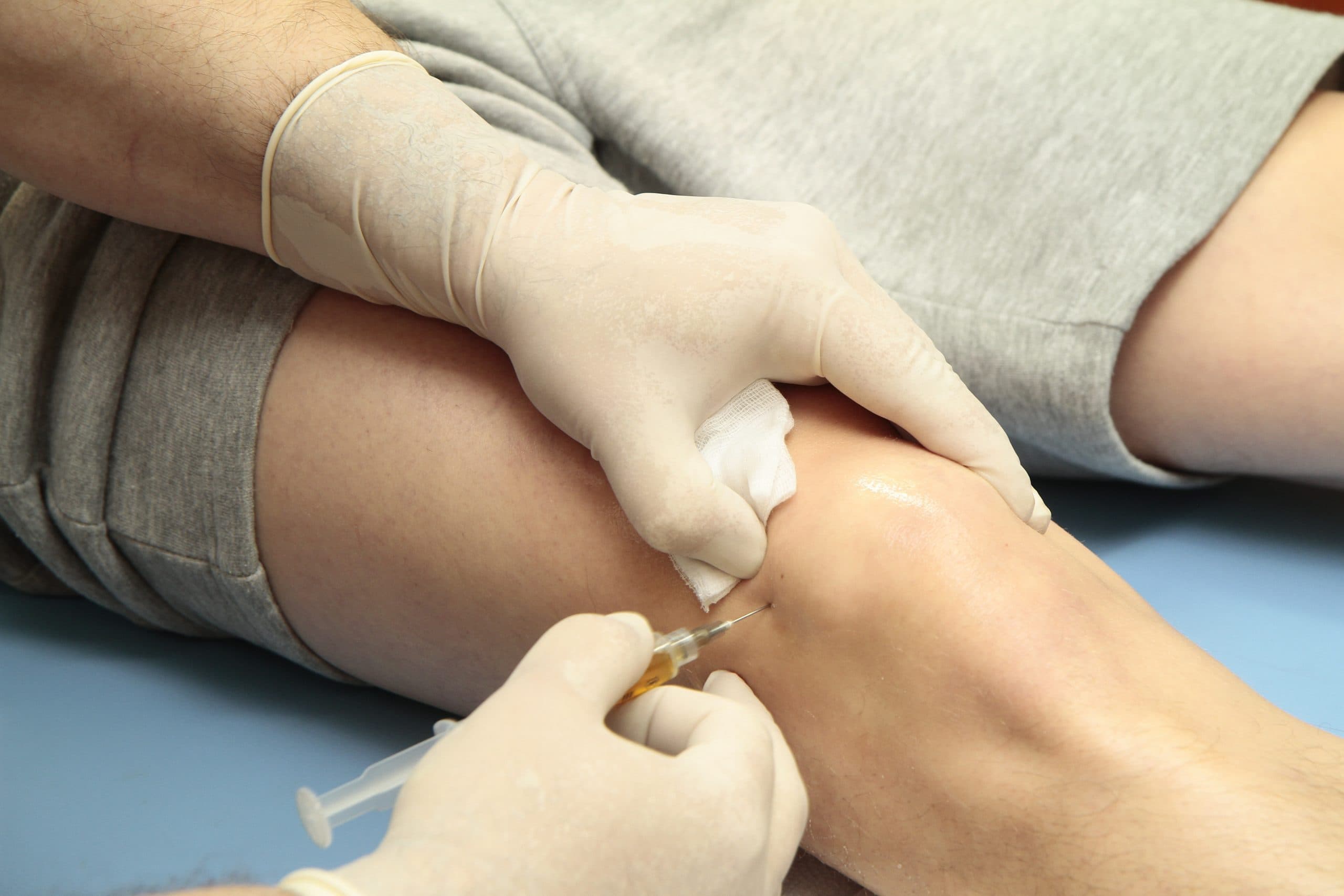
Stem cell therapy has proven to be a very effective way of treating symptoms of degenerative conditions in the knee. If you’re looking for the best possible option regardless of the cost, stem cell injections could be right for you.
Learn MoreComprehensive care for cartilage, meniscus and ACL injury, offering advanced injections, regenerative techniques and specialist surgical expertise.
Providing advanced biological and surgical solutions for complex joint conditions.
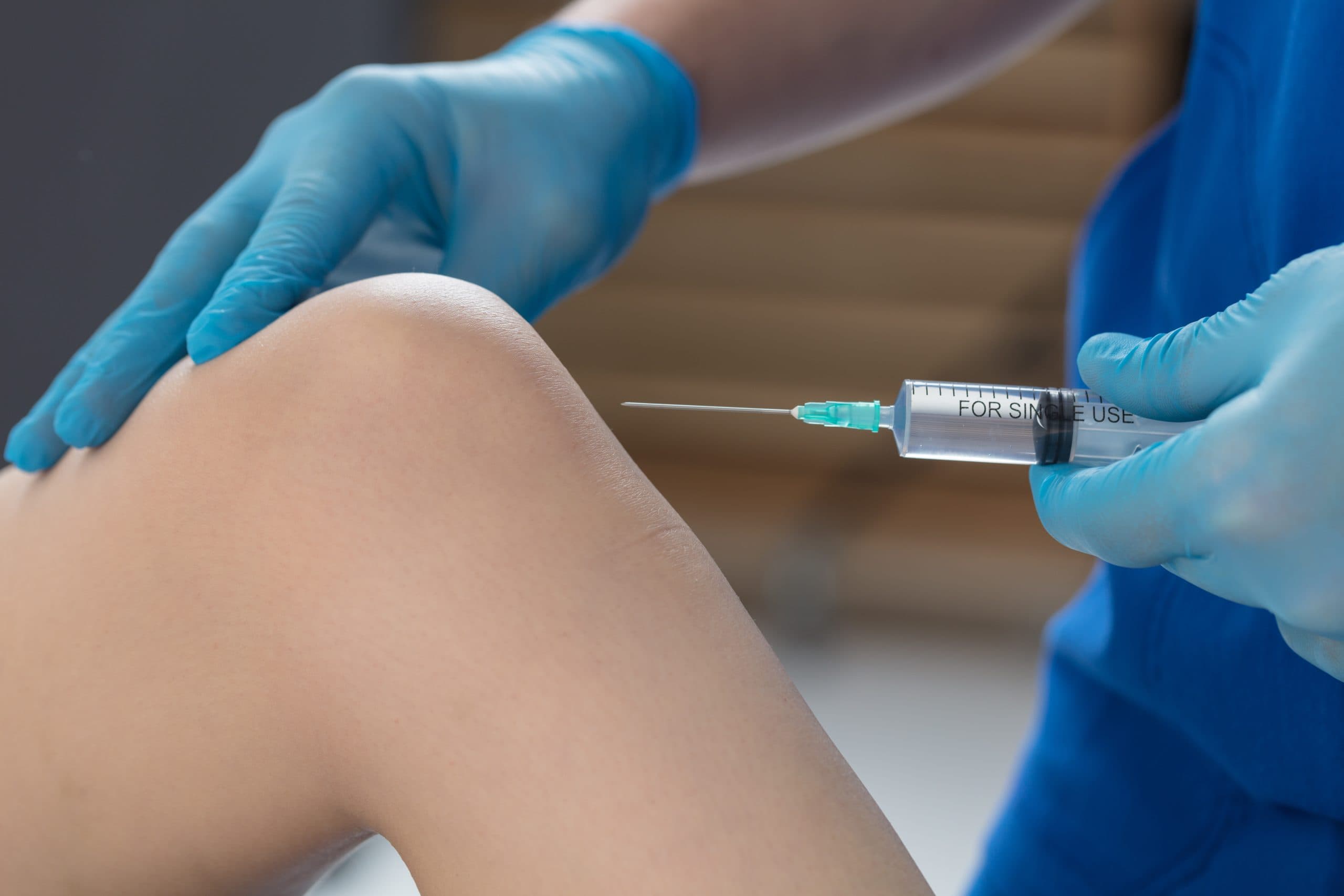
Surgical & Non-surgical options

Surgical & Non-surgical options
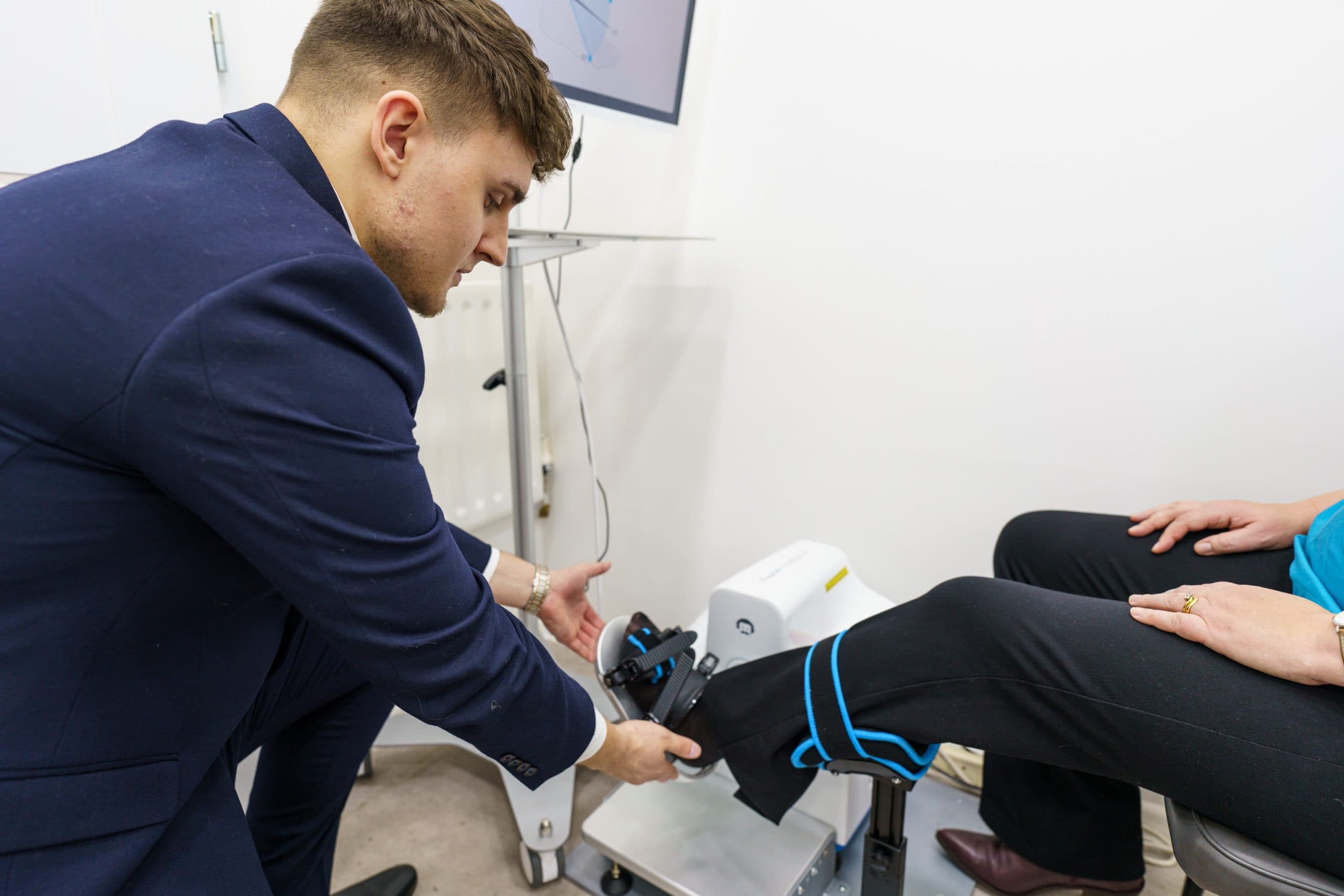
Surgical Repair & Reconstruction
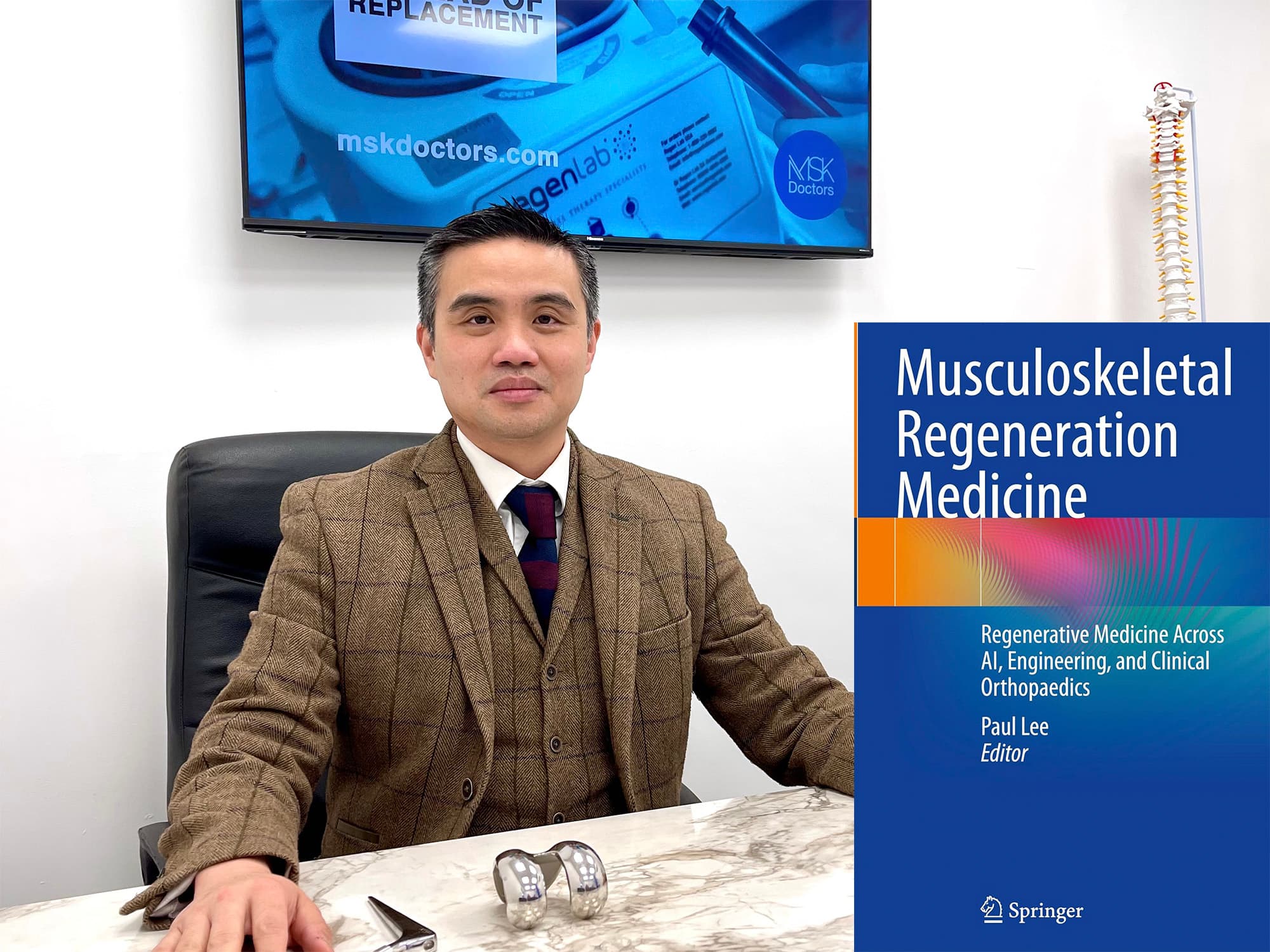
Based in London’s prestigious Harley Street medical district, London Cartilage Clinic is a dedicated centre for the assessment and treatment of cartilage damage.
Led by Professor Paul Lee, our clinic specialises in cartilage and joint preservation, offering advanced, evidence-based solutions for patients seeking reliable alternatives to conventional healthcare pathways — without lengthy waiting times.
Our approach is informed by Musculoskeletal Regeneration Medicine, an interdisciplinary clinical framework combining orthopaedics, engineering, and regenerative science, and is tailored to both sports-related cartilage injuries and degenerative joint conditions.
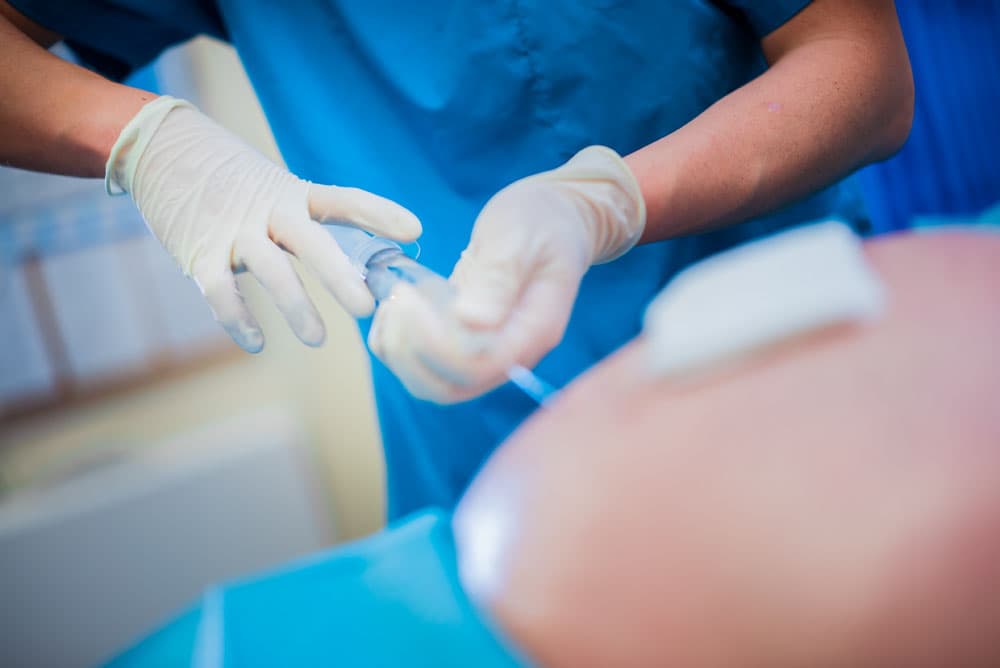
London Cartilage Clinic is currently the only centre in the UK offering Chondrofiller®, an advanced treatment designed for focal cartilage defects in the knee. It provides a joint-preserving option for suitable patients.
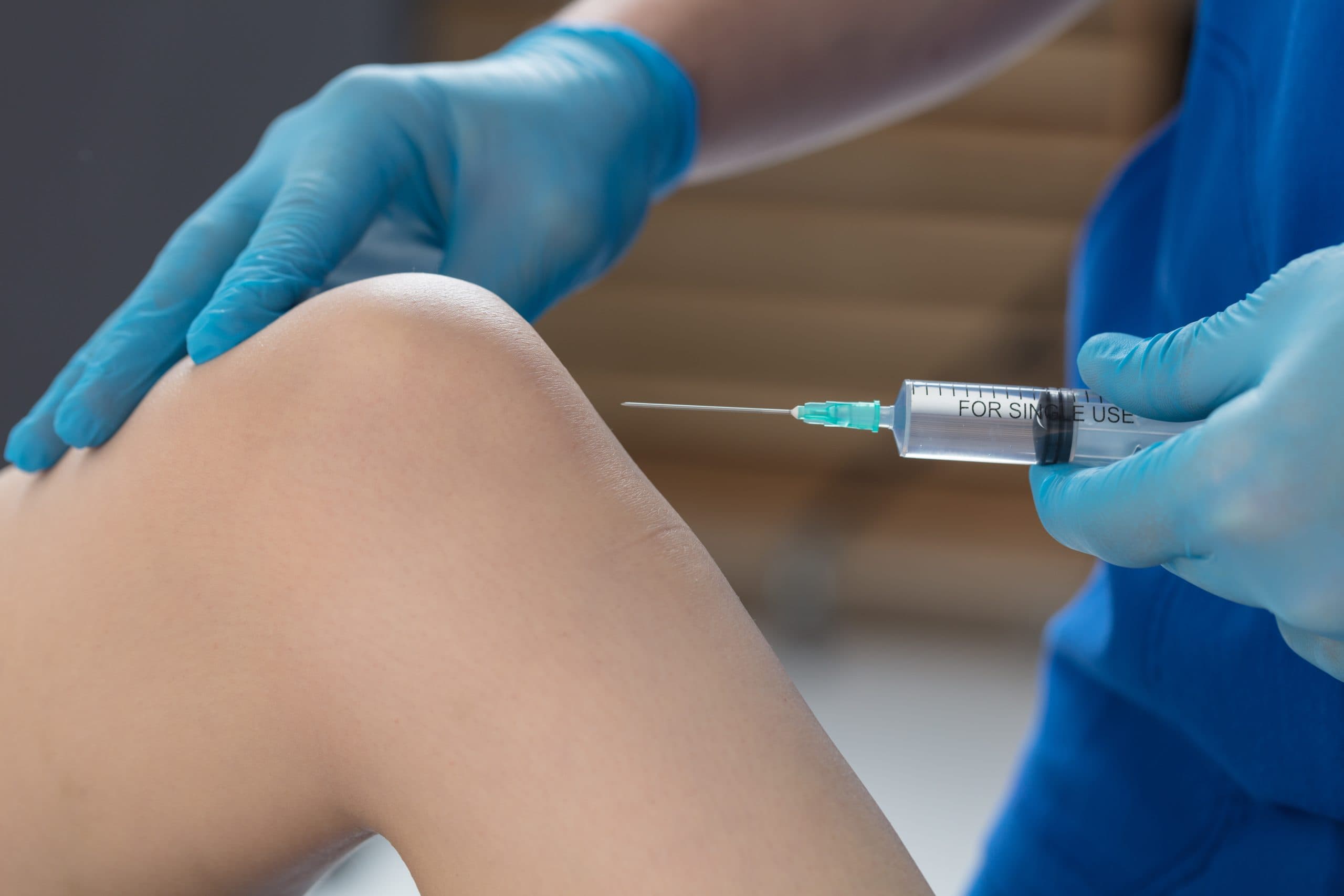
As the first clinic in the UK to introduce Arthrosamid®, we bring extensive experience in providing this non-surgical option for knee osteoarthritis, focused on symptom relief and joint preservation.
Learn More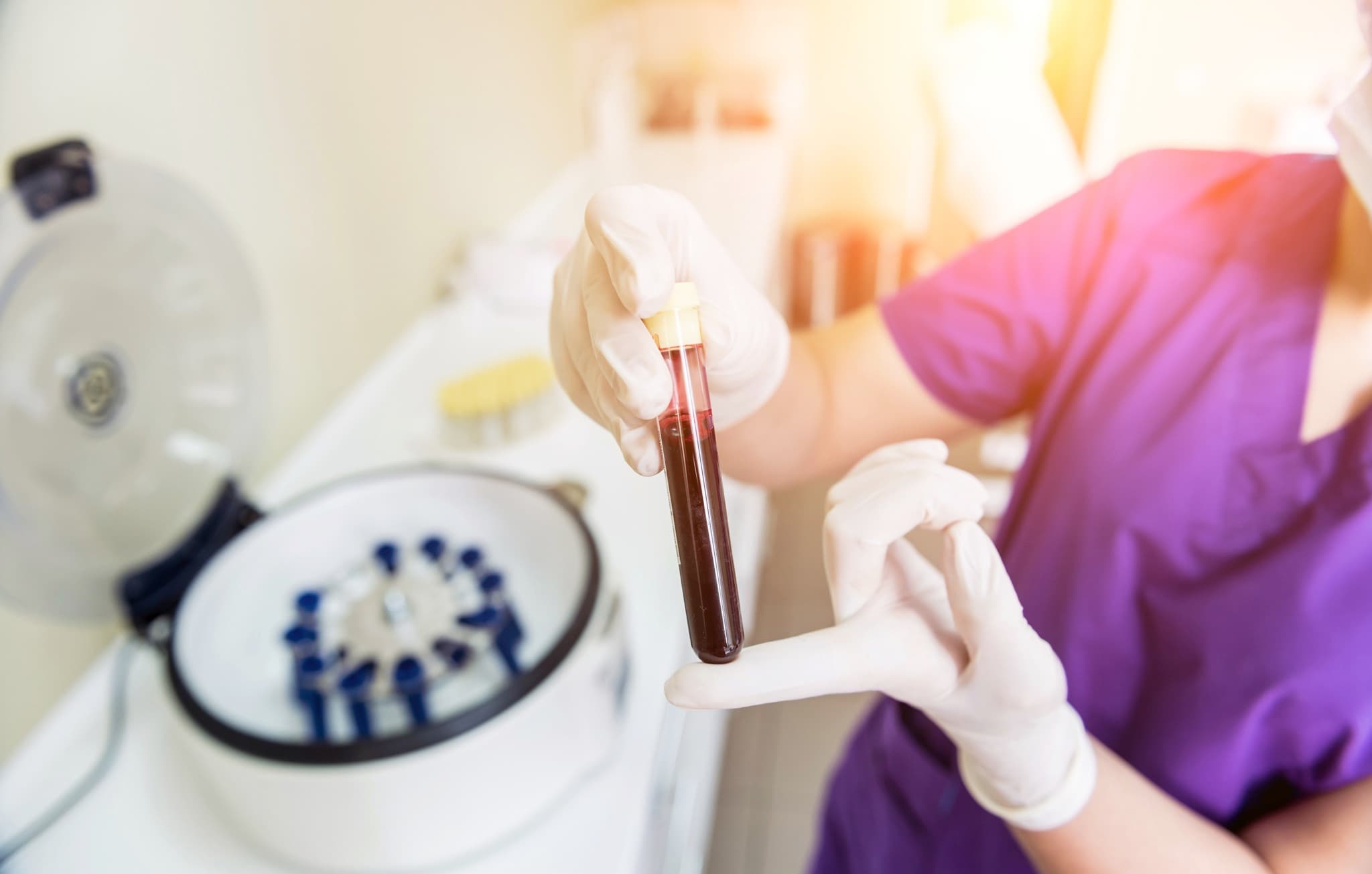
Platelet-rich plasma injections are particularly beneficial to those who have suffered a sport or activity related injury. The treatment contains the body’s own platelets which can promote repair.
Learn MoreYou don’t have to wait to see one of our specialists. We prioritise efficient patient pathways.
We provide an exclusive and dedicated service that ensures you receive the best possible treatment for your needs.
Multiple different treatment options both surgical and non-surgical to cover all the potential needs of our patients.
Our team are at the very top of their field, having travelled the world to learn the most advanced techniques.
Stem cell therapy has proven to be a very effective way of treating symptoms of degenerative conditions in the knee. If you’re looking for the best possible option regardless of the cost, stem cell injections could be right for you.
Learn More
We specialise in utilising Mesenchymal Stem Cells (MSCs) for the regeneration and repair of cartilage. Offering an effective, non-invasive alternative to traditional surgical methods by harnessing the body's innate ability to repair tissue.
Learn More
Offering state-of-the-art shoulder therapy utilising MSCs. Our innovative approach targets the natural regeneration of shoulder joint tissues, aiming to restore mobility and reduce pain without invasive surgeries.
Learn More
Our pioneering hip therapy provides non-surgical solutions using MSC regenerative capabilities. This treatment aims to enhance joint function and alleviate pain in patients experiencing chronic hip issues.
Learn MoreStem cell therapy has proven to be a very effective way of treating symptoms of degenerative conditions in the knee. If you’re looking for the best possible option regardless of the cost, stem cell injections could be right for you.
Learn MoreWe specialise in utilising Mesenchymal Stem Cells (MSCs) for the regeneration and repair of cartilage. Offering an effective, non-invasive alternative to traditional surgical methods by harnessing the body's innate ability to repair tissue.
Learn MoreOffering state-of-the-art shoulder therapy utilising MSCs. Our innovative approach targets the natural regeneration of shoulder joint tissues, aiming to restore mobility and reduce pain without invasive surgeries.
Learn MoreOur pioneering hip therapy provides non-surgical solutions using MSC regenerative capabilities. This treatment aims to enhance joint function and alleviate pain in patients experiencing chronic hip issues.
Learn MoreLooking for a specialist opinion?
Consult with our team to discuss the best treatment path for your condition.
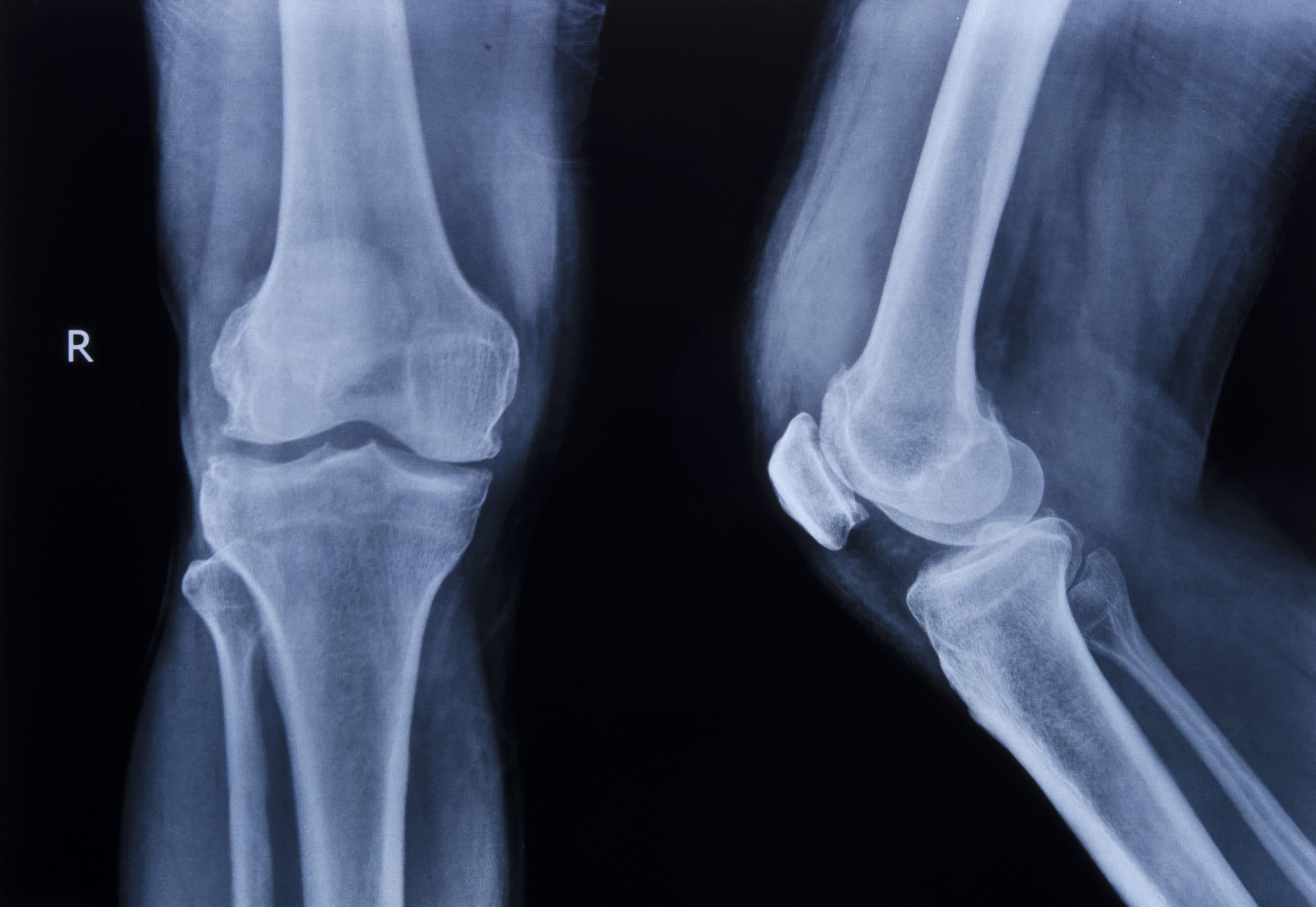
Cartilage is an important part of your joints and bones and when damaged, it can lead to significant discomfort. Our surgical cartilage services include repair, regeneration, and replacement depending on which one is right for your needs.
Learn More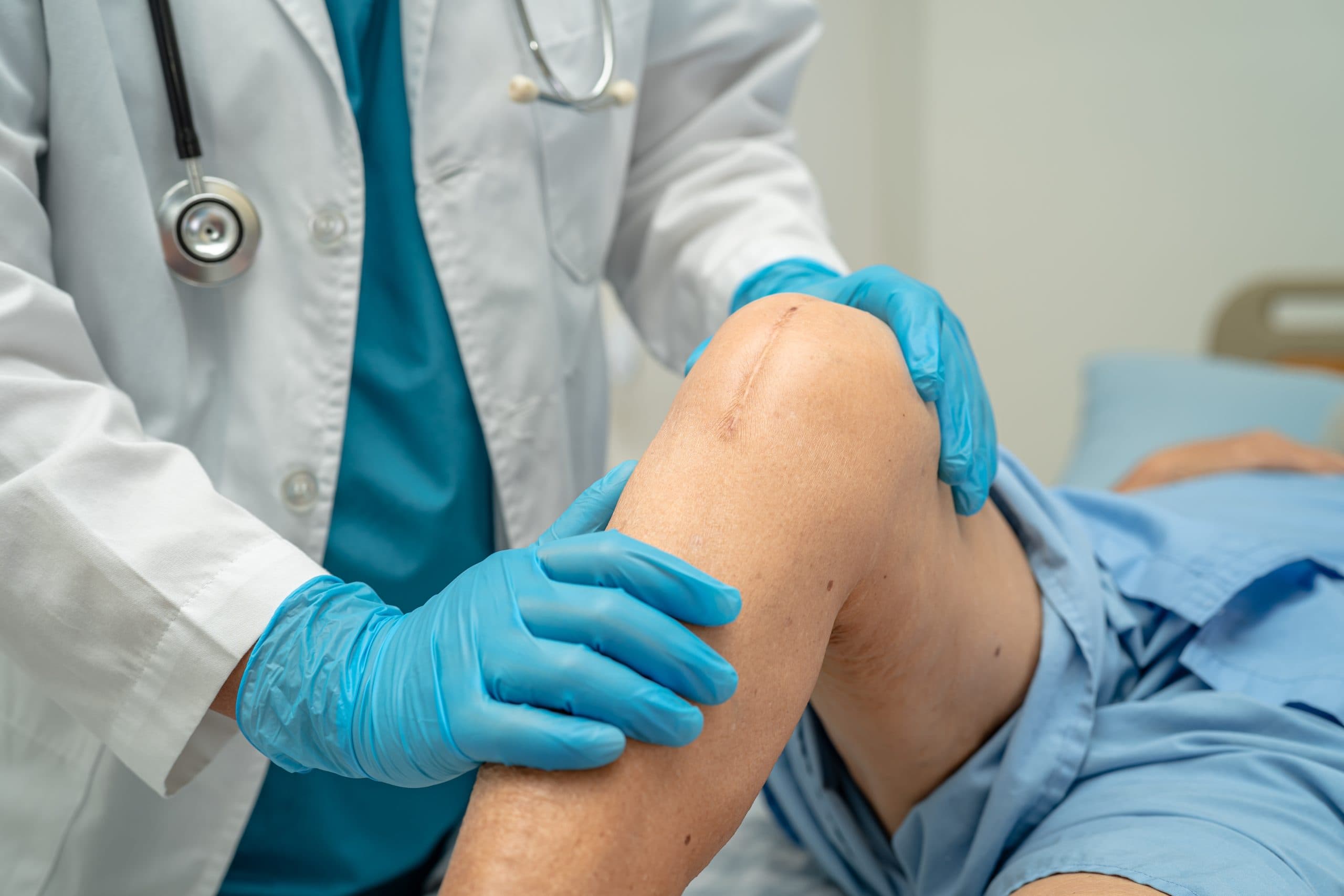
The meniscus is a type of cartilage located in your knee joint between your shin and thigh bone. Our surgical meniscus services include repair, partial repair, regeneration, and replacement depending on which one is right for your needs.
Learn More"I had ACL surgery a few months ago and was really worried about the recovery process. A friend of mine recommended professor lee and I am so glad I followed her advice! The surgery was successful, and I recovered much faster than I expected..."
Private patient
at MSK Doctors
"Thank you, Professor, for reviewing all of my notes and going over the scans with me. I have consulted with five private orthopaedic specialists, but none of them picked up on my knee plica issue. I am very grateful for your time and expertise..."
Private patient
at MSK Doctors
"I cannot believe the incredible improvement in my knee pain since I had a meniscus repair with the biological scaffolding. Professor Lee has been amazing throughout the entire process, and I am so grateful for his expertise. Thank you!"
Private patient
at MSK Doctors
"Needed my meniscus repaired. My doctor recommended Professor Lee’s meniscus repair with cells. I am so glad I did! The treatment has been very effective in reducing my pain and improving my mobility. I would highly recommend."
Private patient
at MSK Doctors
"I should mention that I have been astounded by the results of Lipogems treatment on my knee this year. I have suffered from injuries and wear and tear (as most horse riders can attest to), and constant pain is now a thing of the past."
Private patient
at MSK Doctors
London Cartilage Clinic
Clinical updates, cartilage treatment guidance, and recovery-focused articles from our specialist team.

Discover how nutrition supports knee cartilage health, as explained by Professor Paul Lee of the London Cartilage Clinic. Learn which foods—like fatty fish, turmeric, and vitamin C-rich fruits—can strengthen cartilage and reduce inflammation. Avoid processed sugars and trans fats that harm joints. Practical meal tips help incorporate these nutrients into daily life. While diet aids joint comfort and resilience, it works best combined with exercise and medical advice. Embrace balanced eating and expert guidance for healthier, more comfortable knees.

ChondroFiller is a minimally invasive, keyhole surgery technique that repairs cartilage damage by injecting a collagen gel directly into the affected area. Suitable for patients with small to medium cartilage lesions, it promotes natural cartilage regeneration with less pain and faster recovery compared to traditional surgeries. The procedure involves arthroscopic guidance for precise gel placement, minimizing tissue damage and complications. Clinical studies report high patient satisfaction, improved joint function, and lasting benefits. Recovery typically includes tailored rehabilitation with reduced pain and a quicker return to activity. ChondroFiller offers a safe, effective alternative for cartilage repair, emphasizing simplicity and rapid healing. Consultation with healthcare professionals is essential to determine candidacy and ensure optimal outcomes.

Explore the critical connection between Segond fractures and anterior cruciate ligament (ACL) tears, common yet often intertwined knee injuries especially among athletes. This article highlights how the Segond fracture—a small tibial bone break—serves as a key indicator of ACL damage. Advances in MRI and CT imaging aid in early and accurate diagnosis, leading to more comprehensive treatment strategies that address both bone and ligament injuries. Understanding this relationship improves patient outcomes, enhancing knee stability and function. Future research aims to refine detection and develop minimally invasive surgical techniques, helping patients recover faster and return to active lifestyles confidently.