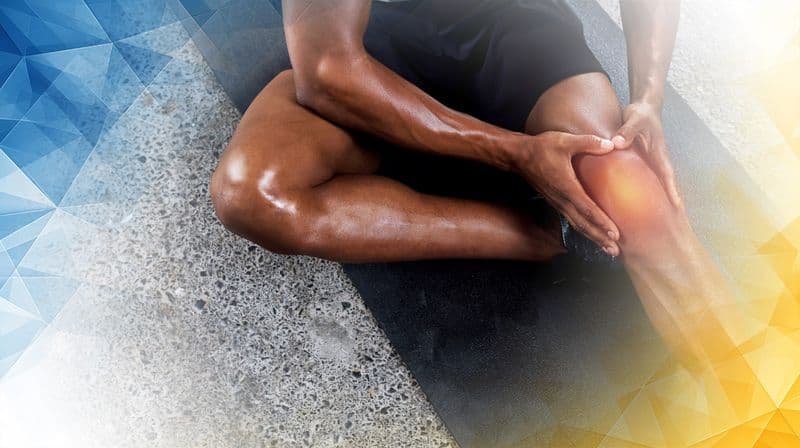
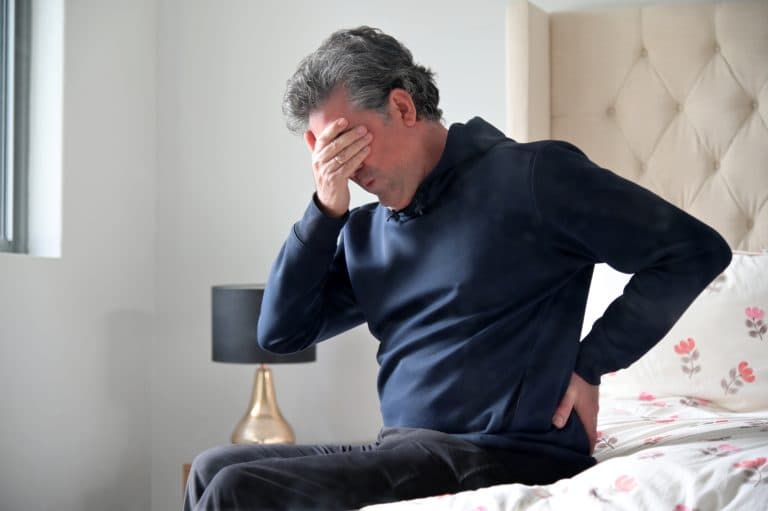

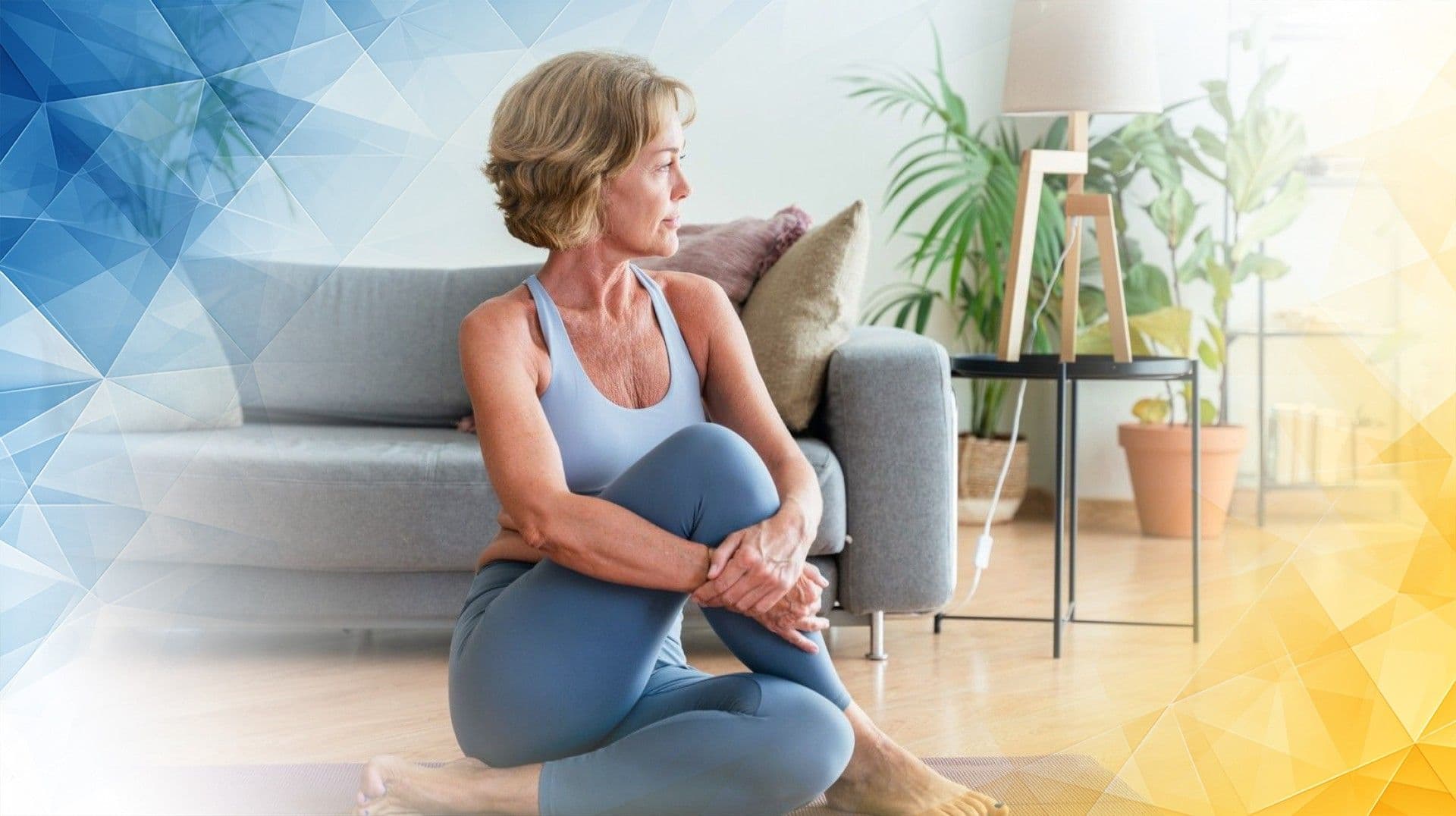
Lower back and hip pain are common complaints that can disrupt daily life and reduce your overall well-being. Much of this discomfort stems from modern habits like prolonged sitting, poor posture , or repetitive motions. Thankfully, yoga offers a gentle, non-invasive solution to ease pain and restore mobility. Supported by scientific evidence, yoga combines stretching, strengthening, and mindful breathing to help you feel better, move more freely, and improve your quality of life. In this article, we'll explore the causes of lower back and hip pain, explain how yoga can help, and share simple yoga exercises you can start practicing today.
Understanding Lower Back and Hip Pain
The lower back and hips are at the heart of your body’s movement, giving you both stability and flexibility. The lower back —home to your lumbar spine—relies on muscles, ligaments, and intervertebral discs for support. Your hips, as ball-and-socket joints, connect your pelvis to your legs and enable actions like walking, bending, and twisting.
Pain in these areas is often due to weakened muscles from too much sitting, injuries, repetitive strain, or slouching. Lower back pain may show up as stiffness, aching, or sharp twinges. Hip pain is sometimes felt in the groin, outer thigh, or buttocks, and may even travel down the leg.
Though lower back and hip pain originate from different spots, these areas are closely linked: restricted hip movement can strain the lower back, and vice versa. If not addressed, these aches can make everyday activities—like walking, driving, or sitting—uncomfortable. That's why supporting their health is so important.
How Yoga Helps: The Science Behind the Practice
Research shows that yoga is an effective way to reduce lower back and hip pain while improving movement and strength. Yoga activates and strengthens your core—the deep muscles surrounding your spine and pelvis—providing vital support and stability to your lower back and hips.
Besides movement, yoga also encourages mindful breathing and relaxation, which help minimize stress, a common factor that tightens muscles and intensifies pain. Many studies have found that regular yoga practitioners report less pain, greater flexibility, reduced use of pain medications, and an improved sense of well-being.
Yoga stands out because it treats you as a whole person. Instead of just focusing on tight muscles, yoga blends gentle motion, breath control, and stress management to nurture both the body and mind—a holistic approach that promotes lasting relief and resilience.
One study found that after just 14 days of yoga , participants experienced less pain and improved muscle strength and quality of life. Another clinical study showed that people with chronic low back pain who practiced yoga had significantly lower stress, anxiety, and depression scores compared to those who did other forms of exercise (Singphow et al., 2022).
Yoga Poses for Lower Back and Hip Relief
Certain yoga poses are particularly helpful for loosening tight muscles and building strength to support your lower back and hips:
- Cat-Cow Pose (Marjaryasana-Bitilasana): Moving slowly between arching and rounding your back increases spinal flexibility and eases tension.
- Bridge Pose (Setu Bandhasana): Lifting your hips in this pose activates and strengthens your glutes, which are key to supporting your back and hips.
If you're new to yoga , even a short routine—just five minutes a day—focused on gentle stretching can make a difference. Always listen to your body and avoid any movements that cause pain, especially if you have conditions like sciatica (pain radiating down your leg due to nerve irritation).
Start slowly, gradually building up your practice, and consider working with a certified yoga instructor who can help you adapt poses for your needs.
Staying Safe and Making Yoga Part of Your Life
Before starting any new exercise routine—especially if you have ongoing or severe pain —check with your healthcare provider to rule out any serious issues. A trained yoga teacher can help you modify poses for safety and maximum benefit.
Yoga is most effective when paired with other healthy habits, such as maintaining good posture and managing daily stress. Avoid exercises or stretches that might aggravate pain, like heavy lifting or extreme twisting. Focus on beginner-friendly routines, and pay special attention to proper form and steady, mindful breathing.
In Summary
Yoga is a gentle yet powerful approach to easing lower back and hip pain . With the right poses, careful breathing, and consistency, you can build strength, improve flexibility, and reduce discomfort. By listening to your body and seeking professional guidance when needed, yoga can become a valuable part of your path to a healthier back and hips.
References
Jogdand, R. P., Sunuwar, S. M., Singh, A., & Nagrathna, R. (2021). Integrated Approach of Yoga Therapy towards Chronic Low Back Pain: A Case Report. Integrative Medicine Case Reports, 2(1), 15. https://doi.org/10.38205/imcr.020115
Singphow, C., Purohit, S. P., Tekur, P., Bista, S., Panigrahy, S. N., Nagarathna, R., & Nagendra, H. R. (2022). Effect of yoga on stress, anxiety, depression, and spinal mobility in computer users with chronic low back pain. International Journal of Yoga, 15(2), 114-121. https://doi.org/10.4103/ijoy.ijoy_9_22
Legal & Medical Disclaimer
This article is written by an independent contributor and reflects their own views and experience, not necessarily those of London Cartilage Clinic. It is provided for general information and education only and does not constitute medical advice, diagnosis, or treatment.
Always seek personalised advice from a qualified healthcare professional before making decisions about your health. London Cartilage Clinic accepts no responsibility for errors, omissions, third-party content, or any loss, damage, or injury arising from reliance on this material.
If you believe this article contains inaccurate or infringing content, please contact us at [email protected].
London Cartilage Clinic
Modern treatments, designed for lasting knee outcomes
Every treatment plan is selected to help you return to the quality of life you deserve. Our team combines up-to-date techniques with consultant-led decision making across cartilage repair, regeneration and replacement.
What your journey can look like
Step 01
Consultant-Led Assessment
Symptoms, imaging and goals reviewed in one structured appointment.
Step 02
Personalised Treatment Plan
A clear route chosen from repair, regeneration or replacement options.
Step 03
Precision Delivery
Modern techniques and specialist equipment matched to your diagnosis.
Step 04
Long-Term Knee Health
Follow-up guidance focused on durable function and quality of life.
Will the Arthrosamid work for me
PAAG-8+ Questionnaire
A bright, structured entry point for patients exploring Arthrosamid. The questionnaire helps frame suitability, expectations, and 24-month clinical benefit discussion before a fuller consultant-led review.
Designed for shared decision-making. It does not replace specialist consultation, examination, imaging review, or formal medical advice.